
2021 Trailers For Sale in Nebraska
Browse 2021 trailers for sale in Nebraska, including dry vans, reefers, hoppers, and specialty trailers with buyer-focused spec insights.
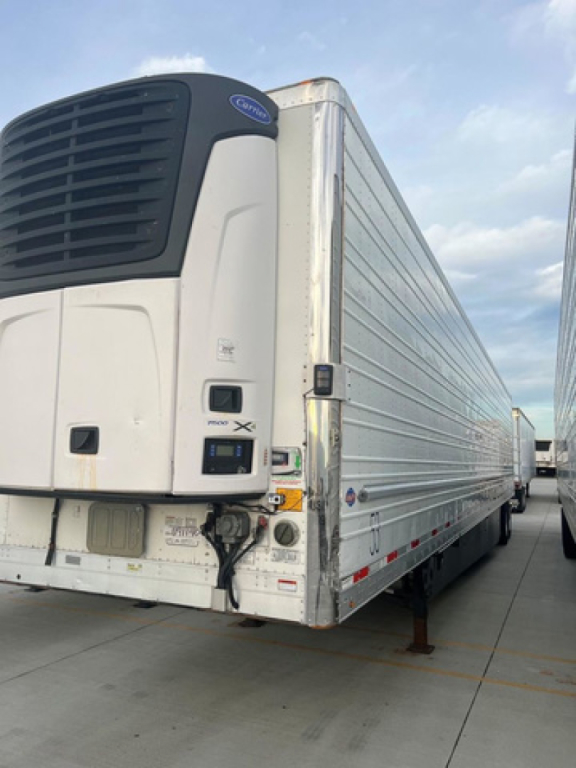
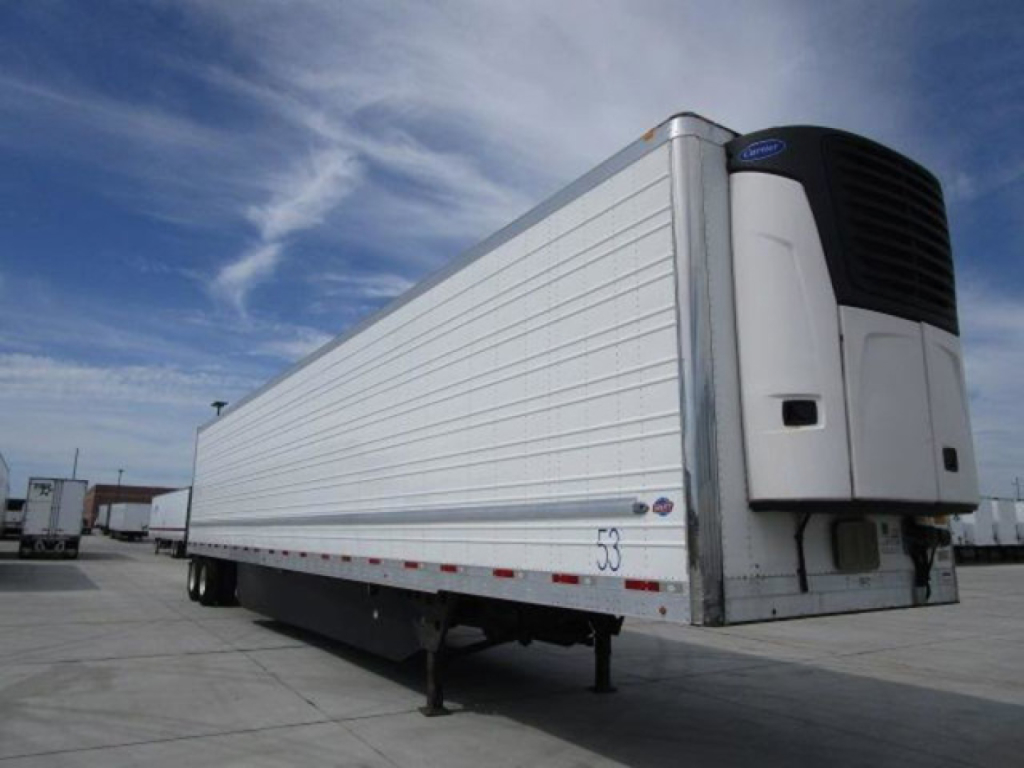

Have 2021 trailer to sell? List it here to reach thousands of buyers.
2021 Trailers in Nebraska
For dry van trailers, common 2021 specs include 53-foot length, 102-inch width, air ride suspension, sliding tandems, and logistics-ready interiors with scuff liners, plywood lining, E-track, tie-down rows, threshold plates, and wood floors. Aerodynamic packages such as side skirts are common on fleet-spec highway vans and can help on fuel-sensitive routes. Rear door style also affects use case. Swing doors are simple and durable for dock freight, while roll-up doors can be useful in multi-stop delivery but may reduce rear opening height and add maintenance points. Floor wear, wall damage, roof condition, door frame corrosion, and tandem slider operation are all worth checking closely on a used 2021 van trailer.
For refrigerated trailers, also known as reefer trailers or refrigerated vans, the trailer body matters just as much as the refrigeration unit. Buyers should look at unit hours, engine service history, fuel tank condition, duct or chute setup, door seal integrity, and floor design. Aluminum duct floors, stainless front protection, tire inflation systems, and air ride suspensions are all common features in this class. In Nebraska, reefer buyers often need equipment that can handle both highway miles and frequent temp-controlled loading cycles, so insulation performance, interior washout condition, and bulkhead compatibility can matter more than cosmetic appearance. If the trailer is intended for grocery, produce, meat, or pharma-adjacent work, confirm the interior dimensions, inside height, and temperature recovery performance before making a final decision.
Nebraska buyers also see strong demand for grain hoppers and other agricultural trailers, where lightweight construction, hopper door design, tarp systems, and ladder and catwalk layout all affect day-to-day use. Aluminum hopper bottoms in this age range often attract attention for payload advantage and corrosion resistance, especially in seasonal grain hauling. Across all 2021 trailers, it pays to verify axle alignment, brake condition, suspension wear, tire date codes, wheel-end service history, and any signs of prior structural repair. A good 2021 trailer should match the freight, the region, and the trailer pool standards you already run, because the right spec will usually save more in downtime and operating cost than it adds on the purchase side.
Frequently Asked Questions about 2021 Trailers in Nebraska
What are the most common types of 2021 trailers for sale in Nebraska?
The most common 2021 trailer categories in Nebraska are dry van trailers, refrigerated trailers, and hopper bottom grain trailers. Dry vans are typically used for general freight and retail distribution. Reefer trailers are used for temperature-controlled freight such as food and perishables. Hopper trailers are common in agricultural regions for grain, feed, and commodity hauling. The right category depends on the cargo, route density, loading method, and whether the trailer will stay in regional service or run over-the-road.
Is a 2021 trailer a good age for a used trailer purchase?
Yes, a 2021 trailer is often considered a strong value point because it is still relatively late-model but usually priced below near-new equipment. Many 2021 trailers have modern fleet specs such as air ride suspension, sliding tandems, disc or aluminum wheels, side skirts, logistics posts, and tire inflation systems. The main factor is not just age, but maintenance history, body condition, floor wear, brake life, tire condition, and whether the trailer was used in high-cycle local service or steadier highway applications.
What should I inspect first on a 2021 dry van or reefer trailer?
Start with the structural and operating basics. Check the floor for rot, delamination, patches, or forklift damage. Inspect the roof, front wall, side panels, rear frame, and crossmembers for repairs or corrosion. Make sure the tandem slider moves correctly and that suspension components are not excessively worn. On a reefer, add a close inspection of the refrigeration unit hours, service records, fuel system, door seals, evaporator area, and floor condition. A clean-looking trailer can still hide expensive issues in the floor, suspension, or cooling system.
Which trailer specs matter most for Nebraska freight and operating conditions?
In Nebraska, trailer specs should match both highway use and local industry demand. For dry vans and reefers, 53-foot length, 102-inch width, air ride suspension, and sliding tandems are standard for broad freight compatibility. Side skirts can help on linehaul routes, and logistics features such as E-track, scuff liners, and tie-down systems improve versatility. For ag trailers, lightweight aluminum construction, reliable tarp systems, easy-operating hopper doors, and safe ladder and catwalk access are key. Weather exposure, wind, and seasonal use also make brake condition, tire quality, and corrosion resistance especially important.
Are swing doors or roll-up doors better on a 2021 van trailer?
It depends on the freight and stop pattern. Swing doors are common on over-the-road van and reefer trailers because they provide a full rear opening, strong sealing, and simple hardware. Roll-up doors can be useful for frequent stop-and-go delivery because they open quickly and do not swing into dock or alley space. The tradeoff is that roll-up systems add moving parts and can reduce usable rear opening height. Buyers should choose based on dock setup, cargo dimensions, and how often the trailer is loaded and unloaded each day.