
2021 Trailers For Sale in Illinois
Shop 2021 trailers for sale in Illinois, including dry vans and specialty trailers, with details on specs, suspension, doors, floors, and applications.
Selling a 2021 trailer? List your 2021 trailer for sale and reach thousands of commercial buyers.
2021 Trailers in Illinois
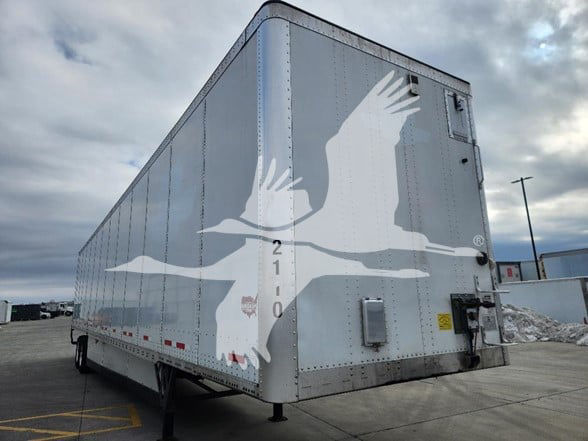
For van trailers, also known as dry vans or enclosed freight trailers, the most common 2021 specs include plate or sheet-and-post construction, wood floors, scuff liners or scuff plate protection, logistics posts or E-track, and either swing doors or roll-up doors. A 53-foot dry van remains the standard for general freight, retail freight, distribution, and contract hauling. Swing doors usually provide a better full-opening rear access and are common in dock work, while roll-up doors can help in tight urban deliveries where rear door swing clearance is limited. Front and rear vents, translucent roofs, galvanized rear frames, stainless steel door hardware, and tire inflation systems are all features worth comparing because they affect durability, cargo protection, and operating uptime.
The 2021 model year is recent enough that many trailers in this class may still reflect modern fleet preferences such as disc wheels, air ride, sliding tandems, and logistics-ready interiors. In Illinois, sliding tandem placement matters for bridge law compliance, axle spread management, and maneuvering in terminal yards, especially if the trailer will run regional freight through Chicago, Joliet, Peoria, or interstate lanes connecting the Midwest. Buyers should inspect kingpin area condition, crossmembers, roof bows, side panels, rear frame integrity, and floor wear around high-traffic forklift zones. If the trailer has composite lining, plywood lining, threshold plates, or a wood floor with visible patching, those details can tell you a lot about prior cargo type and loading intensity.
If the search includes specialty trailer categories from the same year, it helps to separate general freight needs from niche applications. Curtainside units, flatbeds with tarp systems, and other specialized trailers can fit shippers that need side access or weather protection without committing to a full van body. The right 2021 trailer depends on freight profile more than age alone. Dry freight carriers may prioritize inside cube, door configuration, and floor life, while building products, machinery, or open-deck users may focus on decking material, tarp system design, and axle setup. A careful spec review will usually matter more than brand name by itself, especially when the trailer is expected to stay productive in Midwest freight cycles and mixed regional duty.
Frequently Asked Questions about 2021 Trailers in Illinois
What should I look for first when buying a 2021 trailer in Illinois?
Start with the trailer type and core dimensions, then move to condition. For dry vans, the first checks are length, width, inside height, door style, suspension, tandem configuration, and floor condition. In Illinois service, buyers should also evaluate how the trailer will handle bridge law requirements, dock use, and heavy distribution freight. After the spec review, inspect structural areas such as the kingpin plate, crossmembers, rear frame, roof, and sidewalls for signs of impact damage, corrosion, or repeated forklift wear.
Are 2021 dry van trailers a good fit for general freight?
Yes. A 2021 dry van is recent enough to match many current shipper and fleet requirements, and it is commonly used for palletized freight, retail loads, packaged goods, and distribution work. Many units from this model year are equipped with logistics posts or E-track, air ride suspension, sliding tandems, and standard 53-foot dimensions, which makes them versatile for both regional and over-the-road freight. The best fit depends on cargo weight, loading frequency, and whether the operation needs swing doors or roll-up doors.
Which features matter most on a 2021 van trailer?
Floor condition, rear door configuration, suspension, and interior cargo-control setup usually matter most. A solid wood floor with minimal patching is important if the trailer sees frequent forklift traffic. Swing doors are preferred for maximum rear access at docks, while roll-up doors can help in space-restricted delivery environments. Air ride suspension protects freight better than spring ride in many applications, and features such as scuff liners, threshold plates, vents, tire inflation systems, and galvanized rear components can reduce damage and maintenance over time.
Why is a sliding tandem important on a 2021 trailer?
A sliding tandem gives the operator flexibility in axle weight distribution, bridge compliance, and turning radius. That matters in Illinois and surrounding Midwest lanes where legal weight placement and terminal maneuvering can affect dispatch efficiency. A properly functioning slider also helps adapt the trailer to different load positions and customer site requirements. Buyers should verify that the slider mechanism, rails, pins, and suspension components are in good working order because repair costs can add up quickly if those parts are worn or seized.
Can a 2021 trailer still be a smart buy compared with a newer model?
Yes, if the trailer has the right specification and has been maintained correctly. The 2021 model year is new enough to include many modern features, but used pricing may be more favorable than late-model or new equipment. For many buyers, the real decision is not simply age but total cost of ownership. A well-maintained 2021 trailer with strong floors, sound structure, good tires, and the right cargo-handling features can be a better operational fit than a newer trailer with the wrong spec.