
2020 Trailers For Sale in Texas
Browse 2020 trailers for sale in Texas, including van, reefer, flatbed, dump, and specialty trailer types with specs that matter to buyers.
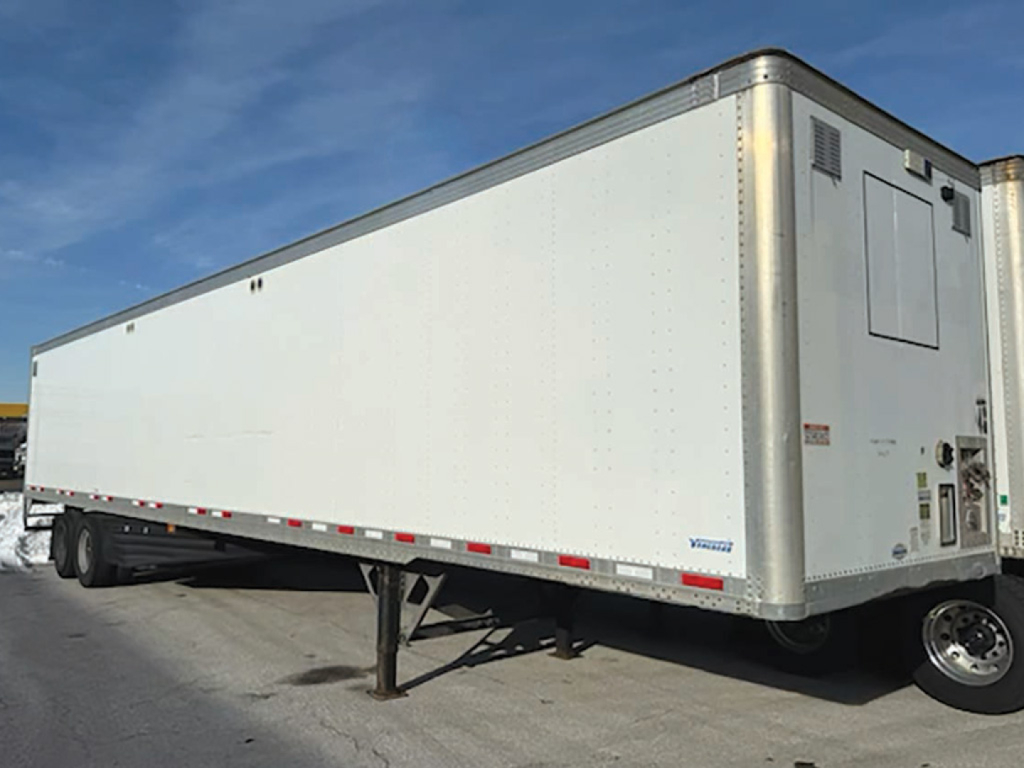
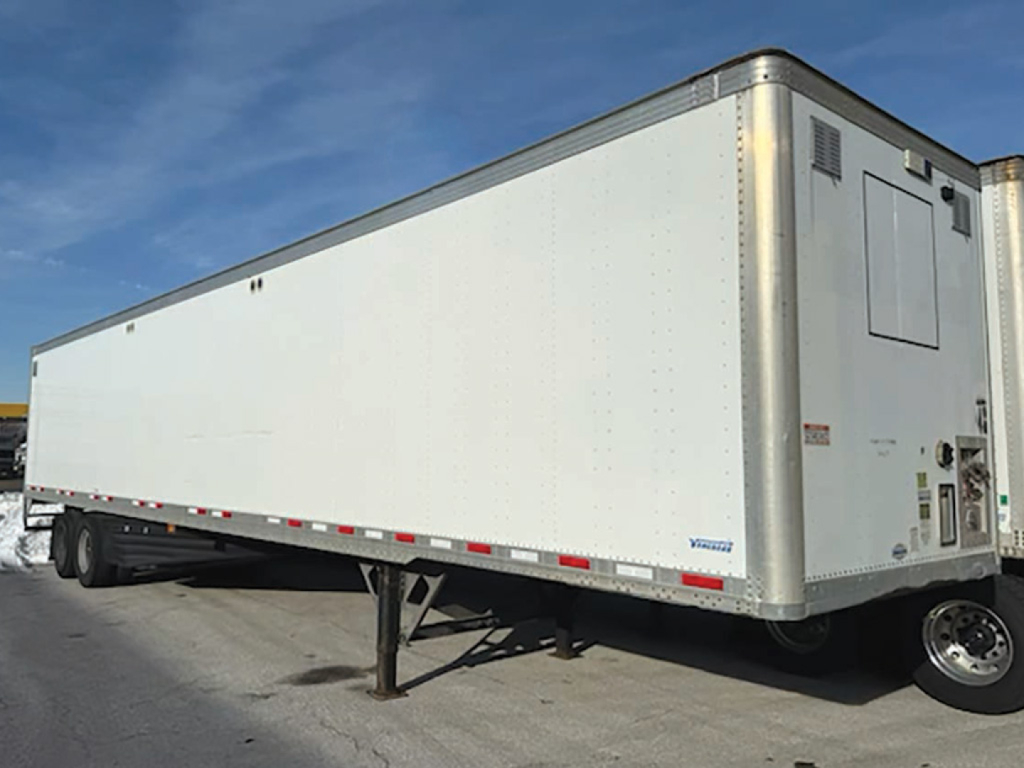
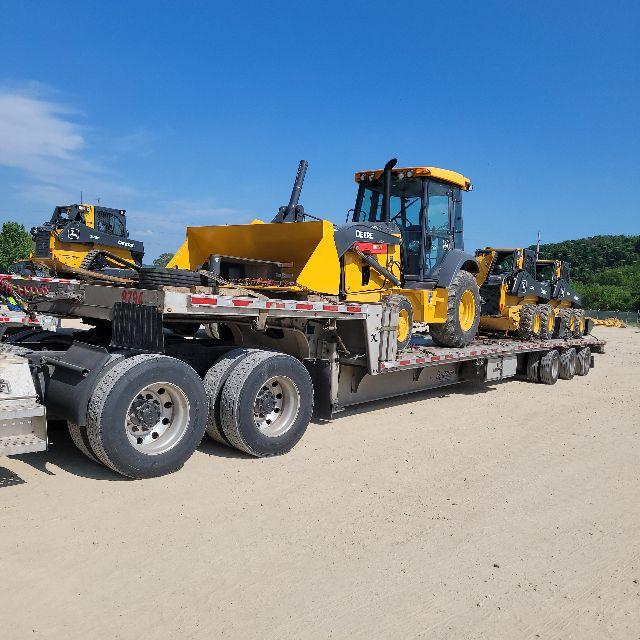

Have 2020 trailer to sell? List it here to reach thousands of buyers.
2020 Trailers in Texas
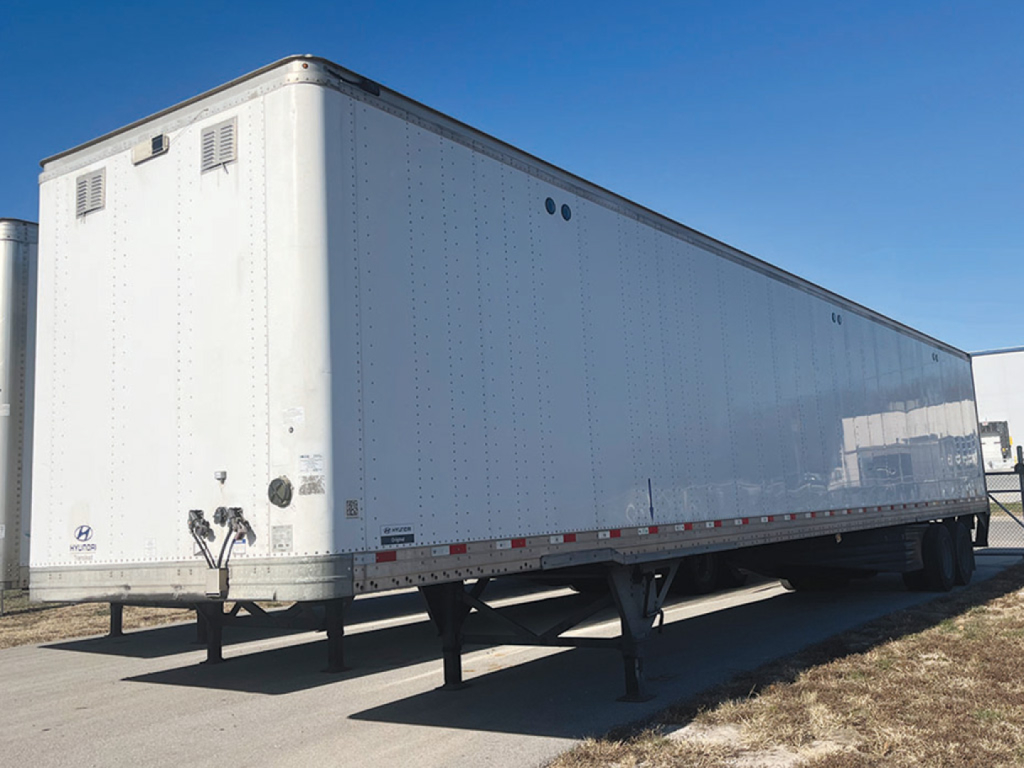
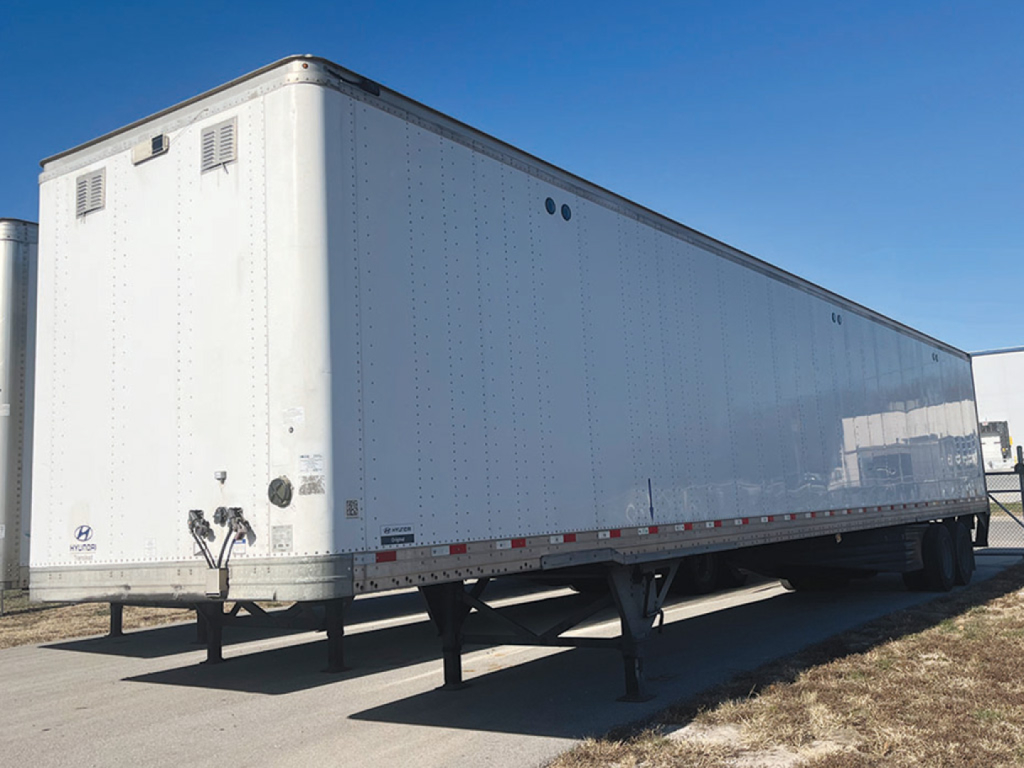
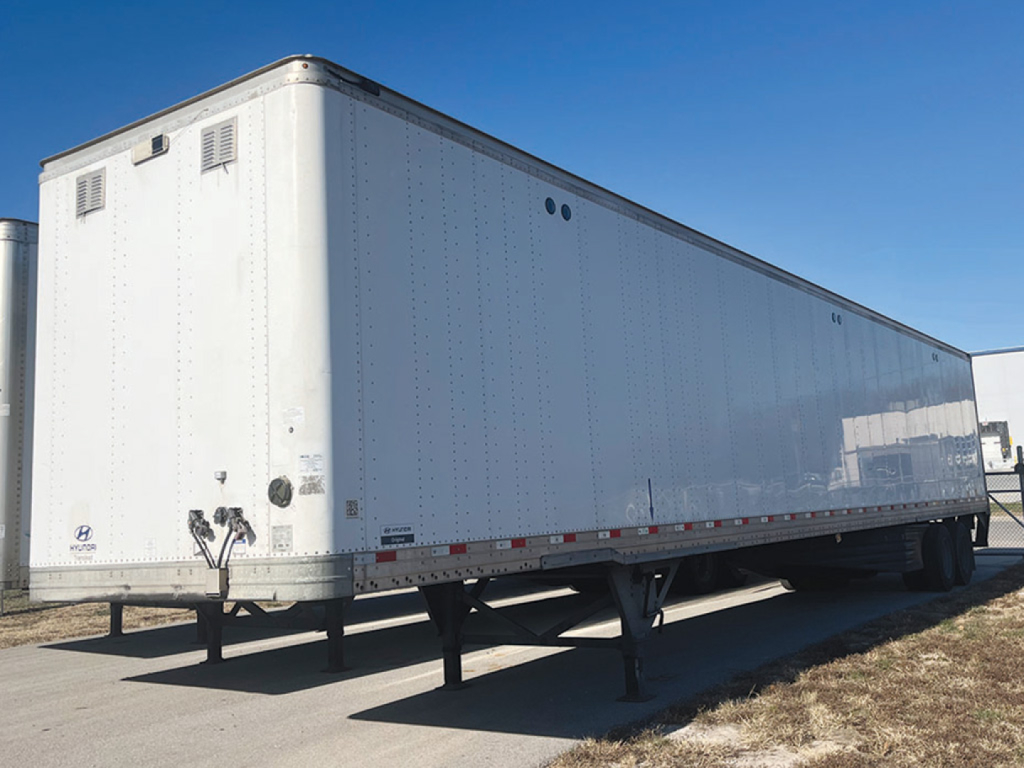
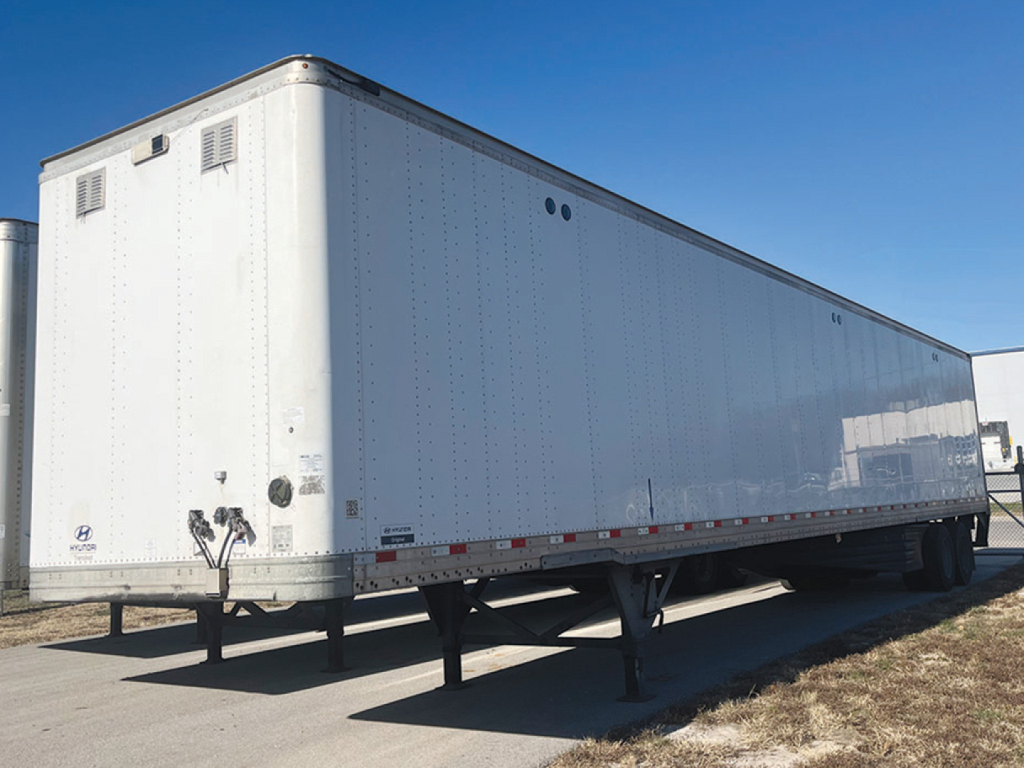
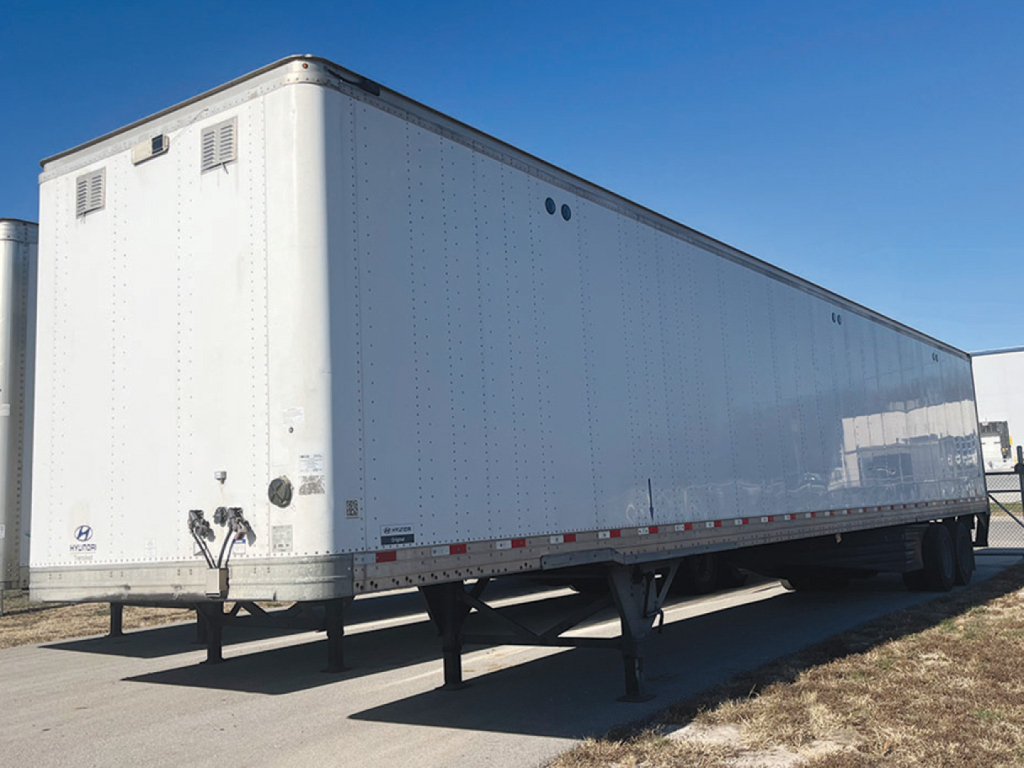
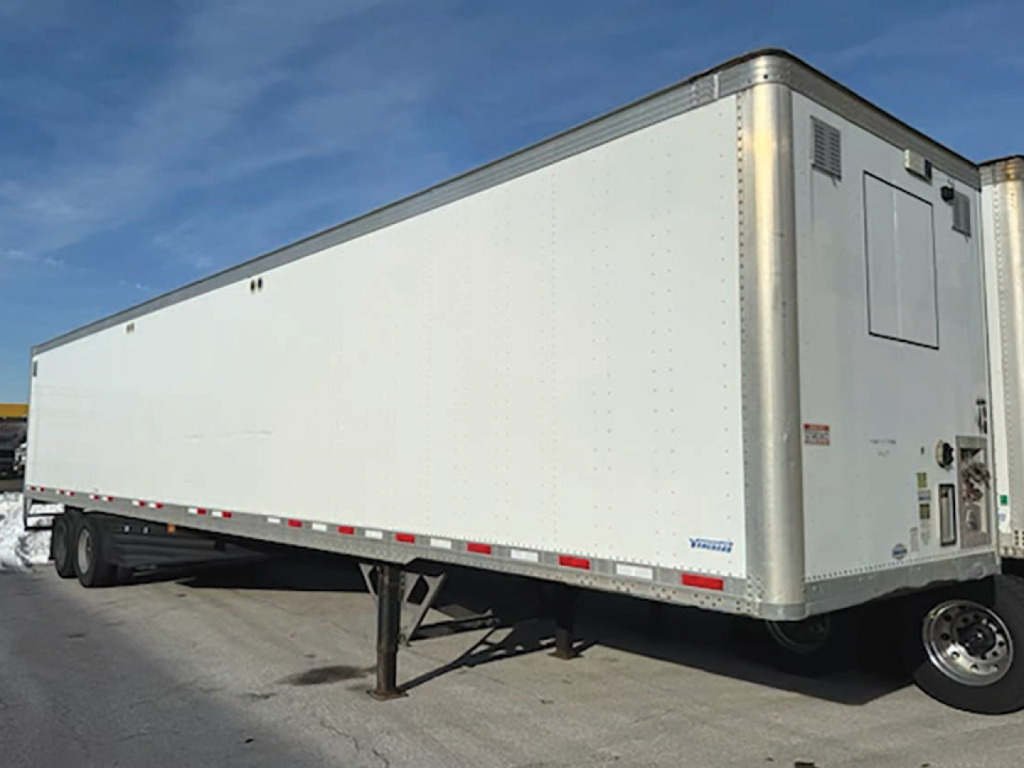
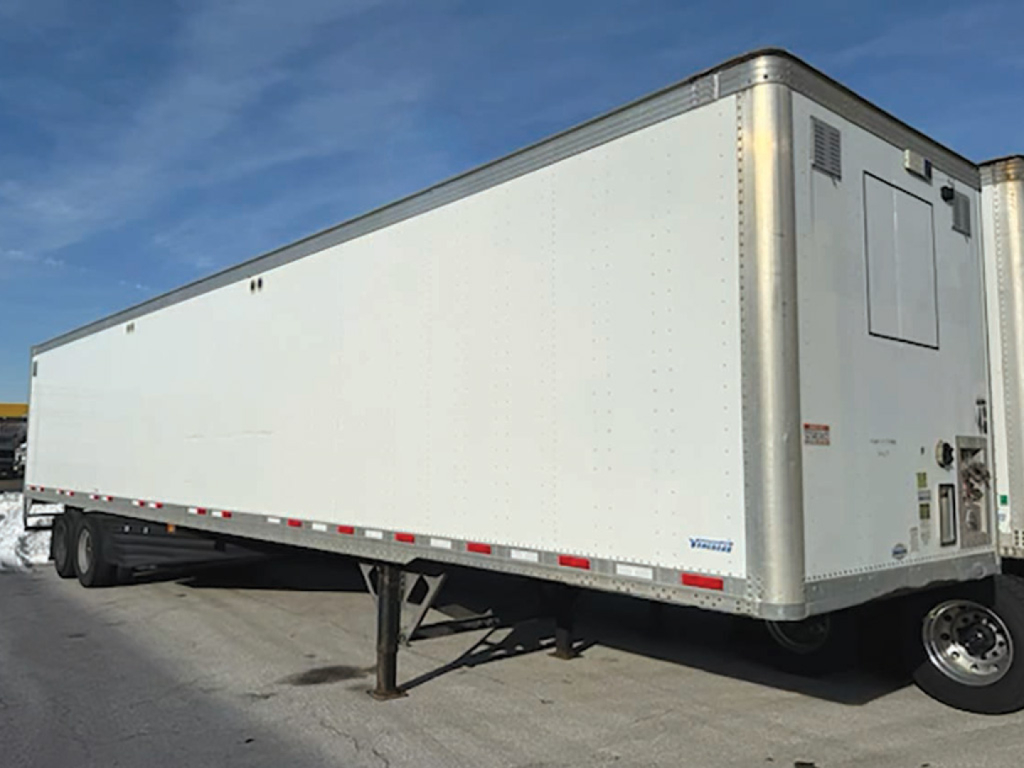
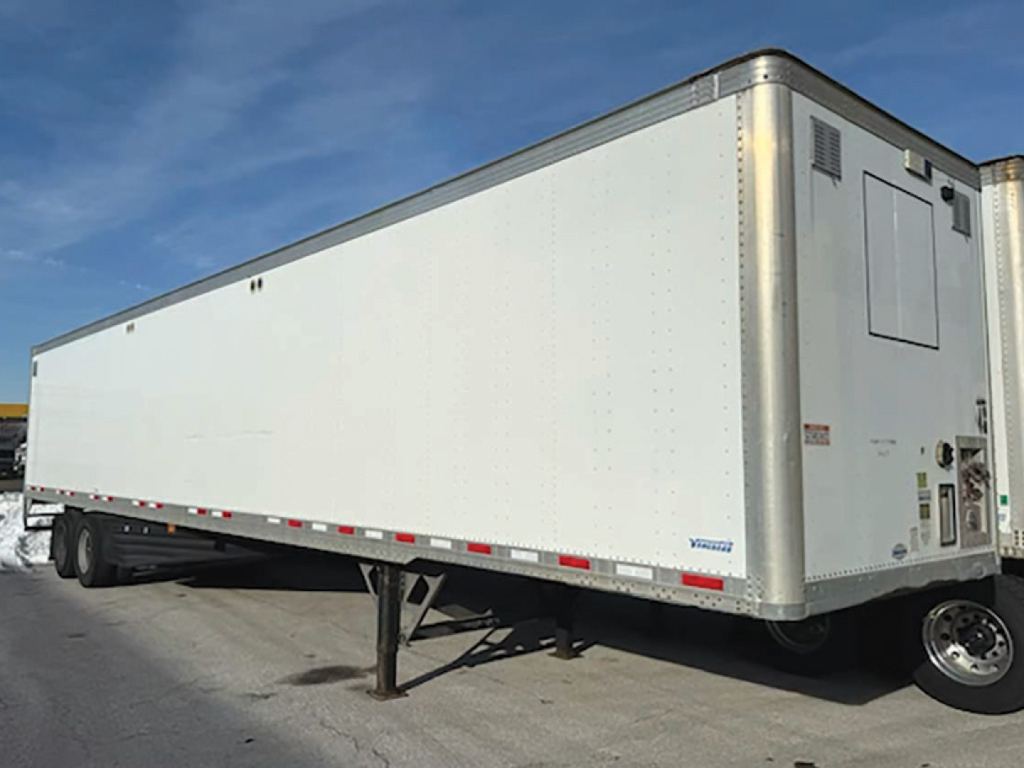
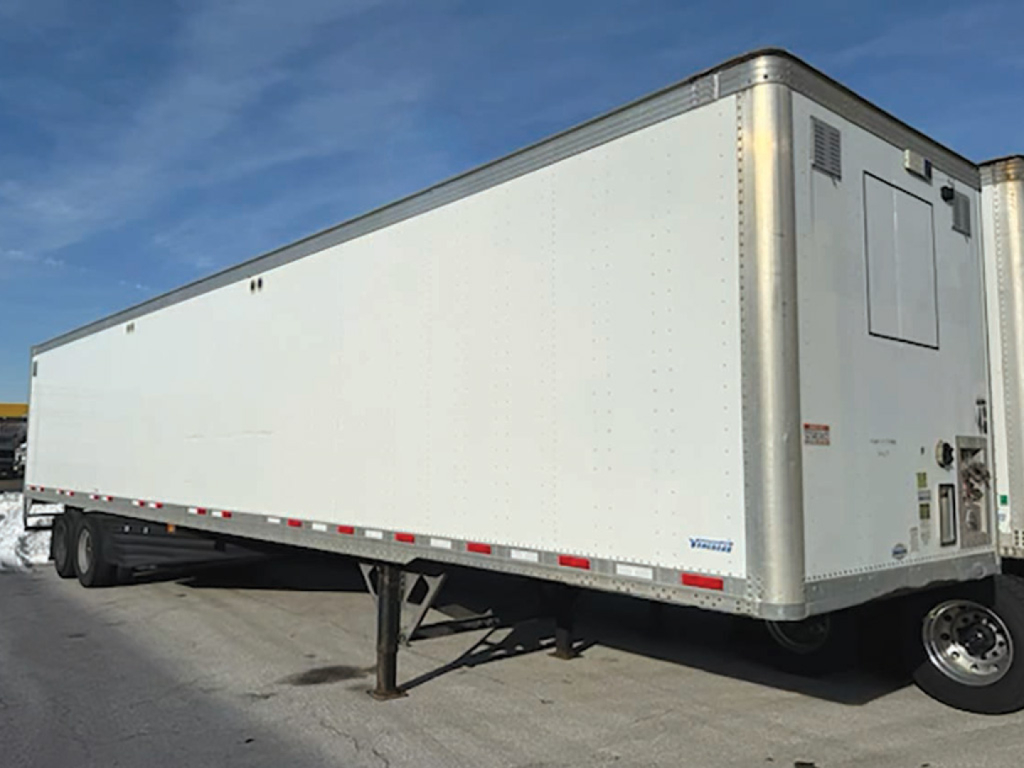
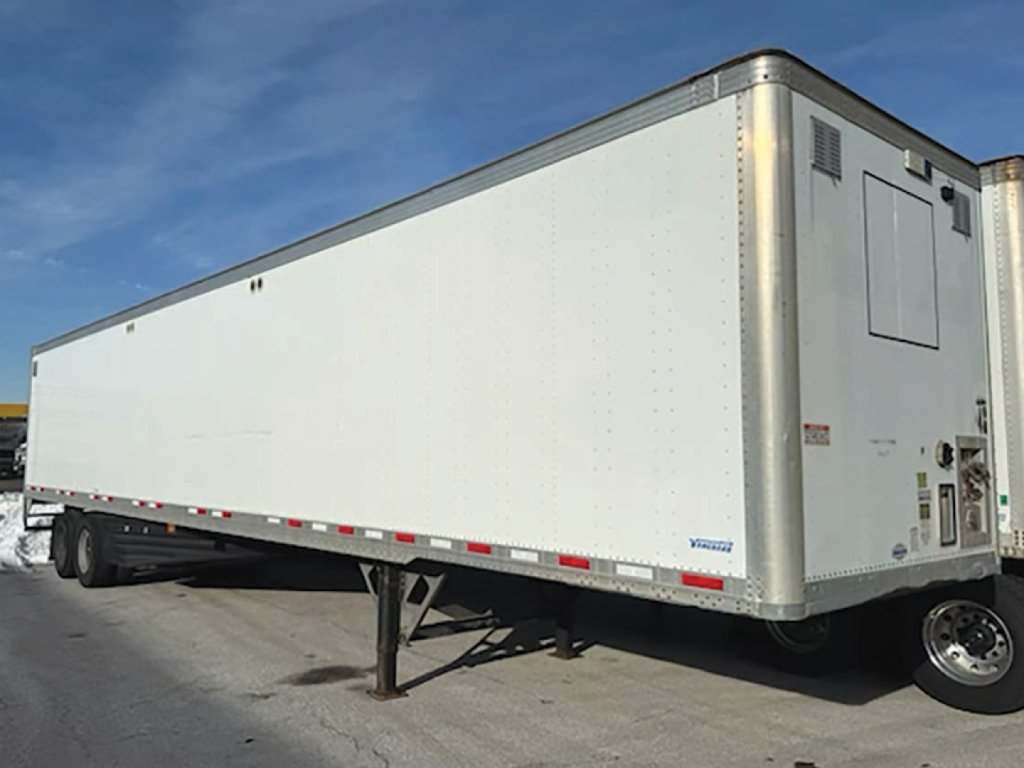
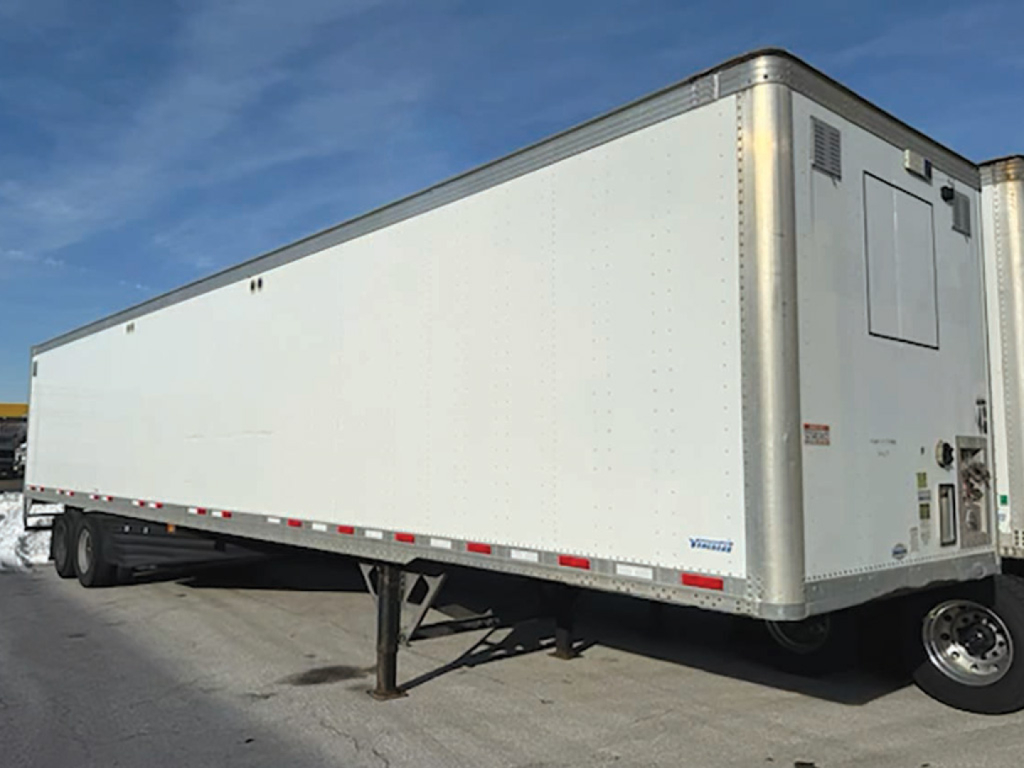
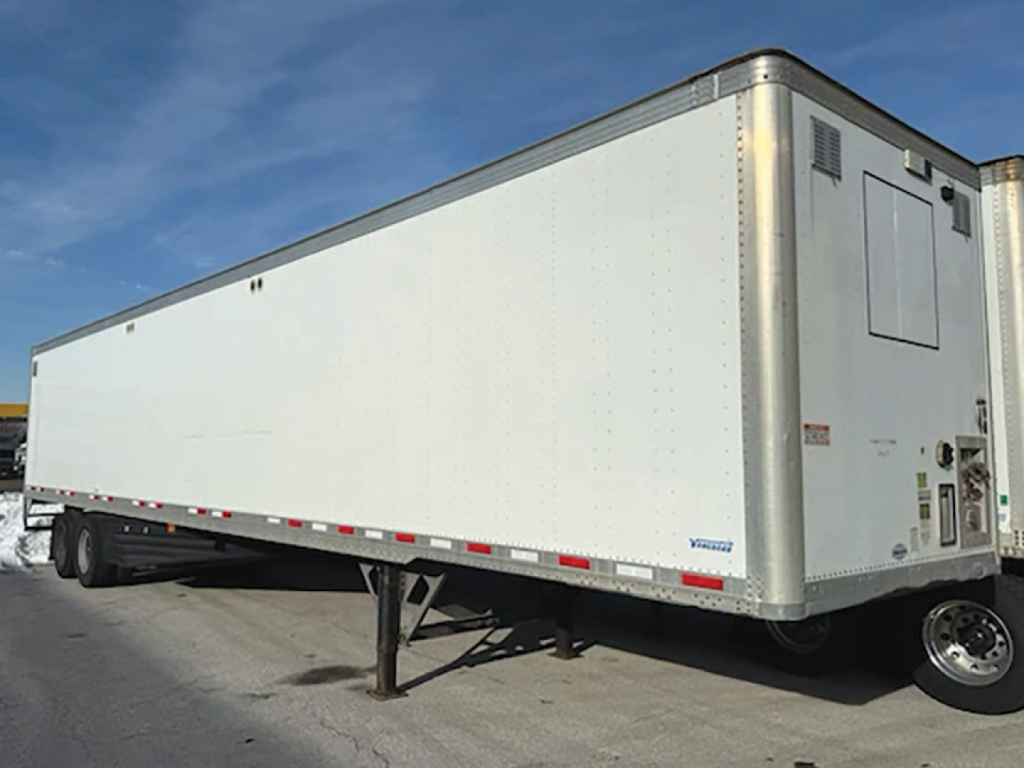
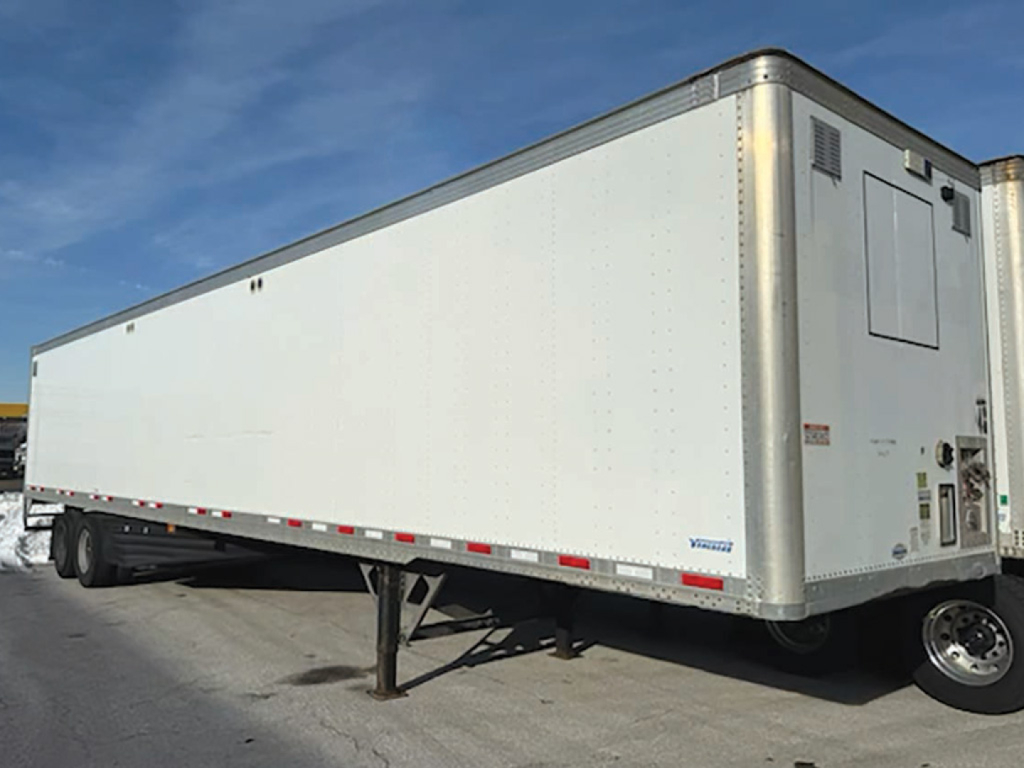
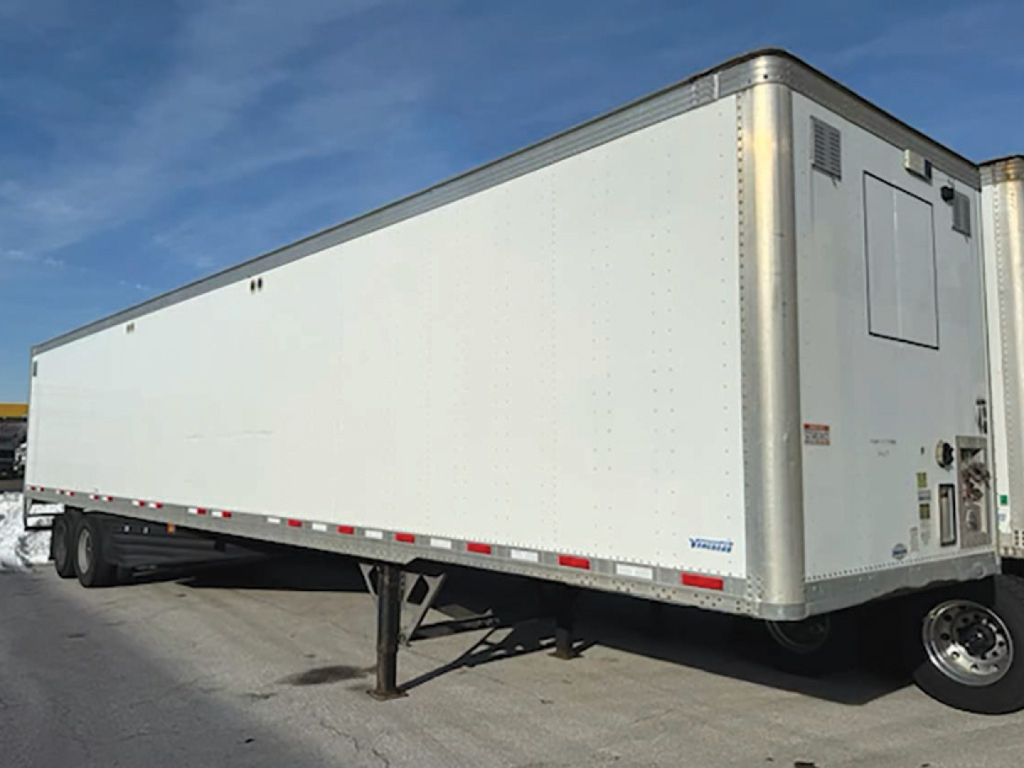
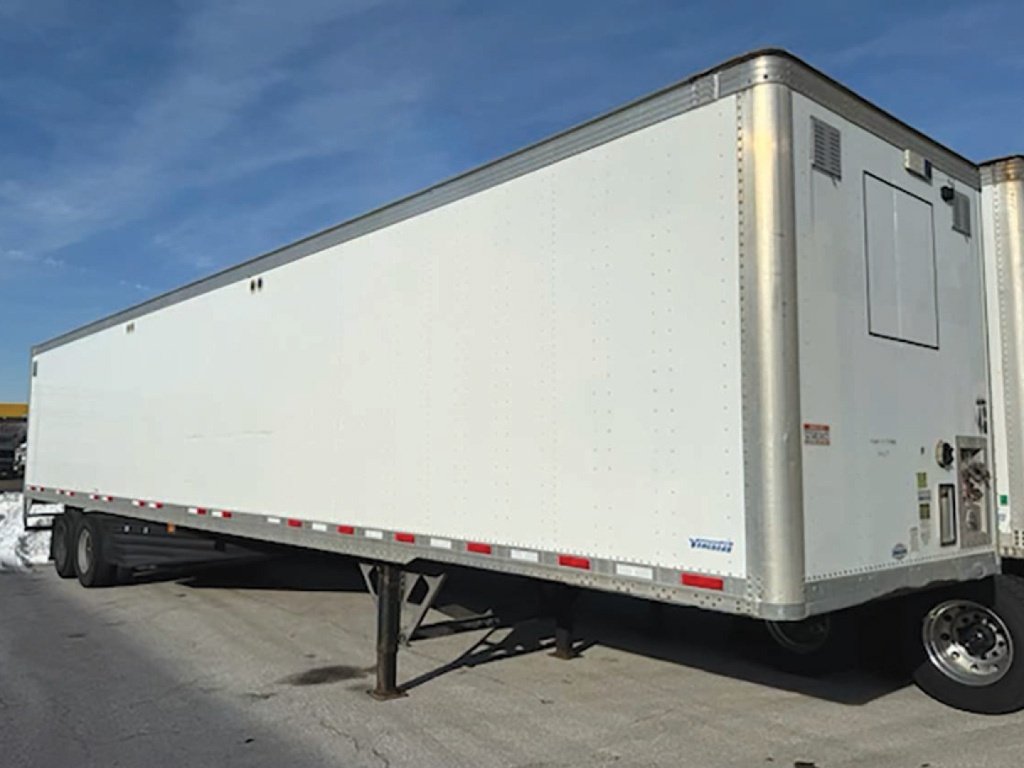
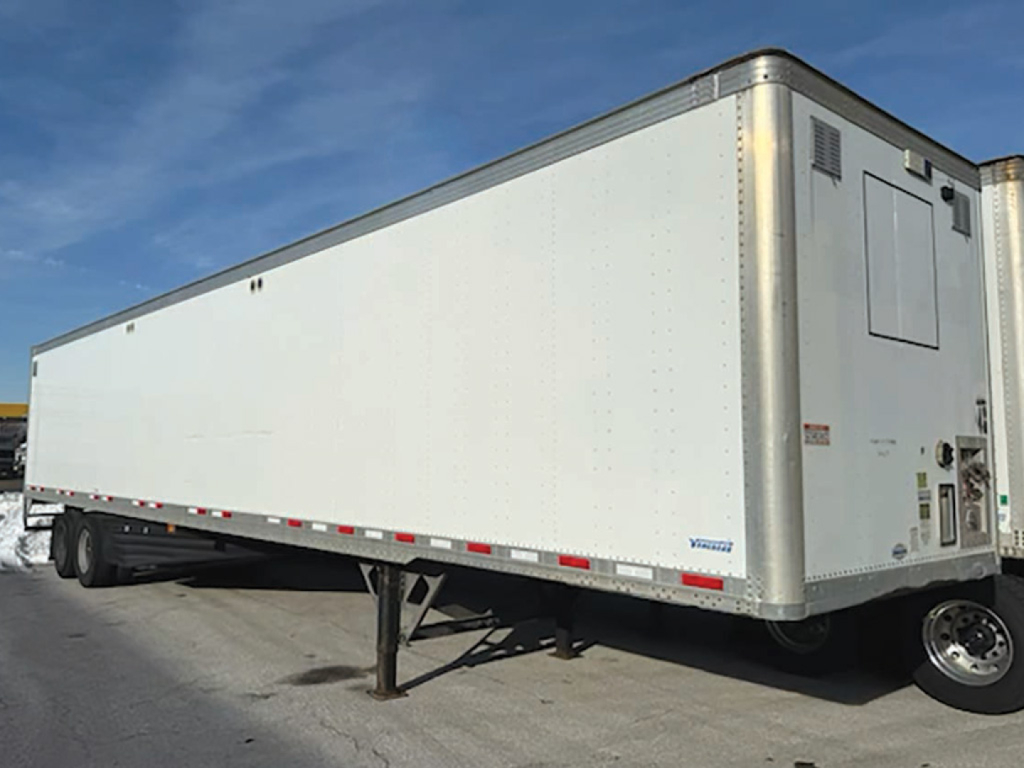
The right choice depends first on the freight. A 2020 dry van trailer is commonly a 53-foot x 102-inch setup with swing doors, wood floors, scuff liners, and logistics or E-track style cargo control. Reefer trailers from this model year often include insulated bodies, duct or chute systems, stainless front components, and transport refrigeration units from Carrier or Thermo King. Flatbed trailers in the 2020 range are commonly aluminum, steel, or combo construction with spread or tandem axle configurations, winch tracks, toolboxes, rub rails, and 48-foot decks. Dump trailers may be aluminum or steel and are usually judged by cubic yard capacity, liner condition, suspension type, tarp system, and hoist performance. Specialty trailers such as lowboys, flip axles, converter dollies, and other heavy-haul support equipment are typically evaluated around axle spacing, suspension rating, deck setup, and legal load flexibility.
Texas buyers usually pay close attention to axle configuration, tire and brake condition, and how a trailer is spec'd for regional freight lanes. Sliding tandems matter on van and reefer trailers where bridge law compliance and dock maneuverability affect day-to-day use. Spread axles on flatbeds can improve load distribution but may be less forgiving in tight delivery environments. Buyers should also look closely at roof condition, floor wear, crossmember integrity, rear frame condition, door hardware, and signs of corrosion or past damage. On reefer units, reefer hours, unit service history, fuel tank condition, and air chute or floor condition are just as important as the trailer body itself. On dump and flatbed equipment, suspension bushings, kingpin wear, landing gear function, and frame alignment deserve careful attention.
A 2020 trailer also tends to be recent enough that spec details can materially affect operating cost and resale. Disc brakes, aluminum wheels, low rolling resistance tires, aerodynamic skirts, and tire inflation systems can all matter depending on lane miles and maintenance practices. For buyers comparing multiple listings, the useful differences are often in dimensions, empty weight, axle spread, floor type, liner package, door style, and maintenance history rather than just make and price. The best 2020 trailer is the one whose spec matches the freight, legal requirements, and loading environment you actually run in Texas.
Frequently Asked Questions about 2020 Trailers in Texas
What are the most common types of 2020 trailers for sale in Texas?
The most common 2020 trailers on the Texas market are dry van trailers, refrigerated trailers, flatbed trailers, dump trailers, and specialty heavy-haul units. Dry vans are typically 53 feet long and built for general freight. Reefers are similar in size but include insulated bodies and refrigeration units for temperature-sensitive cargo. Flatbeds are usually 48 or 53 feet and are used for steel, lumber, machinery, and other open-deck freight. Dump trailers are selected based on body material, capacity, and suspension, while specialty trailers are chosen for specific weight and dimensional requirements.
What should I inspect first on a used 2020 trailer?
Start with the structural and wear items that drive repair cost. Check the frame, crossmembers, kingpin area, suspension components, brakes, tires, wheels, and landing gear. On vans and reefers, inspect the roof, sidewalls, rear frame, floor condition, and door seals. On flatbeds, look for deck wear, rub rail damage, winch track condition, and any bends or repairs in the main frame. On reefers, reefer unit hours and service records are critical because refrigeration repairs can be expensive even when the trailer body looks clean.
Is a 2020 trailer old enough to cause parts or compliance issues?
In most cases, no. A 2020 trailer is generally recent enough to have strong parts availability and specifications that still fit current freight and fleet standards. Most trailers from this model year were built with LED lighting, current brake configurations, modern suspension systems, and dimensions widely accepted across the market. The bigger issue is not age alone but how the trailer was maintained, what freight it hauled, and whether high-wear components have already been repaired or replaced.
How do I choose between a 2020 dry van, reefer, and flatbed trailer?
Choose based on the freight, loading method, and revenue opportunities in your lanes. A dry van is the standard choice for palletized general freight and offers the broadest freight compatibility. A reefer adds temperature control and can open up food-grade and cold-chain loads, but it also introduces more maintenance through the refrigeration unit and insulated body. A flatbed works best for freight that loads from the side, top, or by crane, and it gives flexibility for construction materials, machinery, pipe, and oversized cargo, but cargo securement requirements are much higher.
Which specs matter most when comparing 2020 trailer listings?
The most important specs depend on trailer type, but a few details matter across the board. Length, width, inside height, axle configuration, suspension type, brake type, wheel material, tire size, and floor or deck construction all affect usability and operating cost. On vans and reefers, sliding tandems, logistics posts, scuff liners, and door style are important. On flatbeds, buyers should compare spread versus tandem axles, deck material, winch setup, and toolbox package. On dump trailers, capacity, body composition, liner setup, tarp system, and hoist condition are key factors.