
2019 Trailers For Sale in California

Have 2019 trailer to sell? List it here to reach thousands of buyers.
2019 Trailers in California
For dry van trailers, the usual checkpoints are floor condition, rear frame integrity, roof repairs, swing versus rollup doors, tandem slide operation, and interior logistics equipment such as E-track or full logistics posts. A typical 2019 van in California may be a 53-foot by 102-inch trailer with air ride suspension, low-profile 22.5 tires, and aerodynamic skirts. Buyers moving retail, packaged goods, or general freight should pay close attention to scuff liners, threshold plate wear, crossmember condition, and evidence of forklift damage. If the trailer will run heavy cube freight in and out of ports, warehouses, or grocery distribution, kingpin area condition and alignment matter just as much as cosmetic appearance.
For 2019 reefer trailers, the refrigeration unit is only part of the buying decision. Unit hours, service history, fuel system condition, evaporator performance, chute setup, floor type, and door seal quality all affect operating cost. Many 2019 reefer specs in the market include Thermo King or Carrier units, aluminum duct or flat floors, stainless rear frames, and air ride sliding tandems. California operators should also think about CARB compliance, especially if the trailer will stay in intrastate service or move through regulated distribution networks. Reefer buyers hauling produce, dairy, frozen foods, or pharmaceuticals should verify pulldown performance, insulation condition, and how the trailer was loaded in previous service.
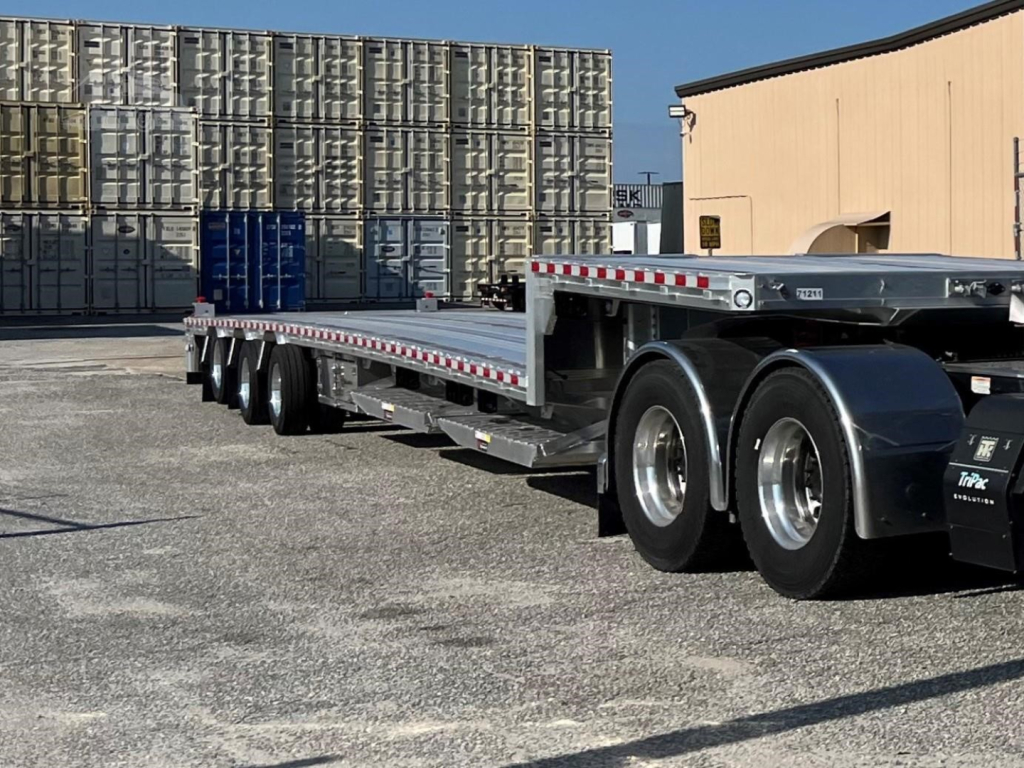
If you are shopping 2019 trailers broadly rather than by trailer body alone, start with the basics that affect uptime and resale: VIN and title status, suspension type, brake specification, wheel-end condition, tire age, ABS faults, and signs of corrosion or accident repair. Tank trailers need compartment, plumbing, and lining review. Platform trailers need deck, frame, and tie-down inspection. In California, axle spacing, bridge compliance, and lane application can be just as important as make and model. A well-matched 2019 trailer can still deliver strong service life, but the best value comes from buying around actual freight requirements, maintenance records, and structural condition rather than model year alone.
Frequently Asked Questions about 2019 Trailers in California
What should I inspect first on a 2019 used trailer?
Start with structural and running gear items before cosmetic features. Check the frame, crossmembers, kingpin area, suspension, slider rails, brakes, tires, wheel ends, lights, and ABS system. On vans and reefers, inspect the floor closely for forklift damage, soft spots, patches, and threshold wear. A 2019 trailer can still have strong value, but condition and maintenance history matter more than the model year by itself.
Are 2019 reefer trailers still a good buy in California?
Yes, many 2019 reefer trailers remain viable in California if the refrigeration unit has solid service records and the trailer meets current operating requirements. Buyers should verify CARB-related compliance, reefer unit hours, fuel system condition, door seals, insulation performance, and floor condition. A reefer with clean pulldown performance and documented maintenance can be a better buy than a newer trailer with poor service history.
What are common specs on 2019 dry van and reefer trailers?
Common 2019 trailer specs include 53-foot length, 102-inch width, 13-foot 6-inch overall height, air ride suspension, sliding tandems, 22.5 low-profile tires, and aluminum or steel wheel options. Dry vans often include wood floors, scuff liners, logistics posts, and swing or rollup doors. Reefers commonly add stainless rear frames, insulated bodies, aluminum floors, and Thermo King or Carrier refrigeration units.
Does a 2019 trailer usually have better features than older models?
In many cases, yes. By 2019, many trailers were commonly spec'd with disc brakes, tire inflation systems, side skirts, improved telematics compatibility, and updated interior cargo control layouts. That does not automatically make every 2019 trailer better than an older one, because maintenance quality, prior freight type, and repair history have a major impact on real-world value and uptime.
How do I choose between a 2019 dry van and a 2019 reefer?
Choose based on freight, operating cost, and resale strategy. A dry van is simpler and usually less expensive to maintain, making it a strong fit for general freight, retail, and non-temperature-sensitive loads. A reefer supports higher-value temperature-controlled freight but adds maintenance around the refrigeration unit, fuel system, and insulated body. If your lanes or customers do not require temperature control, a van often delivers lower total cost of ownership.