
2014 Trailers For Sale in Pennsylvania
Browse 2014 trailers for sale in Pennsylvania, including dry van and flatbed options with specs that matter for freight, weight, and uptime.
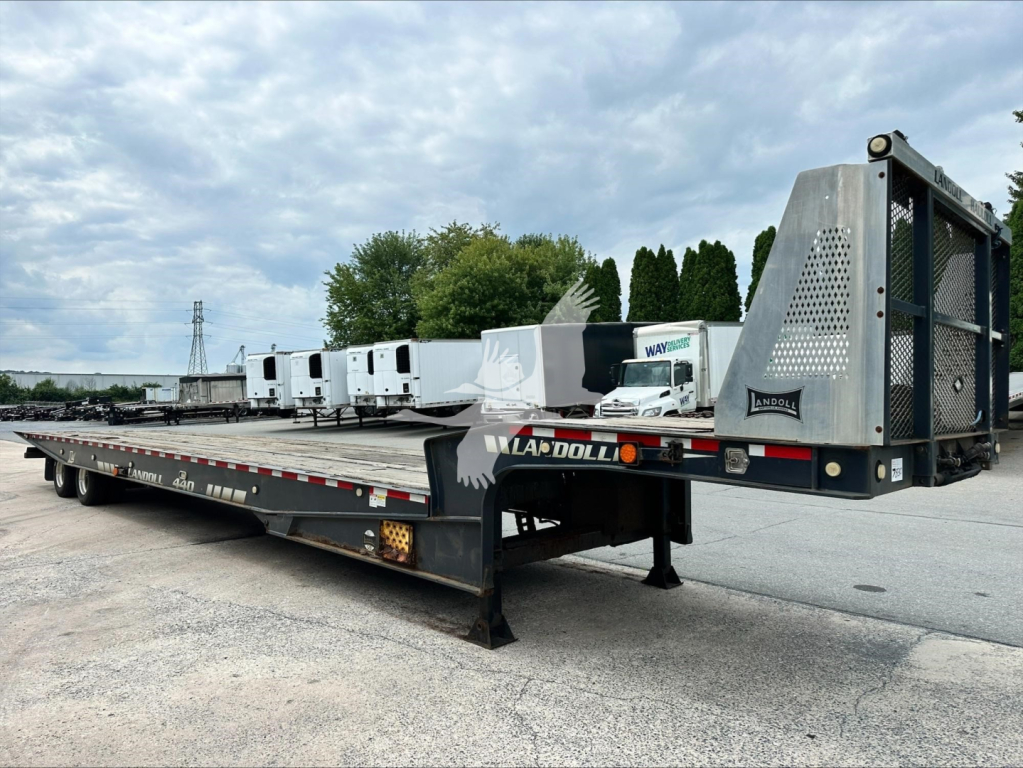
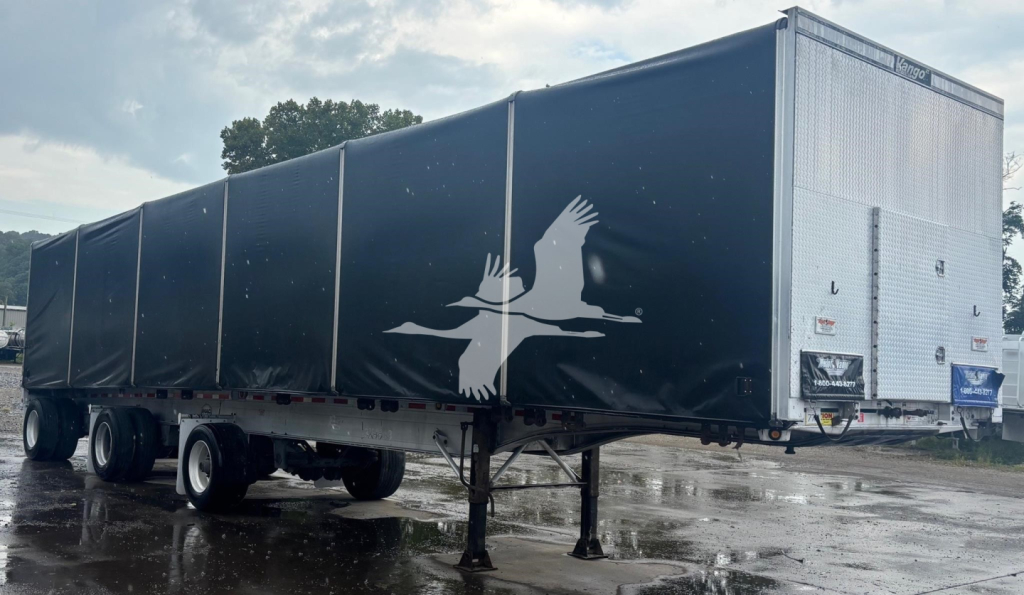
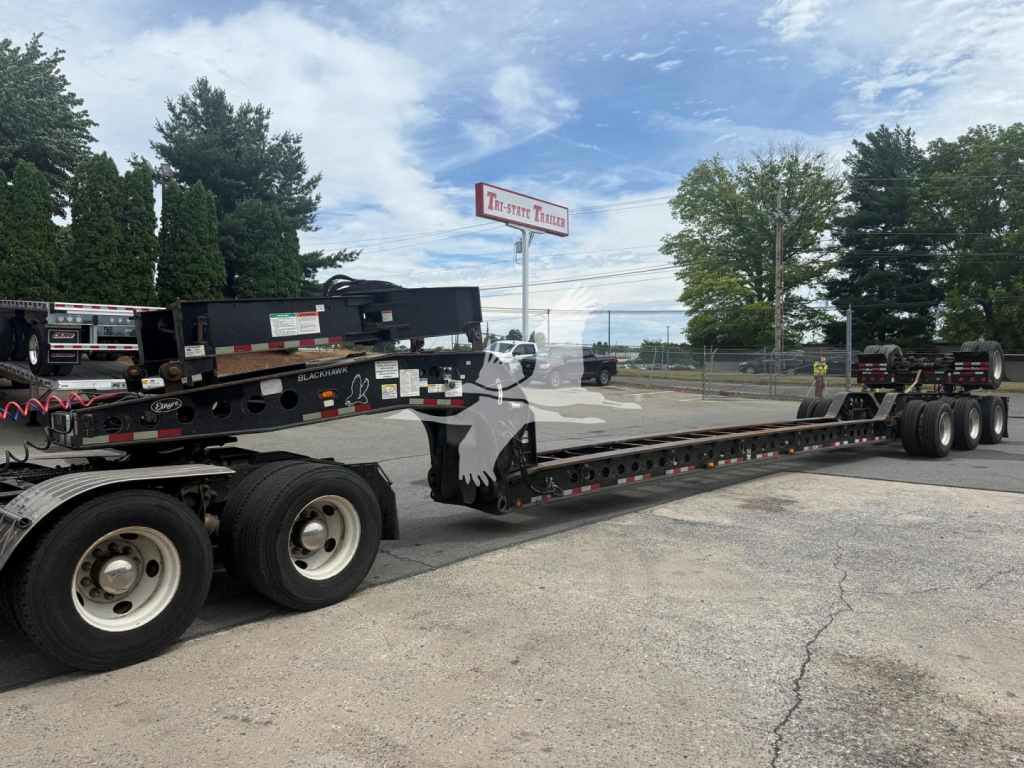
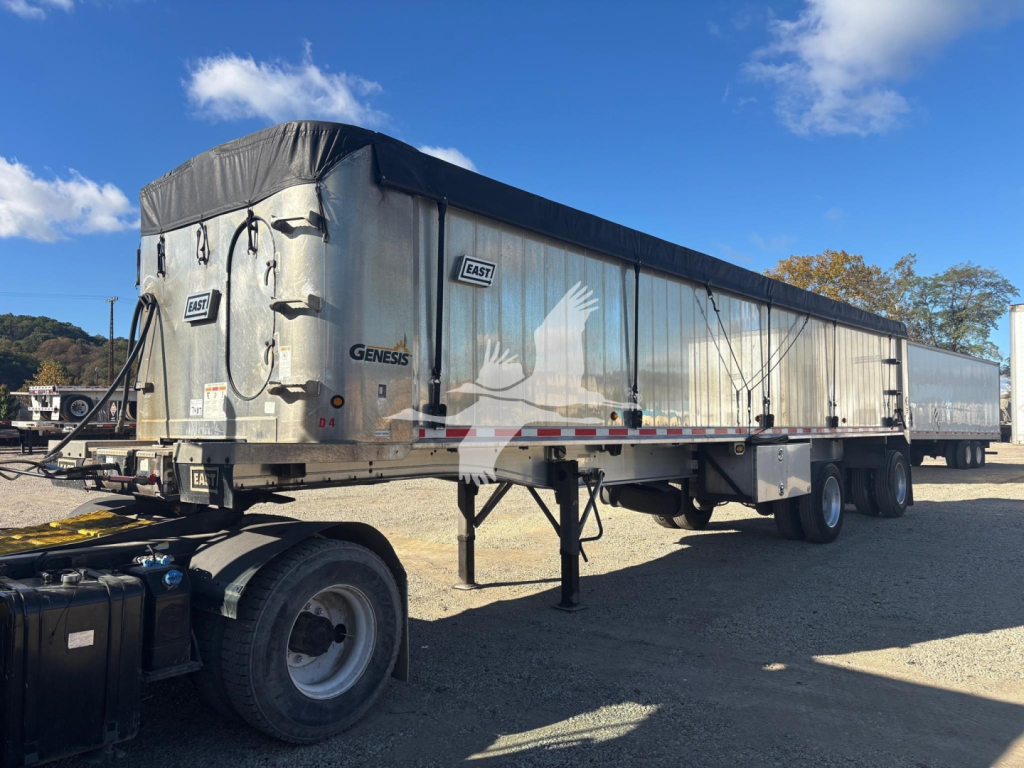
Selling a 2014 trailer? List your 2014 trailer for sale and reach thousands of commercial buyers.
2014 Trailers in Pennsylvania
On dry vans, common specs include 53-foot length, 102-inch width, 13-foot 6-inch overall height, tandem sliding axles, air ride suspension, swing doors, and wood or composite flooring. Buyers should pay close attention to roof condition, crossmember spacing, rear frame integrity, door hardware, landing gear, and signs of sidewall or scuff damage from forklift traffic. Plate and composite side construction can offer a good balance of durability and weight, while aluminum roofs and logistics posts remain desirable for freight flexibility. In Pennsylvania, where trailers may see winter road treatment and heavy dock use, corrosion around the rear sill, subframe, slider box, and support members deserves a close inspection.
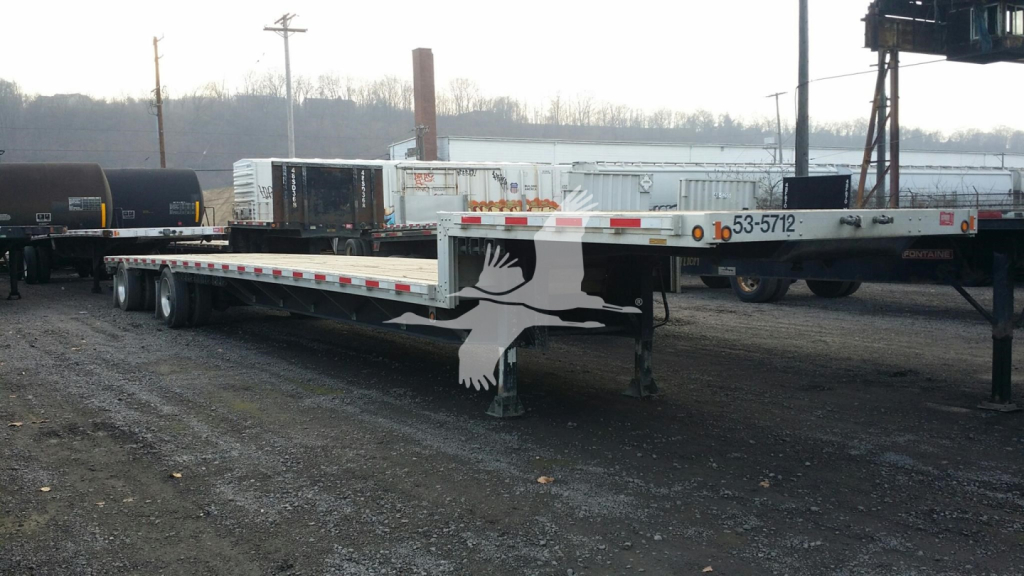
On flatbeds, many 2014-era buyers are comparing aluminum versus steel construction, fixed spread versus sliding tandem axle setups, and deck type. A 48-foot by 102-inch flatbed is one of the most common configurations. Aluminum trailers typically save tare weight and help maximize payload, while steel-spec trailers may appeal to operations prioritizing structural toughness and lower repair-cost expectations in harsh service. Useful features include winch tracks, sliding winches, stake pockets, pipe spools, nail strips, coil packages, air ride suspension, and tire inflation systems. Kingpin setting, axle spread, crossmember centers, and concentrated load ratings matter if the trailer will haul steel coils, dense machinery, or building products. A trailer that looks clean but has worn deck fasteners, damaged side rails, or fatigue around crossmembers can become expensive quickly.
For a 2014 trailer, age-related condition matters more than badge alone. Tire age, brake wear, bushing condition, slider operation, ABS function, floor life, and evidence of prior frame or body repairs should all be part of the buying decision. Pennsylvania operators should also think about bridge law compliance, weight distribution, and how the trailer will track through tight urban docks, industrial yards, and turnpike miles. The best 2014 trailer is the one with the right configuration for the freight, a straight structure, and a clear maintenance story that supports reliable service.
Frequently Asked Questions about 2014 Trailers in Pennsylvania
What should I inspect first on a 2014 used trailer?
Start with the structure and running gear. Check the frame rails, crossmembers, slider assembly, suspension, axle alignment, brakes, wheel ends, tires, and landing gear before focusing on appearance. On dry vans, inspect the floor, rear frame, roof, door frame, and sidewalls for forklift damage, leaks, and corrosion. On flatbeds, inspect the deck, side rails, winch track, stake pockets, and areas around concentrated load points for cracks, repairs, or distortion.
Is a 2014 trailer too old for regular commercial use?
Not necessarily. A 2014 trailer can still be productive in regional or over-the-road service if it has been maintained correctly and the major structural components are sound. Trailer age matters less than condition, prior use, and repair quality. A well-kept 2014 trailer with good brakes, legal tires, a solid floor, straight frame components, and documented service can be a better buy than a newer trailer with hidden damage or neglected maintenance.
What is the most common setup for a 2014 dry van trailer?
A common 2014 dry van setup is a 53-foot by 102-inch trailer with tandem sliding axles, air ride suspension, swing doors, wood floor, aluminum roof, and logistics posts. Many buyers prefer sliding tandems for bridge law flexibility and dock positioning. Scuff liners, composite or plate sidewalls, and a solid rear frame are also important because they affect durability in high-cycle freight operations.
What specs matter most on a 2014 flatbed trailer?
The key flatbed specs are overall length and width, trailer weight, frame material, axle configuration, suspension type, kingpin setting, crossmember spacing, and deck construction. Buyers should also evaluate tiedown equipment such as winch tracks, sliding winches, stake pockets, pipe spools, and coil package ratings. If the trailer will haul dense freight, beam rating and concentrated load capacity are more important than appearance or brand familiarity alone.
Why does Pennsylvania use affect trailer buying decisions?
Pennsylvania service often means winter salt exposure, uneven secondary roads, industrial loading conditions, and a mix of city, regional, and turnpike miles. That use pattern can accelerate corrosion on rear frames, sliders, suspension components, and electrical connections. It also puts stress on floors, doors, and understructures. A trailer used in this environment should be checked carefully for rust, seized slider parts, damaged wiring, and wear related to frequent dock contact and heavy freight.