
2014 Trailers For Sale in Georgia
Browse 2014 trailers for sale in Georgia, including dry vans, flatbeds, and utility trailers with specs that matter for fleet and owner-operator use.

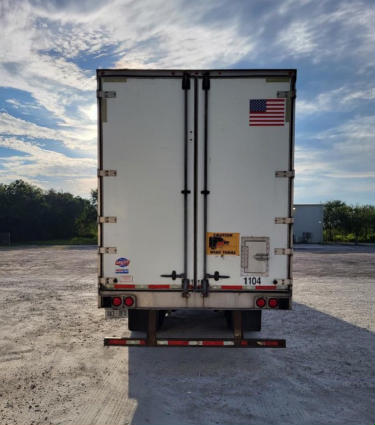
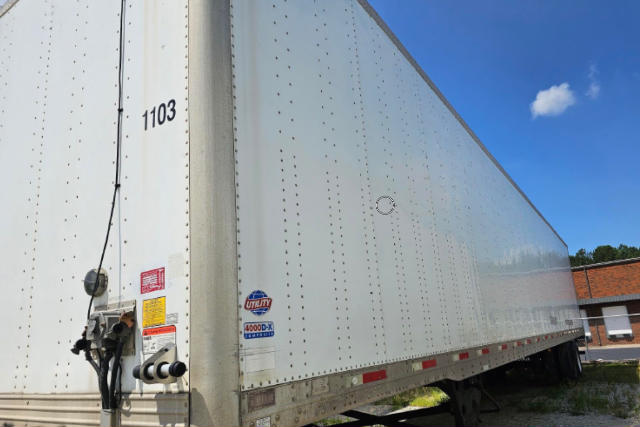

Selling a 2014 trailer? List your 2014 trailer for sale and reach thousands of commercial buyers.
2014 Trailers in Georgia
On 2014 dry van and cargo van trailers, the biggest value drivers are structural condition and interior specification. A 53-foot by 102-inch platform is the standard target for most freight, but the details matter more than the basic dimensions. Crossmember spacing, hardwood or composite floor condition, sheet-and-post versus plate construction, door frame integrity, slider operation, and suspension type all affect service life and resale. Air ride remains a preferred spec for many operations handling sensitive freight, while spring ride can still make sense for cost-conscious buyers and certain regional applications. Look closely at tire size, brake life, automatic slack adjusters, wheel type, and whether the trailer has clear title, current inspection status, and any history of structural repairs.
For 2014 flatbed and utility trailers, payload strategy matters as much as age. Aluminum and aluminum-steel composite trailers can reduce tare weight, while all-steel builds may appeal to buyers prioritizing durability and lower repair complexity. A 48-foot by 102-inch flatbed is still a common configuration, often equipped with nail strips, sliding winch tracks, double spools, toolboxes, and coil packages. Suspension choice, axle spread, and tire profile affect bridge compliance, ride quality, and maintenance cost. In Georgia freight lanes, where building materials, machinery, paper products, and consumer freight all move heavily, trailer spec should line up with the cargo you plan to haul and the dock or shipper requirements you deal with most.
When comparing 2014 trailers, inspect the understructure as carefully as the body. Check crossmembers, rails, landing gear, slider rails, suspension hangers, bushings, brake chambers, air lines, and light wiring. On van trailers, look for roof bow damage, floor wear at forklift traffic points, and signs of sidewall patching. On flatbeds, inspect deck fasteners, rub rails, stake pockets, and frame straightness. A well-maintained 2014 trailer can still deliver strong service if the spec matches the work and the maintenance history supports the condition. Buyers who focus on application, structural health, and wear-item replacement needs usually make the best long-term purchase in this age range.
Frequently Asked Questions about 2014 Trailers in Georgia
What should I look for first on a 2014 used trailer?
Start with structural condition before cosmetic appearance. Check the frame, crossmembers, suspension mounts, landing gear, slider assembly, brake system, tires, and wheel ends. On dry vans, inspect the roof, floor, door frame, scuff liner, and sidewalls for impact damage, patches, or water intrusion. On flatbeds, pay close attention to deck condition, rub rails, stake pockets, and any sign of frame twist or repair work. A 2014 trailer can still be a solid asset if the structure is sound and the wear items are within serviceable range.
Is a 2014 trailer too old for regular commercial use?
Not necessarily. Many 2014 trailers remain productive in regional and over-the-road service, especially if they have been maintained on a consistent schedule. Trailer age matters less than specification, maintenance history, and current mechanical condition. Brake life, suspension wear, tire condition, floor integrity, and evidence of prior structural repair will tell you more than the model year alone. Buyers should also confirm that the trailer still matches current freight requirements and customer expectations for dimensions, door type, and cargo securement features.
What trailer types are common in the 2014 model year market in Georgia?
Georgia buyers commonly find 2014 dry vans, cargo vans, flatbeds, and utility-style trailers. Dry vans are popular for general freight, paper, palletized goods, and retail distribution. Flatbeds are common for construction materials, steel, machinery, and oversize-compatible freight that does not require enclosure. Utility and general van configurations often overlap depending on manufacturer naming, so it is important to review the actual dimensions, axle setup, suspension, and interior equipment rather than relying only on the category label.
Which specs matter most on a 2014 dry van trailer?
The most important dry van specs are length and width, floor construction, crossmember spacing, suspension type, kingpin setting, axle slider function, interior logistics equipment, and door configuration. A 53-foot by 102-inch trailer is the standard choice for most van freight, but floor strength and wall construction are just as important for long-term use. Buyers should verify whether the trailer has hardwood or composite flooring, sheet-and-post or plate-style wall construction, E-track or logistics posts, and swing or roll doors. These details affect cargo flexibility, repair cost, and resale value.
Are aluminum or steel trailers better in a 2014 used market?
Each has a different advantage. Aluminum or aluminum-composite trailers usually offer lower tare weight, which can help maximize payload and improve fuel efficiency. Steel trailers can be attractive for buyers who value ruggedness, lower acquisition cost, and straightforward repair in certain applications. In a 2014 trailer, the better choice depends on the freight, expected miles, corrosion exposure, and maintenance approach. The material itself matters less than overall condition, prior repair quality, and whether the trailer’s spec fits the work.