
2014 Trailers For Sale in Florida
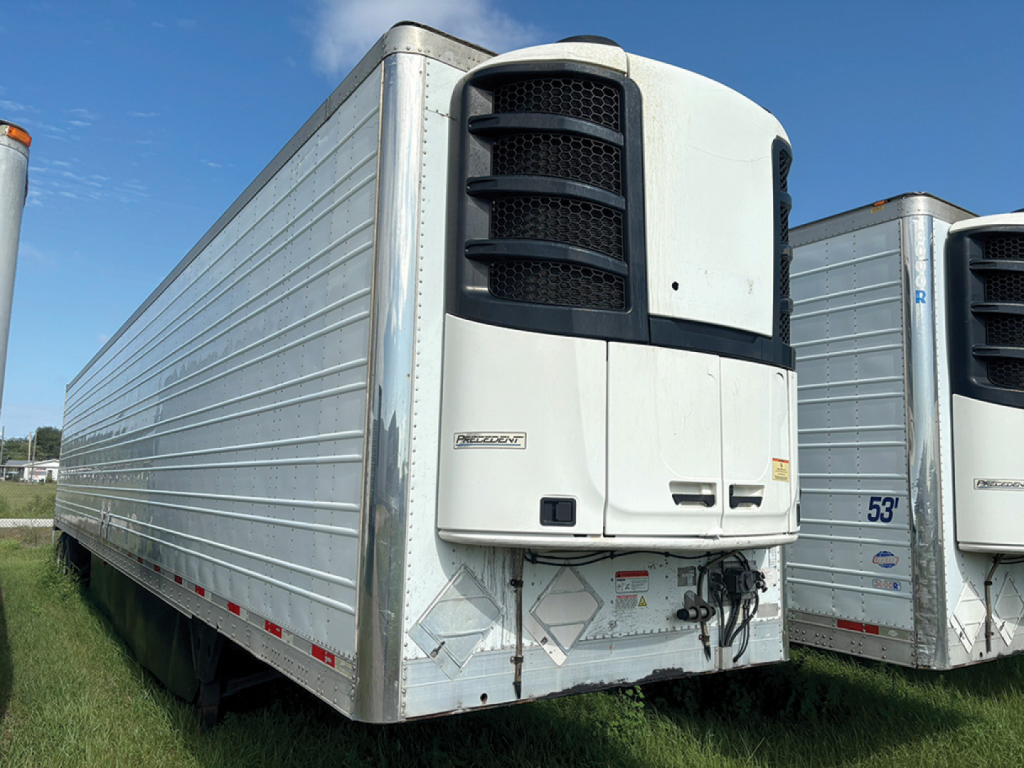
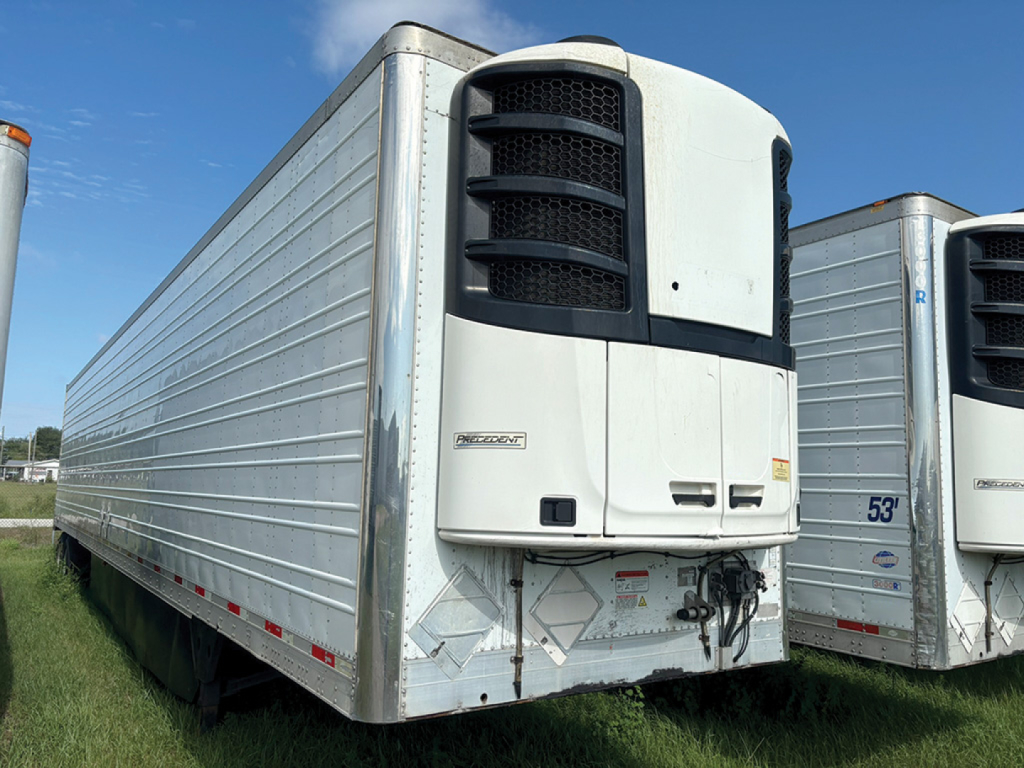
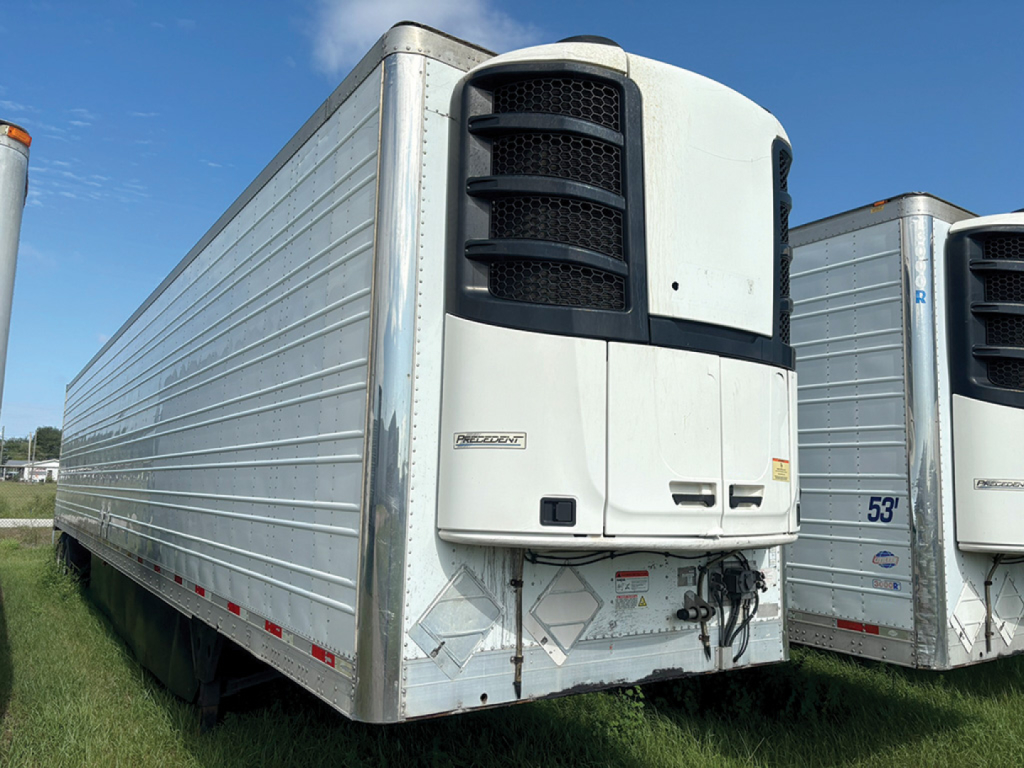
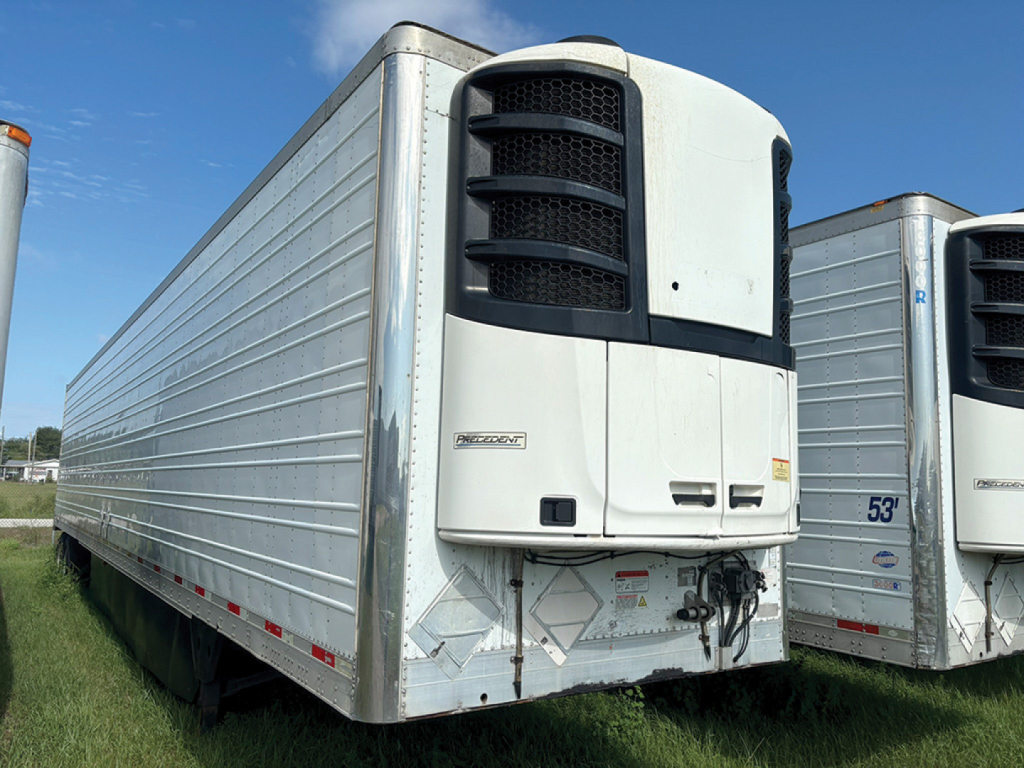
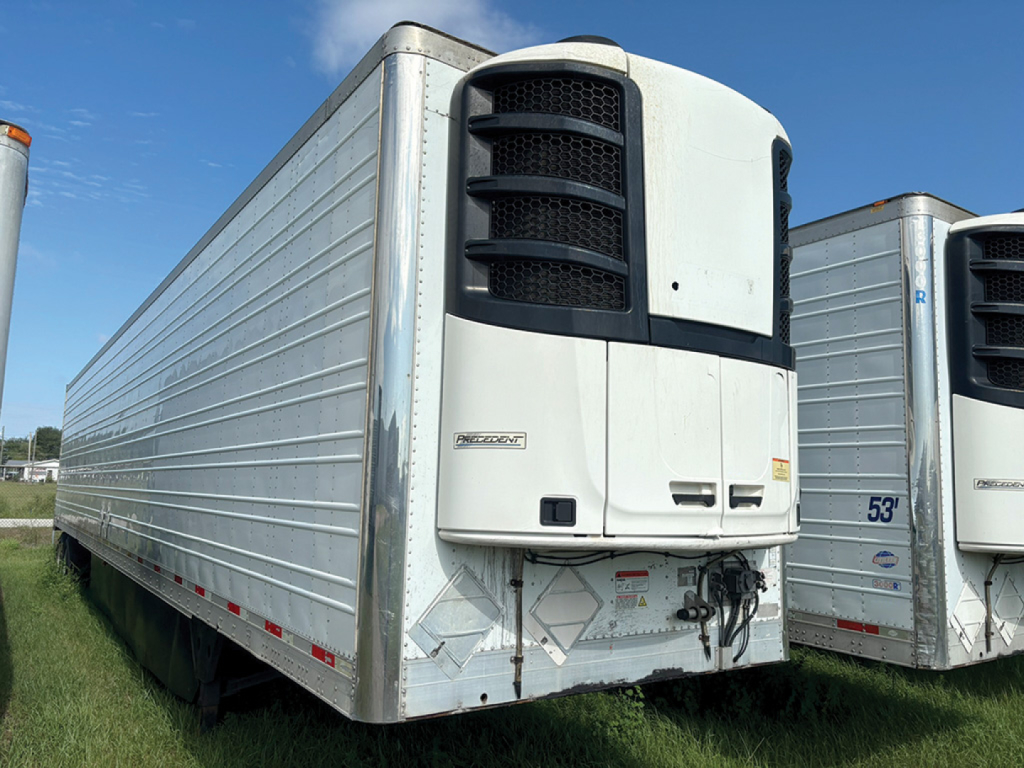
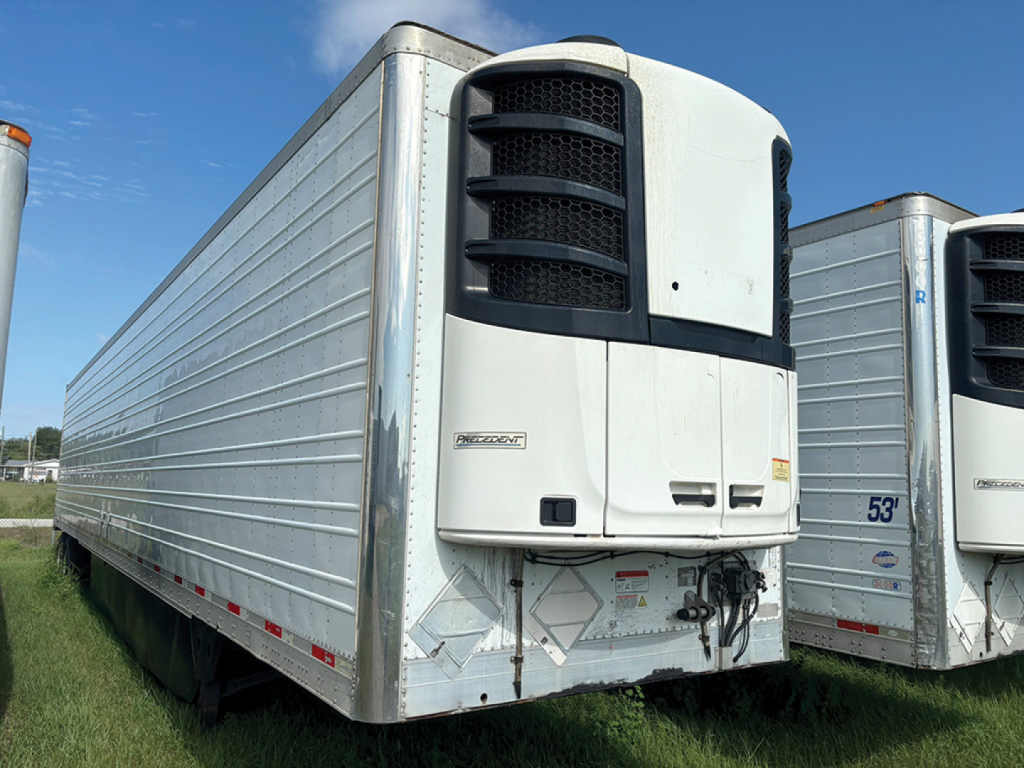

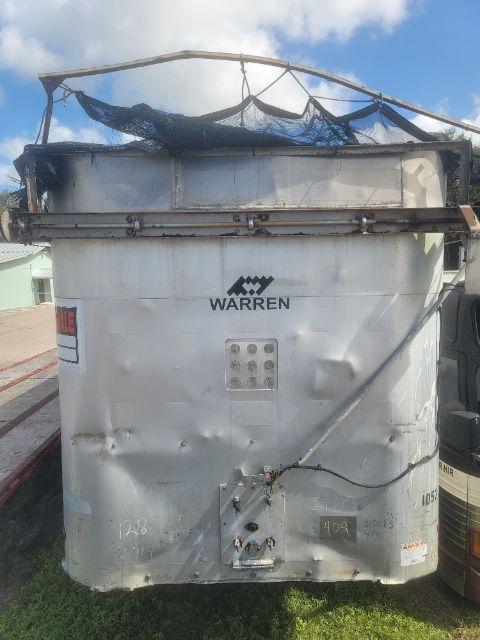
Have 2014 trailer to sell? List it here to reach thousands of buyers.
2014 Trailers in Florida
The 2014 trailer market covers a wide spread of equipment, including dry vans, refrigerated trailers, flatbeds, drop decks, container chassis, dump trailers, and other specialty configurations. For vans and reefers, common checkpoints include trailer length, inside height, door opening, floor condition, scuff liners, logistics posts or E-track, tandem slide operation, and tire inflation systems if equipped. On flatbeds and step decks, buyers usually focus on deck length, axle spacing, deck material, winch track condition, side rail damage, and any evidence of concentrated load stress around the suspension and kingpin area. A 2014 build year often means the trailer has already moved beyond early depreciation, so remaining value depends heavily on maintenance and prior application.
Spec selection matters as much as condition. A 53-foot dry van with air ride, roll-up door, and sliding tandems fits a very different operation than a spring ride storage van, a spread-axle flatbed, or a reefer with high engine hours. Buyers in Florida often consider bridge law, port work, warehouse dock compatibility, and long-haul lane mix when comparing trailers from this year range. Tire size, wheel type, brake setup, suspension design, and kingpin setting all affect how easily a trailer fits into an existing fleet and how much reconditioning it may need before going to work.
A strong 2014 trailer is usually identified by straightforward things: clean title history, even tire wear, solid alignment, documented brake and bearing service, and no signs of major structural repair done poorly. Look closely at roof bows, rear sill, ICC bumper, upper coupler plate, and any patched floor sections. If the trailer is intended for revenue service rather than yard use, the best buys are usually the ones with specs that match current freight demands and a condition profile that does not force immediate shop time.
Frequently Asked Questions about 2014 Trailers in Florida
What should I inspect first on a 2014 used trailer?
Start with the structure before looking at cosmetic details. Check the frame rails, crossmembers, upper coupler, kingpin area, suspension hangers, slider rails, rear frame, and floor condition. After that, inspect brakes, tires, wheel ends, lights, wiring, doors, and any air ride or tire inflation components. A 2014 trailer can still have strong service life left, but structural repairs and neglected running gear will quickly change its real cost.
Is a 2014 trailer too old for over-the-road freight?
Not necessarily. Age alone does not determine suitability for over-the-road service. Many 2014 trailers remain productive in regional and long-haul operations if they have been maintained properly and meet the freight requirements of the business. Buyers should focus on maintenance records, structural condition, brake compliance, tire condition, suspension wear, and whether the trailer's dimensions and features still fit current customer needs.
Which trailer types are most common in the 2014 market?
The 2014 market commonly includes dry vans, reefers, flatbeds, drop decks, chassis, and dump trailers. Dry vans and reefers are often compared by length, inside height, floor condition, door style, and tandem configuration. Flatbeds and step decks are usually evaluated by deck length, axle layout, load securement equipment, and frame condition. The best trailer type depends on freight profile, loading method, and the roads and facilities the trailer will see.
What matters most when buying a 2014 trailer in Florida?
Florida buyers usually pay close attention to corrosion, tires, brakes, and suitability for port, warehouse, and regional freight work. Trailers in Florida may avoid heavy road salt exposure seen in northern states, but humidity and coastal conditions can still affect wiring, landing gear, doors, and steel components. It also helps to confirm the trailer's dimensions, axle setup, and tandem operation fit state routes, customer docks, and the tractor specifications already in the fleet.