
2012 Trailers For Sale in Pennsylvania
Browse 2012 trailers for sale in Pennsylvania, including van, flatbed, lowboy, and specialty trailer types with specs buyers compare most.
Selling a 2012 trailer? List your 2012 trailer for sale and reach thousands of commercial buyers.
2012 Trailers in Pennsylvania
Dry vans from this model year are commonly 48-foot or 53-foot trailers with 102-inch width, tandem sliding axles, air-ride suspension, hardwood floors, and either swing or roll doors. Buyers should pay close attention to roof condition, rear frame corrosion, crossmember integrity, scuff liners, logistics posts, and door seal wear. In Pennsylvania, where winter road treatment can be hard on undercarriages, rust around the slider box, landing gear mounts, and rear impact guard deserves a close inspection. Plate vans and composite sidewall vans from this era are both common, and the right choice depends on how much dock abuse, palletized freight, and interior wall contact the trailer will see.
For flatbeds, a 2012 trailer may be aluminum or steel, often in 48-foot lengths with spread or tandem axle configurations. Buyers hauling coil, lumber, machinery, or fabricated steel should compare deck condition, winch track layout, tire size, suspension type, and any concentrated load rating. Aluminum flatbeds usually offer lighter tare weight and better payload potential, while steel trailers can make sense in severe-service applications. Look closely at the condition of the main beams, crossmembers, tire wear pattern, and any evidence of deck replacement or structural repair, especially if the trailer has spent time in heavy industrial lanes.
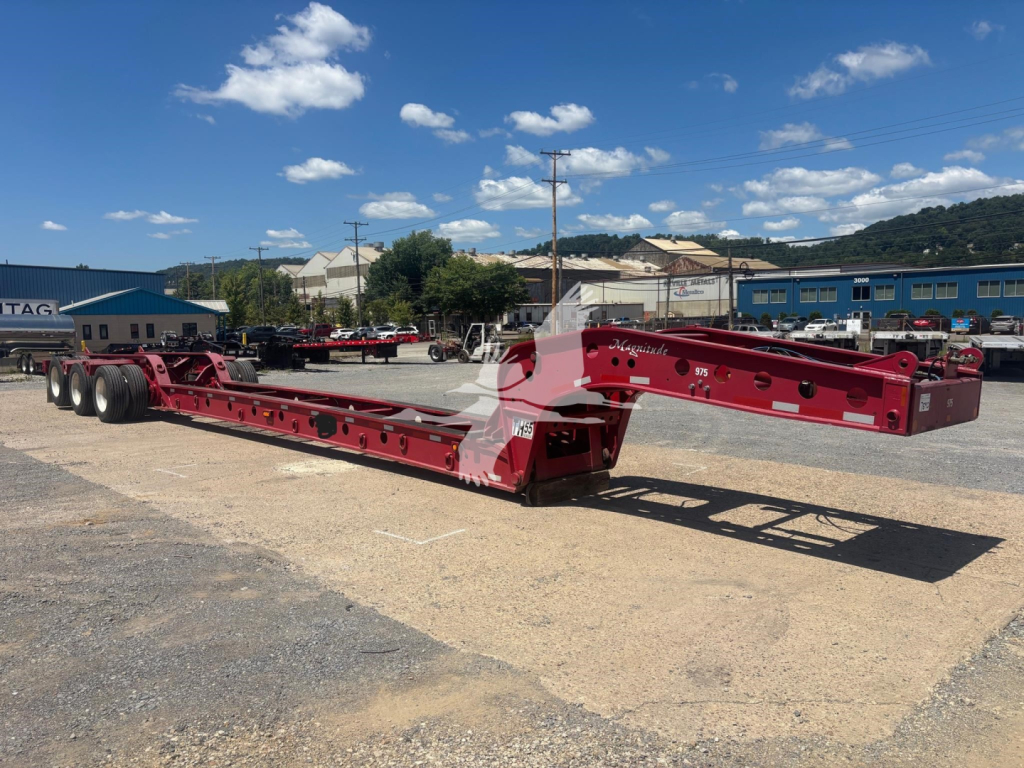
If the listings include lowboys, detachable goosenecks, or other specialized trailers from 2012, capacity and geometry matter more than year alone. Main deck length, loaded deck height, axle count, outriggers, kingpin settings, neck style, and swing clearance all affect what iron the trailer can legally and safely move. Pennsylvania buyers should also think about bridge law compliance, permit routes, and the availability of parts for suspension, brakes, and hydraulic neck systems. A 2012 trailer in this class can still be a productive asset if the frame is straight, the wear points have been addressed, and the spec matches the freight.
Frequently Asked Questions about 2012 Trailers in Pennsylvania
What should I inspect first on a 2012 used trailer?
Start with the structure and running gear. Check the frame rails, crossmembers, suspension components, axle alignment, brake wear, wheel ends, and tire condition before focusing on cosmetic items. On van trailers, inspect the roof, floor, rear frame, doors, and slider assembly. On flatbeds and lowboys, pay close attention to deck condition, concentrated stress areas, tie-down points, and any visible weld repairs. A 2012 trailer can still have solid service life left, but deferred maintenance usually shows up in these areas first.
Is a 2012 trailer too old for regular commercial use?
Not necessarily. Trailer age matters less than maintenance history, prior application, and overall structural condition. Many 2012 trailers remain productive in regional haul, dedicated freight, construction support, and secondary fleet roles. Buyers should evaluate DOT readiness, parts availability, corrosion level, and whether the trailer's original spec still fits current freight demands. A properly maintained 2012 trailer can still deliver good value when purchase price and repair budget are balanced correctly.
What trailer types are most common in the 2012 market?
Dry vans, flatbeds, refrigerated trailers, lowboys, and detachable goosenecks are all common from the 2012 model year. Dry vans are typically chosen for palletized general freight, flatbeds for open-deck cargo like steel or building products, and lowboys or detach trailers for heavy equipment. The most common specs vary by category, but buyers frequently compare length, axle configuration, suspension type, floor material, and overall tare weight when narrowing down options.
Why does Pennsylvania use matter when buying a 2012 trailer?
Pennsylvania operating conditions can accelerate wear in ways buyers should account for. Road salt, freeze-thaw cycles, potholes, and hilly terrain can affect undercarriage corrosion, suspension wear, brake life, and frame stress. That does not make a Pennsylvania trailer a poor choice, but it does mean inspections should focus on rust-prone areas such as slider boxes, landing gear supports, rear subframes, and air system components. Service records and a careful underbody inspection are especially important in this market.
How do I decide between a dry van, flatbed, and lowboy in a 2012 trailer?
Match the trailer to the freight first, then compare specs that affect uptime and legal payload. A dry van suits enclosed palletized freight and dock-based operations. A flatbed works for freight that can be loaded from the side or top and secured with chains or straps. A lowboy or detachable trailer is intended for taller and heavier equipment that requires reduced deck height and higher capacity. Once the application is clear, compare axle layout, suspension, deck or floor construction, kingpin setting, and repair condition to find the best fit.