
2009 Trailers For Sale in Texas
Browse 2009 trailers for sale in Texas, including reefer, dry van, flatbed, and specialty trailers with specs that matter to fleet buyers.
Learn more
Have 2009 trailer to sell? List it here to reach thousands of buyers.
About 2009 Trailers in Texas
For van and reefer buyers, pay close attention to interior wear points. Floor condition, scuff liner height, door frame integrity, roof repairs, and tandem slide operation matter more than paint. On reefer trailers, the refrigeration unit hours, air chute condition, return air flow, and bulkhead area deserve a close look, especially for temperature-sensitive freight. Dry vans from this era are often judged on wall construction, logistics track setup, threshold plate wear, and how well the rear structure has held alignment. In Texas freight operations, 53-foot trailers with 102-inch width, sliding tandems, and air ride suspension are common, but spring ride and fixed tandem configurations also show up depending on prior use.
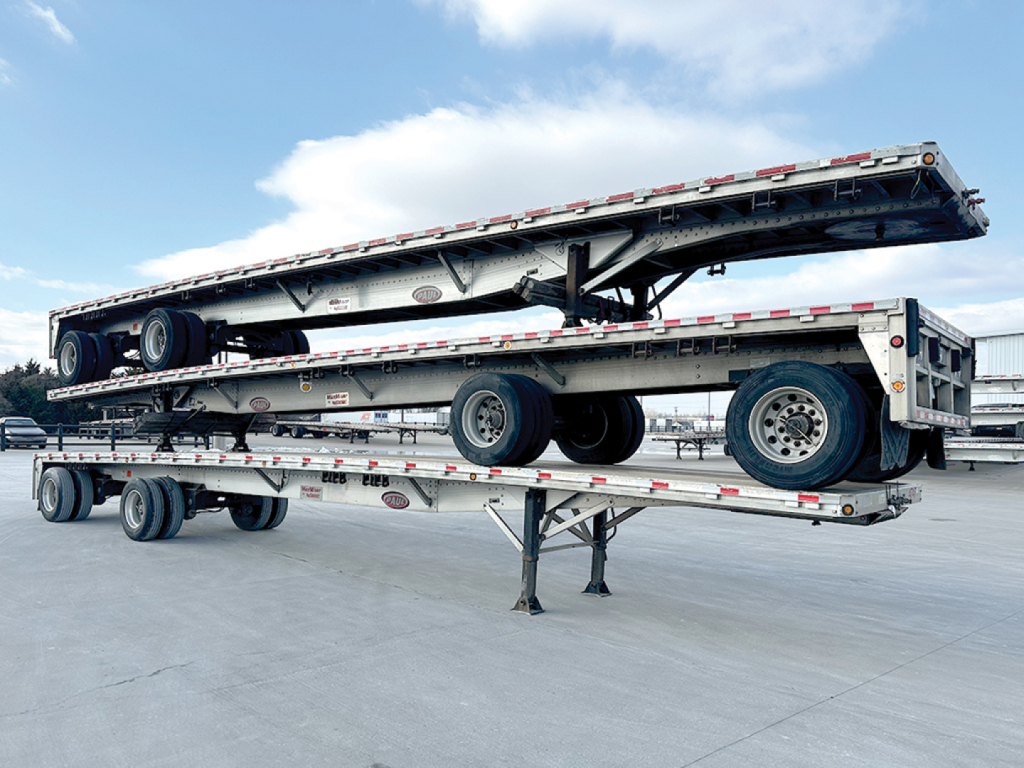
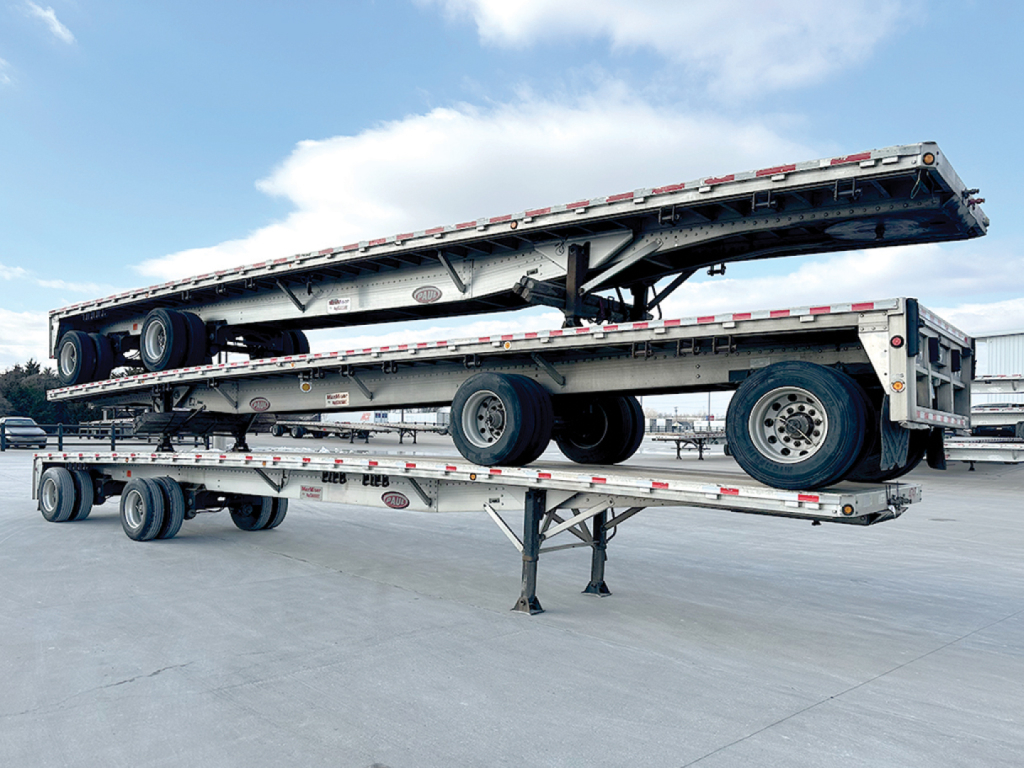
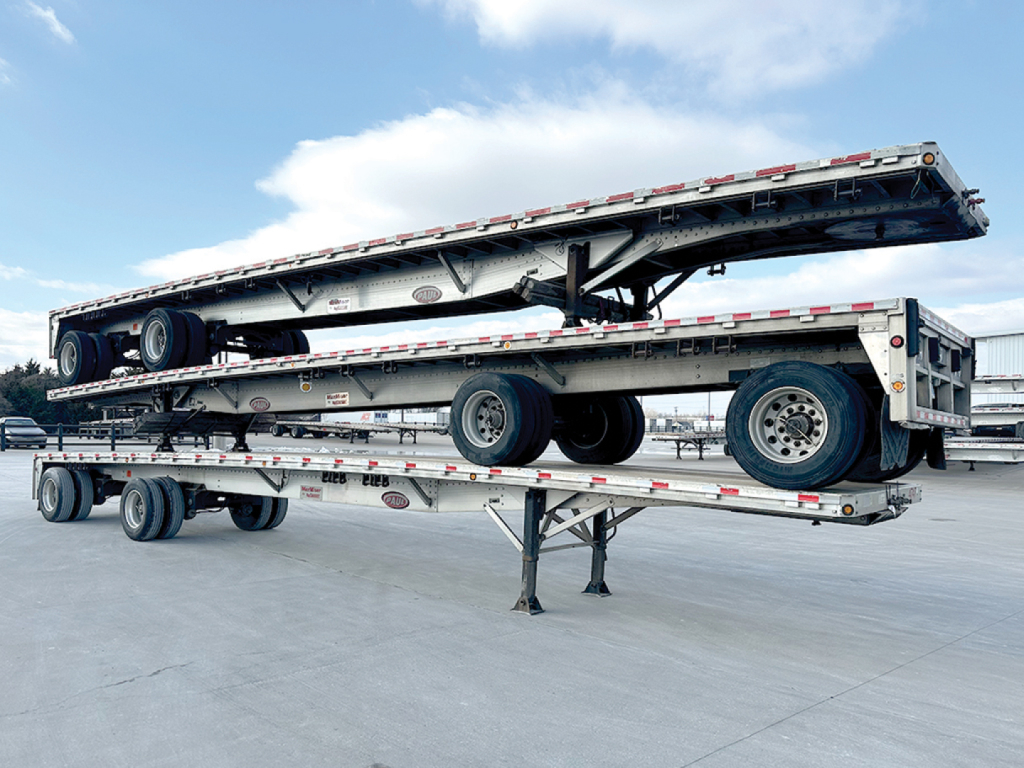
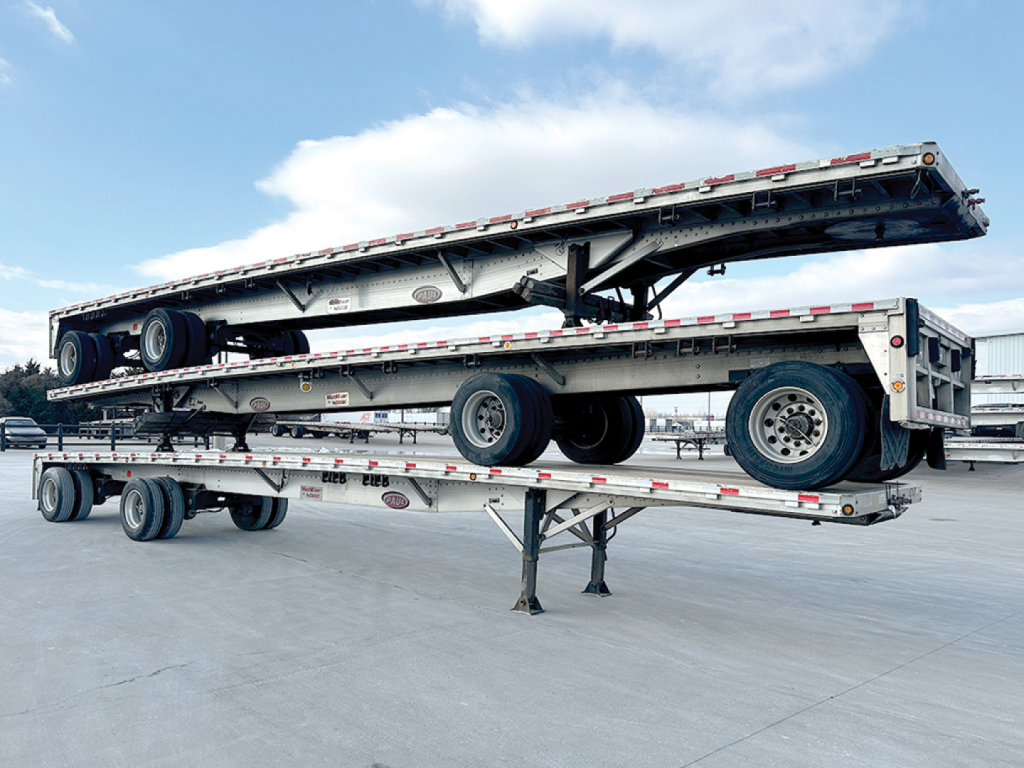
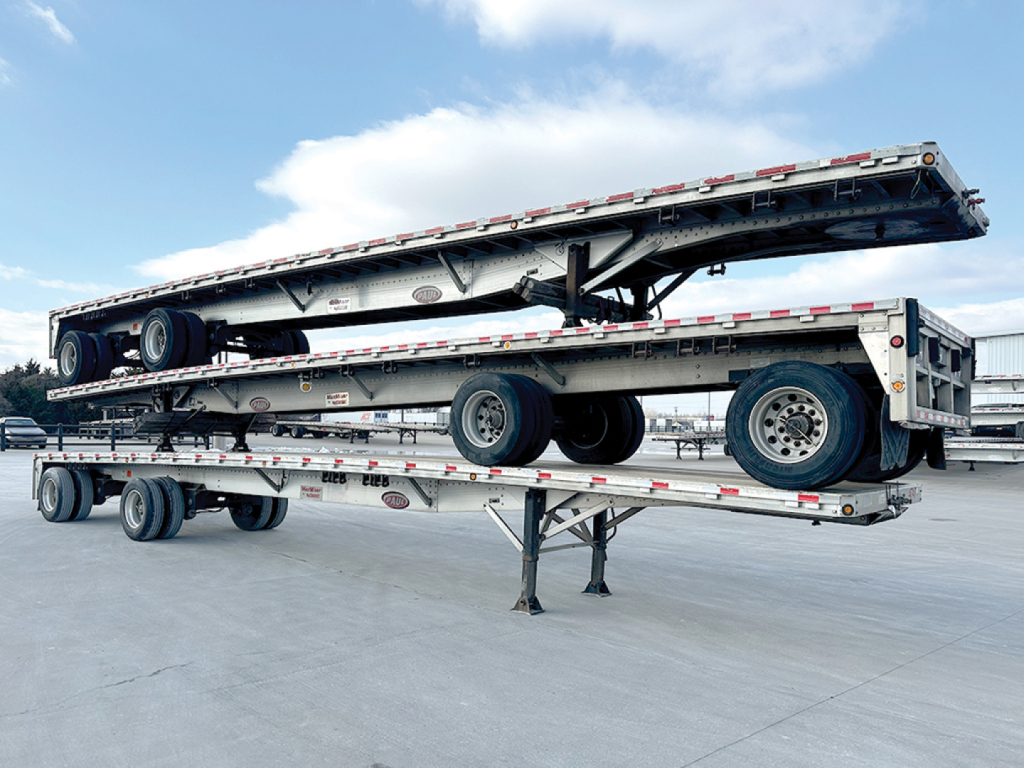
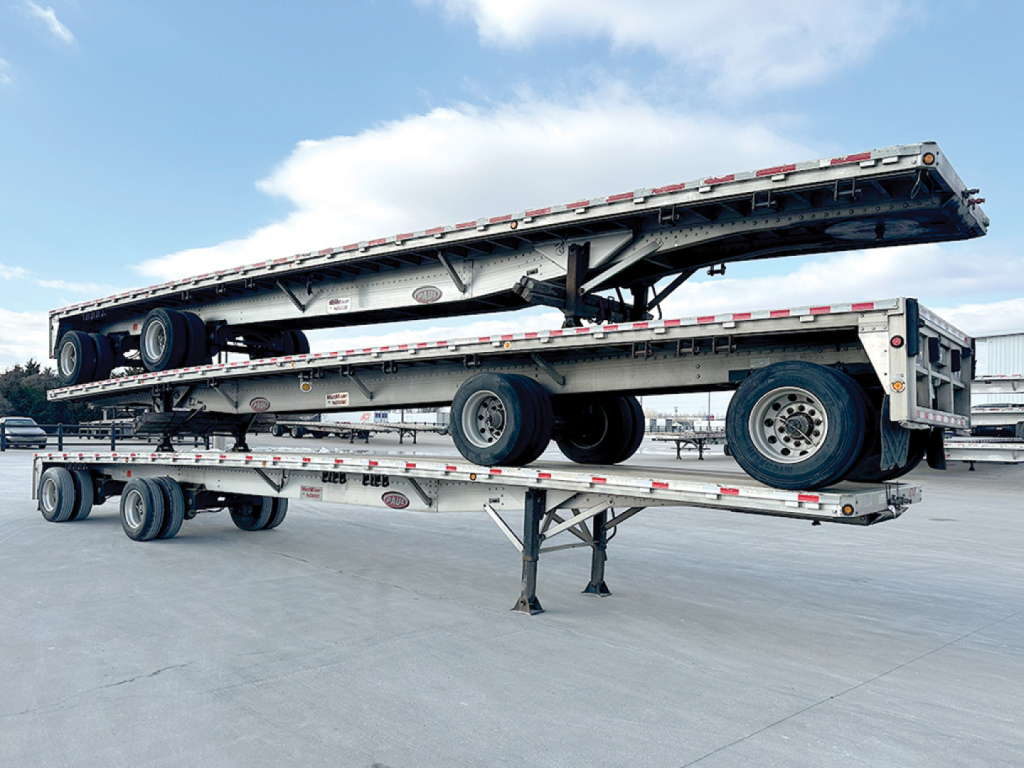
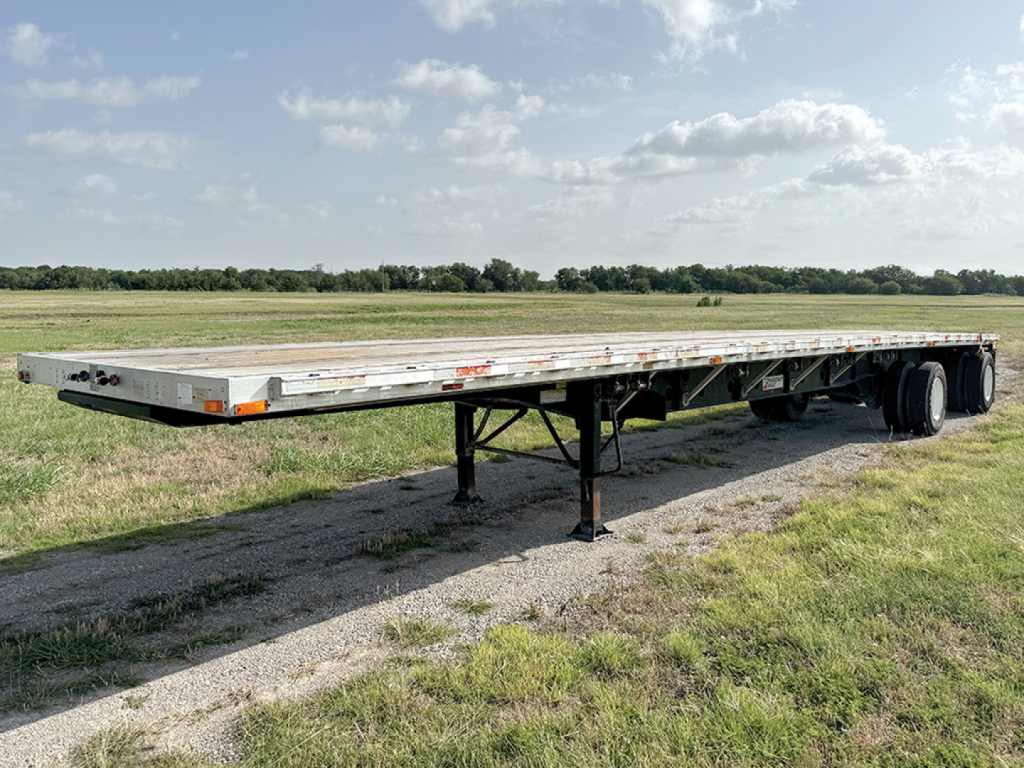
For flatbeds, drop decks, and other open-deck 2009 trailers, buyers should inspect deck condition, main beam wear, neck and flange cracking, winch track condition, and signs of concentrated load damage. Tire size, wheel type, brake setup, and suspension spec affect both maintenance cost and resale appeal. Texas operators also need to think about application fit across long highway runs, oilfield support, construction hauling, agricultural freight, and cross-border work. Trailer weight matters here. Older units can be durable, but lightweight specs often carry a premium when payload is critical.
A 2009 trailer purchase usually comes down to remaining service life versus reconditioning cost. Look at tire age, bushing wear, brake lining thickness, light and harness condition, ABS function, landing gear operation, and kingpin area wear before comparing asking prices. If the trailer has a sliding tandem, confirm the pins engage cleanly and the subframe is not damaged. If it is a refrigerated unit, verify unit performance under load rather than relying on a quick startup. Buyers who focus on structure, running gear, and application-specific specs usually make a better choice than buyers who shop by year alone.
Frequently Asked Questions
What should I inspect first on a 2009 used trailer?
Start with the frame, crossmembers, suspension, axles, brakes, and kingpin area because these components determine structural soundness and repair exposure. After that, inspect the floor, doors, roof, lights, wiring, landing gear, and tires. Cosmetic wear is common on a 2009 trailer, but structural damage, poor tandem operation, or heavy corrosion will affect uptime and total cost much more than appearance.
Is a 2009 trailer too old for regular freight service?
Not necessarily. Trailer age matters less than maintenance history, prior application, and current condition. Many 2009 trailers remain useful in regional, dedicated, storage, agricultural, and secondary route service if they have a solid frame, compliant running gear, and no major structural issues. The better question is how much service life remains after factoring in needed repairs and the type of freight being hauled.
What matters most when buying a 2009 reefer trailer?
The refrigeration unit condition is only part of the decision. Buyers should also evaluate unit hours, temperature pull-down performance, evaporator and chute condition, floor wear, door seal integrity, and any signs of insulation or lining damage. A reefer trailer from this year range can still be productive, but deferred maintenance on the box or the unit can quickly erase any purchase-price advantage.
Are 53-foot trailers the most common 2009 trailers in Texas?
Yes, 53-foot trailers are among the most common used trailer lengths in Texas, especially in van and reefer applications. A 102-inch wide, 13-foot 6-inch high trailer with sliding tandems is a familiar spec for general freight and distribution work. That said, the right choice depends on the lane, dock setup, bridge law considerations, and whether the trailer will stay in local, regional, or interstate service.
How do I judge value on a 2009 trailer?
Value comes from usable condition and spec, not just low price. Compare axle and brake condition, suspension type, floor life, tire replacement needs, tandem configuration, body integrity, and any application-specific equipment such as scuff liners or reefer components. A cheaper trailer that needs tires, brakes, floor work, and structural repair can cost more in the first year than a higher-priced trailer that is ready to work.