
2007 Trailers For Sale in Texas
Browse 2007 trailers for sale in Texas, including dry vans, reefers, lowboys, and more. Compare specs, condition, and hauling applications.
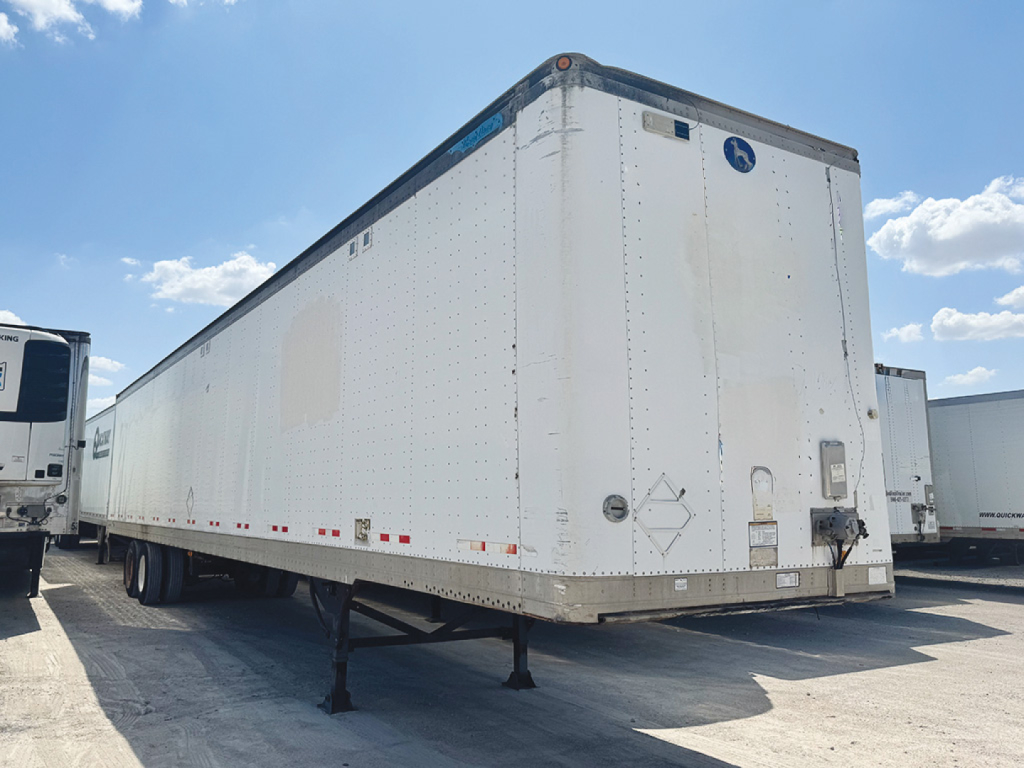
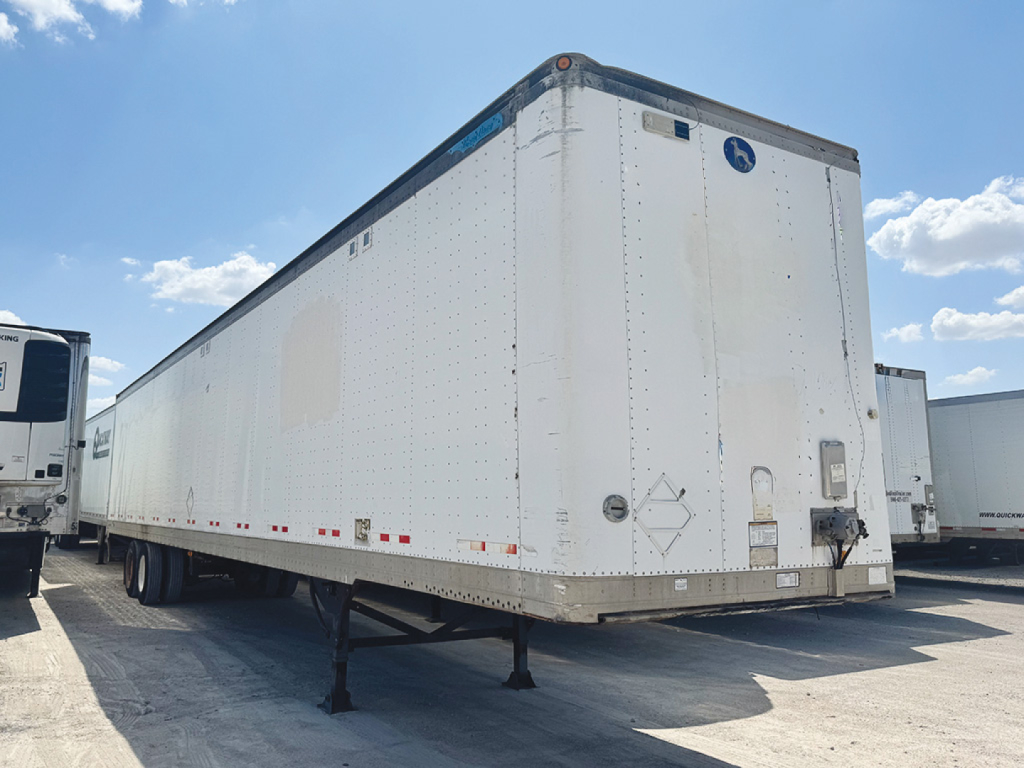
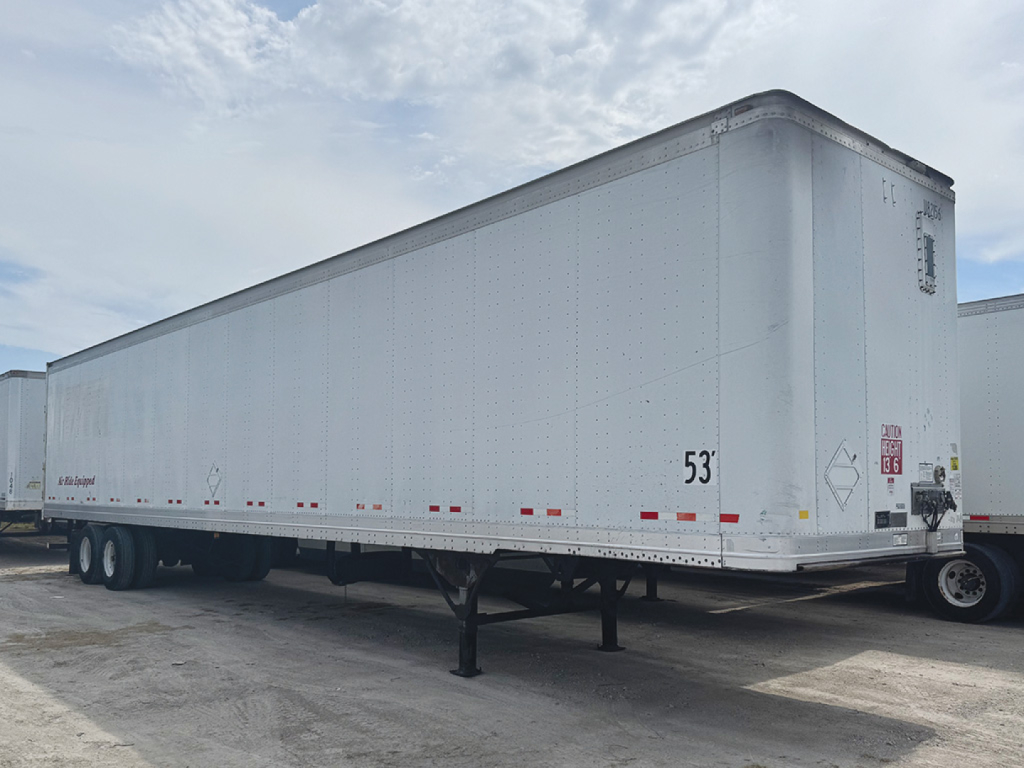

Have 2007 trailer to sell? List it here to reach thousands of buyers.
2007 Trailers in Texas
Dry vans from this era are commonly found in 48-foot and 53-foot lengths, often with 102-inch width and 13-foot 6-inch overall height. Many 2007 van trailers were spec'd with wood floors, plywood or composite linings, scuff plates, swing or roll-up doors, and sliding tandems. A buyer comparing used van trailers should pay attention to roof bow condition, crossmember repairs, floor soft spots, rear frame wear, and whether the trailer was used in dock-heavy delivery service. Features like E-track, logistic posts, liftgates, and interior lining can materially affect value depending on whether the trailer will handle LTL, final-mile freight, retail deliveries, or standard dock freight.
If the search includes 2007 refrigerated trailers, the reefer unit hours and service history are as important as the trailer body itself. Look closely at duct floors, insulation performance, door seals, front wall condition, and any signs of moisture intrusion that can reduce thermal efficiency. Buyers also need to confirm whether the refrigeration unit meets current operational needs for regional grocery, produce, or frozen freight service. On heavier hauling applications such as lowboys or equipment trailers, key checkpoints include loaded deck height, axle rating, neck and deck structure, hydraulic systems, ramp condition, and tire and suspension spec. In Texas, trailer selection often comes down to route type, weight laws, dock compatibility, and how easily the trailer can be kept productive without major near-term repair costs.
The best 2007 trailer purchase is usually the one with a clear maintenance story and a spec that fits the freight from day one. Air ride versus spring ride, disc versus drum brakes, aluminum versus steel construction, and tandem configuration all affect operating cost and resale appeal. A 2007 trailer may offer strong value for fleets adding capacity on a budget or owner-operators looking for a lower acquisition cost, but it should be evaluated like a working asset, not just an older unit. In this category, buyers who verify structural condition, maintenance records, and application fit generally make the best buy.
Frequently Asked Questions about 2007 Trailers in Texas
What should I inspect first on a 2007 used trailer?
Start with the structural items that are expensive to repair and directly affect uptime. Check the frame, crossmembers, suspension mounts, landing gear, brakes, wheel ends, tires, and air system for wear, damage, or poor prior repairs. On van and reefer trailers, inspect the floor, roof, rear frame, door seals, and tandem slider rails. Cosmetic wear is expected on a 2007 trailer, but structural fatigue, floor failure, and brake or suspension problems should weigh much more heavily in the buying decision.
Is a 2007 trailer too old for regular commercial use?
Not necessarily. A 2007 trailer can still be productive if it has been maintained properly and the specification matches the intended work. Many trailers stay in service for years beyond this age in regional hauling, storage, construction support, and dedicated lane operations. The real question is not the calendar year alone, but the trailer's maintenance history, current condition, and whether upcoming repair costs still make sense compared with a newer unit.
What trailer features matter most for Texas operations?
Texas buyers often prioritize durability, tire condition, brake performance, and heat-related wear. High temperatures can accelerate deterioration in tires, seals, wiring, reefer insulation performance, and some rubber suspension components. Length, axle spacing, suspension type, and door configuration also matter depending on whether the trailer will run urban deliveries, oilfield support, interstate freight, or agricultural lanes. A trailer that fits the route network and loading environment usually delivers better value than one with extra features that do not support the actual work.
How do I value a 2007 dry van or reefer trailer?
Value is driven by condition, body type, major components, and serviceability more than by model year alone. On a dry van, buyers typically look at floor condition, sidewall lining, roof condition, door type, tandem slider function, and overall structural soundness. On a reefer, reefer unit brand, hours, maintenance records, fuel system condition, and box integrity can shift the value significantly. Brake type, suspension, wheel material, tire condition, and add-ons like liftgates or tire inflation systems also affect market price.
What is the difference between air ride and spring suspension on older trailers?
Air ride suspension generally offers better ride quality for sensitive freight and can reduce cargo damage on rougher routes. It is common on many van and reefer applications where freight protection matters. Spring suspension is simpler and can be durable in certain vocational uses, but it usually delivers a harsher ride. On an older trailer, buyers should inspect either system carefully because worn bushings, airbags, hangers, equalizers, and related hardware can create expensive problems if ignored.