
2006 Trailers For Sale in Pennsylvania
Browse 2006 trailers for sale in Pennsylvania, including flatbed, drop deck, van, and specialty configurations for regional and over-the-road hauling.

Looking for the easiest place to sell your 2006 trailer? List it here to reach thousands of buyers.
2006 Trailers in Pennsylvania
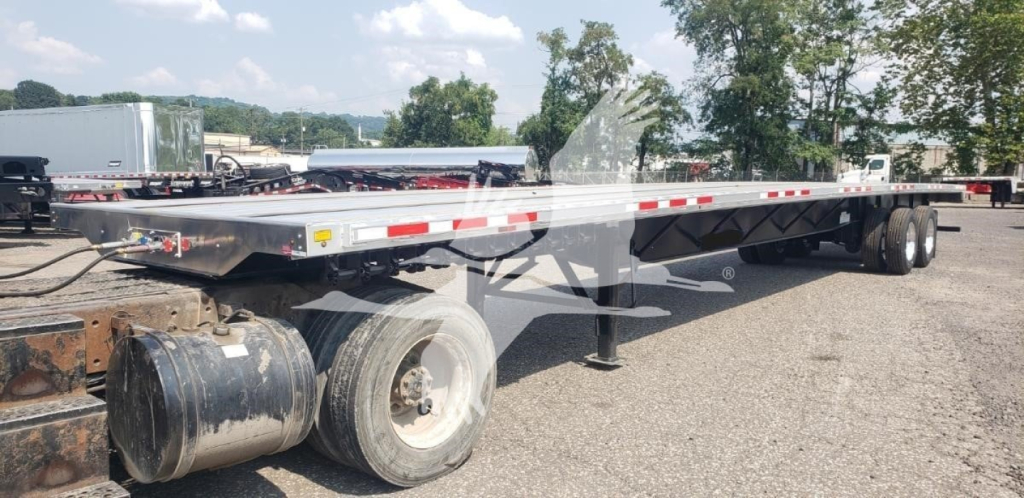
The 2006 trailer market covers a wide range of categories, including flatbeds, drop decks, dry vans, and extendables. Flatbeds from this era are commonly found in 48-foot and 53-foot lengths with steel or aluminum construction, air ride or spring ride suspensions, and either fixed or sliding tandem setups. Drop decks and extendable trailers add another layer of utility for taller or longer freight, but buyers should inspect deck height, extension lock function, concentrated load ratings, and wear points around the neck and transition area. Dry vans from this period are often chosen for storage, regional freight, or lower-cost linehaul use, and the key details are roof integrity, floor condition, door frame alignment, and evidence of water intrusion.
Spec decisions on a used 2006 trailer should be driven by freight type, route density, and maintenance capability. For steel trailers, look for rust scale, repairs around the side rail and crossmember connections, and any signs of previous welding that may indicate heavy-use service. For aluminum trailers, inspect for cracks, floor fatigue, and damage around tie-down points, pipe spools, and winch tracks. Suspension type still matters on older equipment. Air ride is typically preferred for ride quality and freight protection, while spring ride can be simpler and less expensive to maintain. Tire size, wheel material, brake setup, landing gear condition, and kingpin setting all affect operating cost and compatibility with your tractors and lanes.
For Pennsylvania buyers, axle spacing, bridge law compliance, and overall empty weight can be especially important if the trailer will run Northeast corridors with mixed freight and varying state enforcement. A 2006 trailer that has been kept structurally sound can still fill a productive role in construction supply, steel hauling, machinery transport, agricultural service, general freight, or warehouse support. The best purchase is usually the trailer with the strongest maintenance baseline and the right deck, axle, and suspension configuration for the job, not simply the lowest-priced unit on the page.
Frequently Asked Questions about 2006 Trailers in Pennsylvania
What should I inspect first on a 2006 trailer?
Start with the frame, crossmembers, suspension mounting points, brakes, and tire condition. On a 2006 trailer, structural integrity is more important than cosmetic appearance. Look closely for rust-through, cracked welds, kingpin wear, floor damage, and previous repairs around high-stress areas such as the neck, slider rails, rear impact guard, and axle connections. Electrical issues, ABS faults, and lighting problems are also common on older trailers and should be checked early.
Is a 2006 trailer too old for commercial use?
Not necessarily. A 2006 trailer can still be a sound commercial asset if it has been maintained properly and meets the requirements of the freight, route, and customer base. Many older trailers remain productive in regional hauling, construction support, agricultural work, and private fleet service. The key is verifying current condition, DOT compliance, remaining service life in major components, and whether the trailer's specs still fit your operation.
What trailer types are commonly found in the 2006 market?
The 2006 market often includes flatbeds, drop decks, dry vans, refrigerated trailers, and some specialty configurations such as extendables or machinery trailers. Flatbeds and drop decks are common because they remain useful across many freight segments and can stay in service for years when maintained. Dry vans are also widely available and are often purchased for general freight, storage, or short-haul applications. Each type should be evaluated based on structure, floor condition, axle setup, and intended cargo.
What matters most when buying a 2006 flatbed or drop deck?
Payload capacity, deck condition, tie-down equipment, axle configuration, and structural soundness are the main factors. Check the side rails, winch track, pipe spools, bulkhead area, and crossmember spacing for damage or fatigue. On a drop deck, inspect deck height, upper deck transition, and any extendable sections or locking mechanisms. Buyers moving steel, lumber, equipment, or building materials should also confirm that the trailer's weight rating and deck layout match the freight they haul most often.
Are older 2006 trailers a good fit for Pennsylvania operations?
They can be, especially for fleets and owner-operators who need a lower-cost trailer for regional work. Pennsylvania roads, weather, and winter treatment can be hard on older equipment, so corrosion and running gear condition need extra scrutiny. Buyers operating in the Northeast should also pay attention to axle spacing, suspension settings, bridge compliance, and empty weight, since those factors can affect payload and route flexibility.