
1993 Trailers For Sale in Texas
Browse 1993 trailers for sale in Texas, including dry vans, reefers, flatbeds, dumps, and specialty trailers with buyer-focused spec guidance.
Learn more
Have 1993 trailer to sell? List it here to reach thousands of buyers.
About 1993 Trailers in Texas
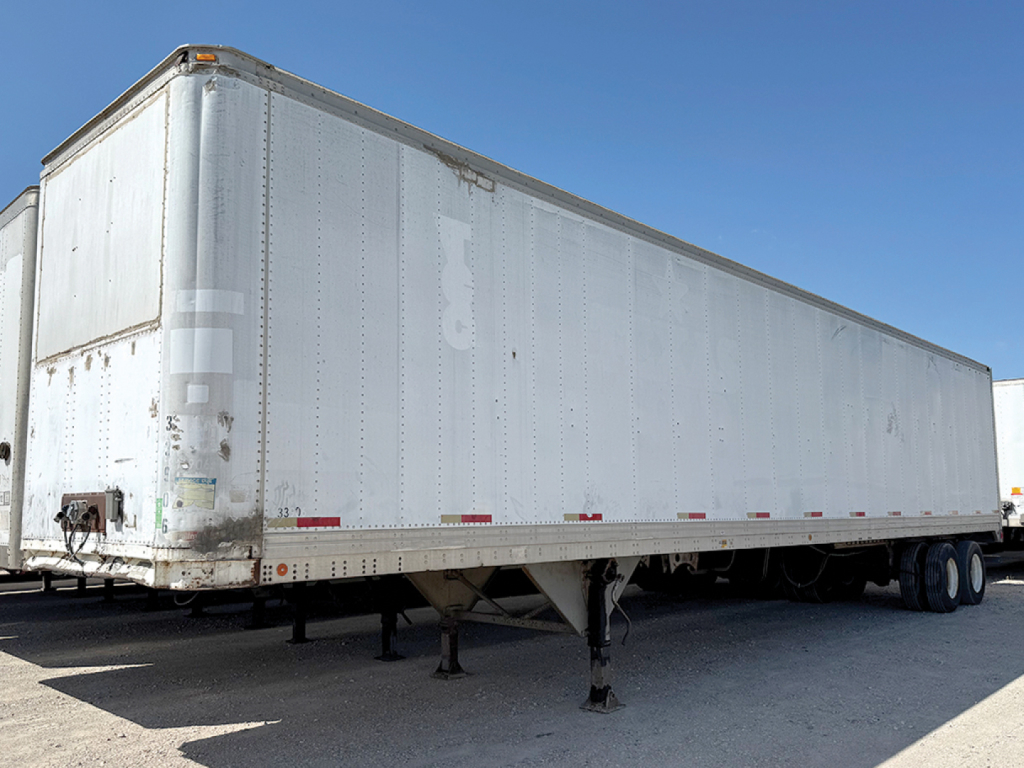
Texas operators tend to put older trailers into regional freight, farm support, construction, oilfield support, storage service, and short-haul dedicated lanes. On a 1993 van or reefer, common checkpoints include roof condition, sidewall repairs, floor wear around forklift traffic zones, rear frame integrity, door seal fitment, and tandem slide operation. On a 1993 flatbed or drop deck, buyers usually focus on crossmember condition, cracked welds, tire wear patterns, suspension bushing wear, landing gear operation, and deck replacement history. If the trailer has air ride, spring ride, spread axle, or sliding tandem, those details affect both ride quality and how well the trailer fits the intended route and payload.
For refrigerated trailers from this era, the trailer body and the reefer unit should be evaluated as separate assets. Many older reefers have had replacement units, floor repairs, updated doors, or patched insulation areas over the years. A heavy duty duct floor, scuff liners, e-track, stainless rear frame components, and a clean interior can add real value if the trailer is going back into produce, dairy, or food distribution service. For dry vans, interior dimensions, logistic posts, e-track layout, roll-up versus swing doors, and threshold plate condition matter more than cosmetics. For open-deck and construction trailers, look closely at kingpin wear, neck structure, axle alignment, brake condition, apitong or oak decking, and any signs of frame twist from overload use.
A 1993 trailer purchase usually makes the most sense when the buyer has a clear use case and a realistic maintenance budget. In Texas, heat, long mileage, and mixed road conditions make tires, brakes, hubs, air system integrity, and electrical reliability especially important on older equipment. VIN verification, title status, FMVSS compliance items, and measurable brake and tire life should be part of the buying process. The best older trailers are often the ones with straightforward specs, visible maintenance, and enough remaining structural life to justify refurbishment or immediate work.
Frequently Asked Questions
Is a 1993 trailer too old for commercial use?
Not necessarily. A 1993 trailer can still be commercially useful if the frame, suspension, axles, brakes, floor, and electrical system are in serviceable condition and the trailer meets the requirements of the operation. Age alone does not determine value. Structural condition, maintenance records, prior repairs, and the cost to bring the trailer up to operating standard matter more than the model year.
What should I inspect first on a 1993 used trailer?
Start with the structure and running gear. Check the main rails, crossmembers, kingpin area, suspension hangers, axle alignment, brake components, wheel ends, tires, and landing gear. Then inspect the floor, roof, doors, lights, air lines, and wiring. On reefers and vans, look for water intrusion, floor damage from forklift traffic, rear frame corrosion, and signs of prior accident repair. A solid structure is usually more important than cosmetic appearance.
Are older 1993 reefer trailers still worth buying?
They can be, but buyers should evaluate the insulated body and refrigeration unit separately. An older reefer trailer may have a usable body with a replacement unit, or a good unit on a body that needs floor and door work. Check insulation performance, floor condition, door seal integrity, bulkhead or chute components, and service records for the refrigeration system. If the trailer is intended for strict food-grade service, interior condition and temperature control consistency are critical.
What trailer types are common in the 1993 used market?
Buyers can find 1993 dry vans, refrigerated trailers, flatbeds, drop decks, dump trailers, lowboys, and other specialty trailers depending on the region and prior use. In Texas, older trailers often show up in freight, agriculture, construction, oilfield, and storage applications. The right type depends on cargo, loading method, legal weight targets, and how much refurbishment the buyer is prepared to handle.
Why do suspension and axle setup matter so much on an older trailer?
Suspension and axle configuration affect tire life, ride quality, maintenance cost, and how the trailer performs under load. On an older trailer, worn bushings, misalignment, weak air bags, fatigued spring components, and neglected wheel ends can quickly turn a low purchase price into a high repair bill. Sliding tandems, spread axles, spring ride, and air ride all have different service and application advantages, so the setup should match the freight and route requirements.