
1986 Trailers For Sale
Browse 1986 trailers for sale, including van, flatbed, belt, and specialty models with buyer-focused guidance on specs, condition, and applications.
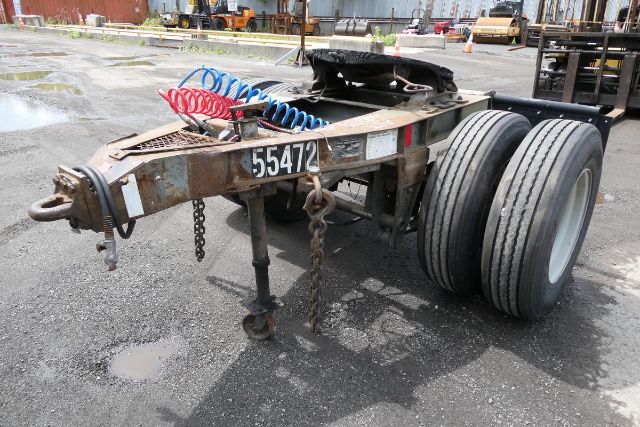
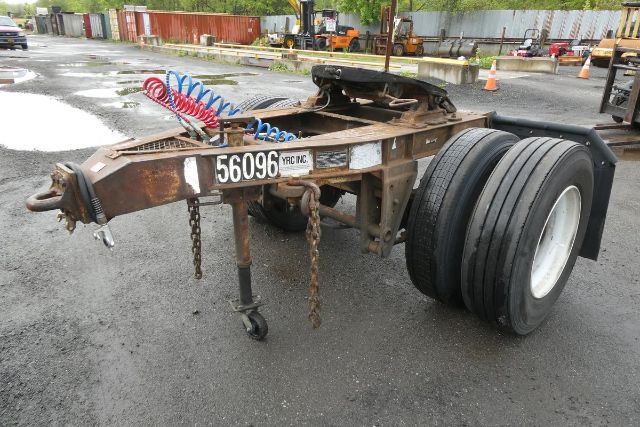
Selling a 1986 trailer? List your 1986 trailer for sale and reach thousands of commercial buyers.
1986 Trailers
The first decision is trailer type. A 1986 dry van, also known as a van trailer or enclosed freight trailer, is typically evaluated for roof condition, floor wear, rear frame integrity, door operation, and any lining such as plywood or scuff protection. A 1986 flatbed trailer is usually judged by deck condition, crossmember spacing, side rail integrity, winch track setup, kingpin area wear, and axle placement. Belt trailers and other specialty units need closer inspection of moving components, including belts, rollers, chains, hydraulic or mechanical drive systems, liners, and discharge assemblies. On any older trailer, suspension type, brake setup, wheel end condition, and axle alignment matter as much as the body itself.
Common specs on trailers from this era vary by application, but buyers will often see tandem axle configurations, air ride or spring suspension, 48-foot or 53-foot lengths on road trailers, 102-inch widths on later-compliant units, and steel, aluminum, or mixed construction. Weight is a major consideration. Aluminum flatbeds and vans can still offer a payload advantage, while older steel trailers may trade lighter cost for heavier tare weight. It is also important to confirm practical details such as kingpin setting, sliding tandem function, tire size, wheel type, brake percentage, landing gear condition, lighting updates, and any retrofits like tire inflation systems, liftgates, roll-up doors, scuff liners, E-track, or tarp systems.
For most buyers, the real value in a 1986 trailer comes down to serviceability. Check for corrosion at crossmembers and rear sills, cracks around suspension hangers, patched floors, uneven tire wear, outdated brake components, and signs of frame repairs. Verify VIN and title status, and compare the trailer’s current spec to the freight or jobsite work it will actually handle. A well-maintained older trailer can still be a solid low-cost asset for regional freight, storage, farm use, vocational hauling, or dedicated lane work, provided the structure, legal dimensions, and major components support the intended operation.
Frequently Asked Questions about 1986 Trailers
What should I inspect first on a 1986 trailer?
Start with the frame, suspension mounts, crossmembers, floor, brakes, and wheel ends. Structural condition matters more than appearance on an older trailer. Look closely for rust-through, cracked welds, bent rails, patched floors, and wear around the kingpin and landing gear mounts. After that, inspect axle alignment, tire wear, brake condition, lights, and door or tarp operation depending on trailer type.
Is a 1986 trailer too old for commercial use?
Not necessarily. Age alone does not make a trailer unusable. Many older trailers remain productive if they have been maintained properly and meet current operating needs. The key is whether the trailer can pass inspection, carry the required payload, and operate safely without excessive repair cost. Buyers should evaluate maintenance history, component updates, and structural integrity before making a decision.
What trailer types are most common in older model years like 1986?
Flatbed trailers, dry vans, and vocational trailers are common in older model years because they have relatively straightforward designs and long service lives. Flatbeds often remain useful in agricultural, construction, and regional steel or building material work. Dry vans may continue in lighter freight, local storage, or dedicated shuttle service. Specialty trailers such as belt trailers or moving vans can also stay in operation if the mechanical systems and body structure have been maintained.
How important is trailer material on a 1986 model?
Material has a direct effect on tare weight, corrosion resistance, and repair strategy. Aluminum trailers typically offer lighter empty weight and better resistance to rust, which can help preserve payload. Steel trailers may be heavier but can be simpler and less expensive to repair in some applications. Mixed-composition trailers are also common, with steel in stress areas and aluminum in body panels or deck components. On an older trailer, actual condition matters more than material alone.
Can an older trailer still be a good value buy?
Yes, if the purchase price leaves room for any immediate repairs and the trailer fits the job. Older trailers can make sense for seasonal use, farm operations, local hauling, storage, or fleets that need a lower-cost backup unit. The best value comes from a trailer with sound structure, legal dimensions, serviceable brakes and tires, and a configuration that matches the freight. A cheap trailer with major frame or suspension issues usually becomes expensive very quickly.