
Tag Trailers For Sale in Ohio
Shop tag trailers for sale in Ohio. Compare 25-ton and heavy equipment tag trailers with ramps, beavertails, pintle hitches, and tri-axle setups.
Learn moreBrowse Tag Trailers by Make
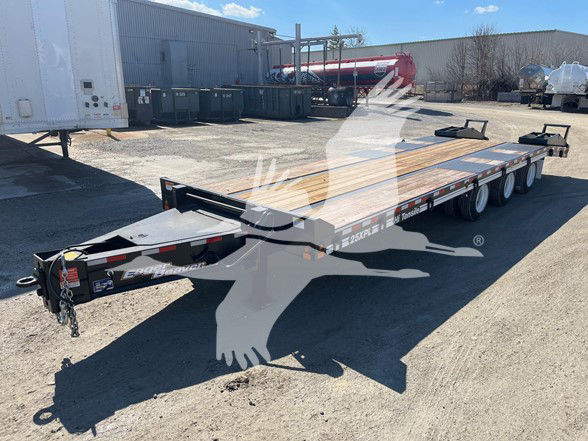
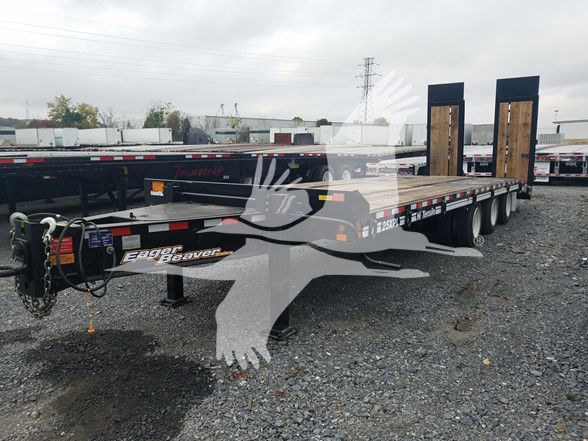
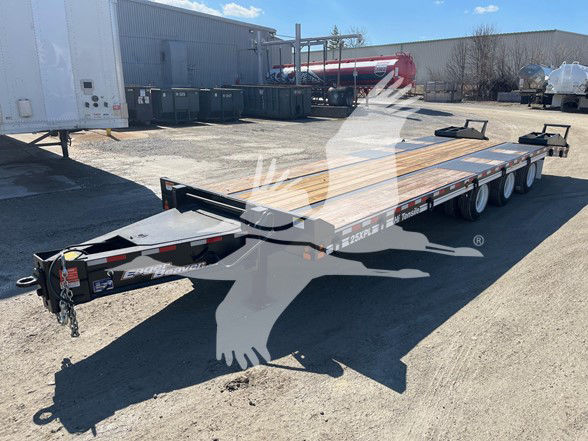
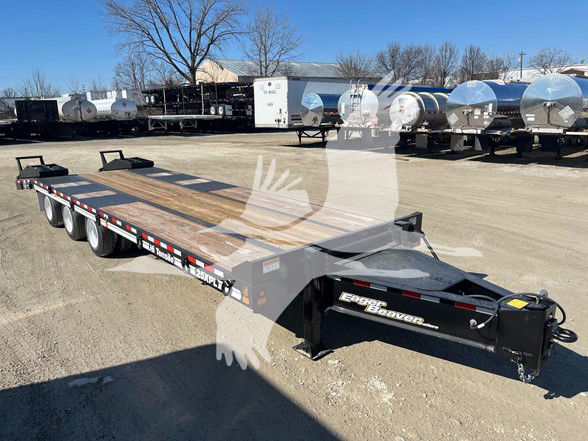
Have tag trailer to sell? List it here to reach thousands of buyers.
About Tag Trailers in Ohio
A typical heavy equipment tag trailer in this class is built with a steel frame, wood deck, fixed axles, and a beavertail with spring-assisted or angle-iron ramps. Common specs include 102-inch overall width, deck lengths in the mid-20-foot range, overall lengths around the upper-30-foot range, and 20-ton to 25-ton ratings, though lighter and heavier versions are available. Tri-axle layouts are popular when buyers need higher payload and better weight distribution, while suspension choice matters for both durability and ride quality. Spring ride remains common for simplicity and lower maintenance, but some tag trailers use air-assist or lift axle configurations to help with tire wear, maneuverability, and bridge compliance. Buyers should also pay attention to loaded deck height and beavertail angle, especially if the fleet regularly loads low-clearance machines.
The details that separate one tag trailer from another are usually in the loading and securement package. Look closely at ramp capacity, ramp length, traction surface, and the transition from deck to beavertail. A shallower load angle is easier on pavers, trenchers, and machines with small solid tires. D-ring count and placement matter if the trailer will carry mixed equipment, attachments, or odd-shaped loads. Flooring is another practical decision. Apitong and other hardwood deck surfaces hold up well under steel tracks and concentrated wheel loads, while steel side rails, bulkheads, lockable tool storage, adjustable pintle height, spring brakes on all axles, and ABS are all features that improve day-to-day usability and compliance. Tire size, axle rating, and brake spec should be matched to the actual machine mix, not just the heaviest unit on paper.
For Ohio buyers, it also makes sense to think about seasonal conditions, corrosion exposure, and route profile. Road salt, short-haul stop-and-go work, and frequent loading on uneven ground all put stress on brakes, wiring, suspension, and deck fasteners. A tag trailer used in excavation or utility work should be evaluated for frame reinforcement, lighting protection, crossmember spacing, and ease of service. If the trailer will move between counties, cities, and private jobsites, an adjustable pintle setup and durable landing gear can make hookups faster across multiple tow vehicles. The best tag trailer is the one sized to your actual equipment fleet, with enough margin in capacity, securement, and ramp design to handle daily use without overbuying into a heavier trailer that adds unnecessary tare weight.
Frequently Asked Questions
What is a tag trailer used for?
A tag trailer is used to haul equipment behind a pintle-equipped truck or tractor, most often on regional and local routes. Common loads include skid steers, compact excavators, rollers, small dozers, telehandlers, attachments, and general construction equipment. Tag trailers are valued for simple loading, straightforward maintenance, and lower acquisition cost compared with more specialized heavy haul trailer types.
What capacity tag trailer do I need?
The right capacity depends on the operating weight of the machine, attachments, fuel, and any tools or materials carried with it. Many buyers in this category look at 20-ton to 25-ton trailers for medium-duty equipment hauling, but the correct choice should include a safety margin and account for axle ratings, tire ratings, and legal weight distribution. Buying strictly to the listed machine weight can leave too little reserve for real-world loading conditions.
Why does beavertail and ramp angle matter on a tag trailer?
Beavertail length and ramp angle directly affect how easily equipment can be loaded without dragging or high-centering. Machines with low ground clearance, small tires, long wheelbases, or delicate undercarriage components benefit from a shallower approach angle. A better loading angle improves speed at the jobsite, reduces operator frustration, and lowers the chance of damage to the machine or trailer during repeated loading cycles.
Is a tri-axle tag trailer better than a tandem axle model?
A tri-axle tag trailer is often the better fit when payload requirements are higher and weight distribution is more critical. The extra axle can improve carrying capacity and reduce stress per axle, but it also adds tires, brakes, and maintenance points. Tandem axle models may be sufficient for lighter equipment and can be simpler to maneuver and maintain, so the better choice depends on the actual weight and duty cycle of the fleet.
What should I inspect first on a used tag trailer?
Start with the frame, neck, beavertail, ramp pivots, suspension hangers, brakes, tires, wheels, and deck condition. Check for elongated holes, cracked welds, uneven tire wear, brake issues, corrosion around wiring and lights, and signs of repeated overloading near the axle group and rear transition. Securement hardware, pintle adjustment components, and landing gear should also be inspected closely because those parts see constant wear in construction and equipment hauling service.