
Peterbilt Conventional Sleeper Trucks For Sale in Illinois
Browse Peterbilt conventional sleeper trucks in Illinois. Compare 389 and similar long-hood sleepers by engine, sleeper size, wheelbase, and driveline.
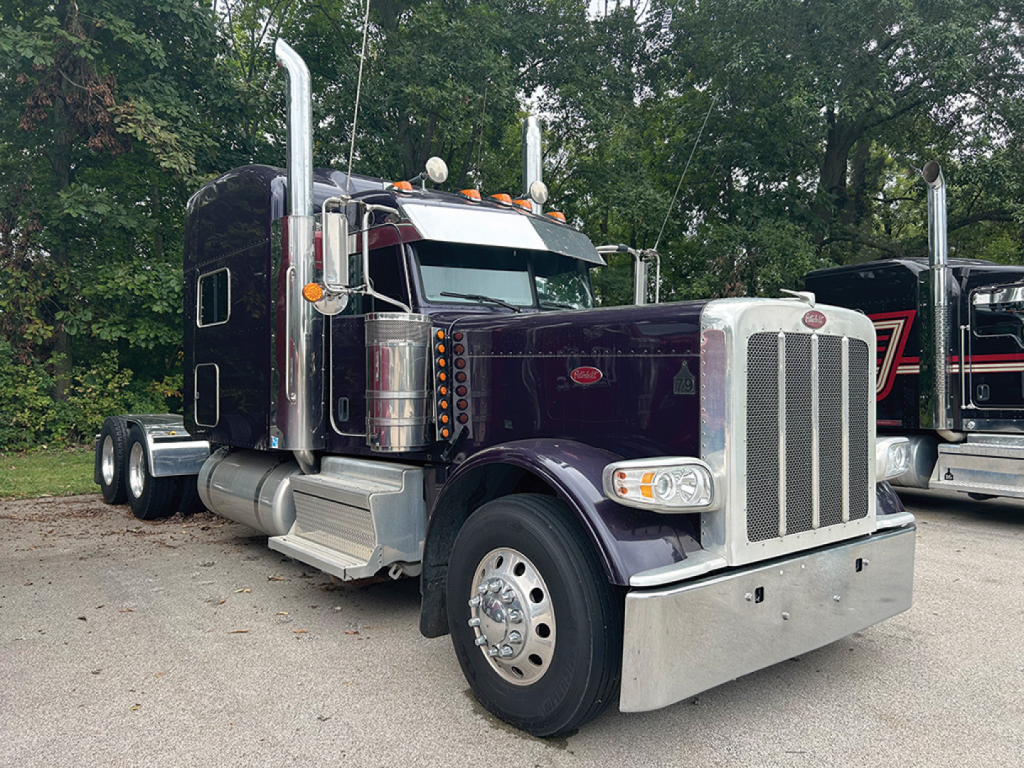
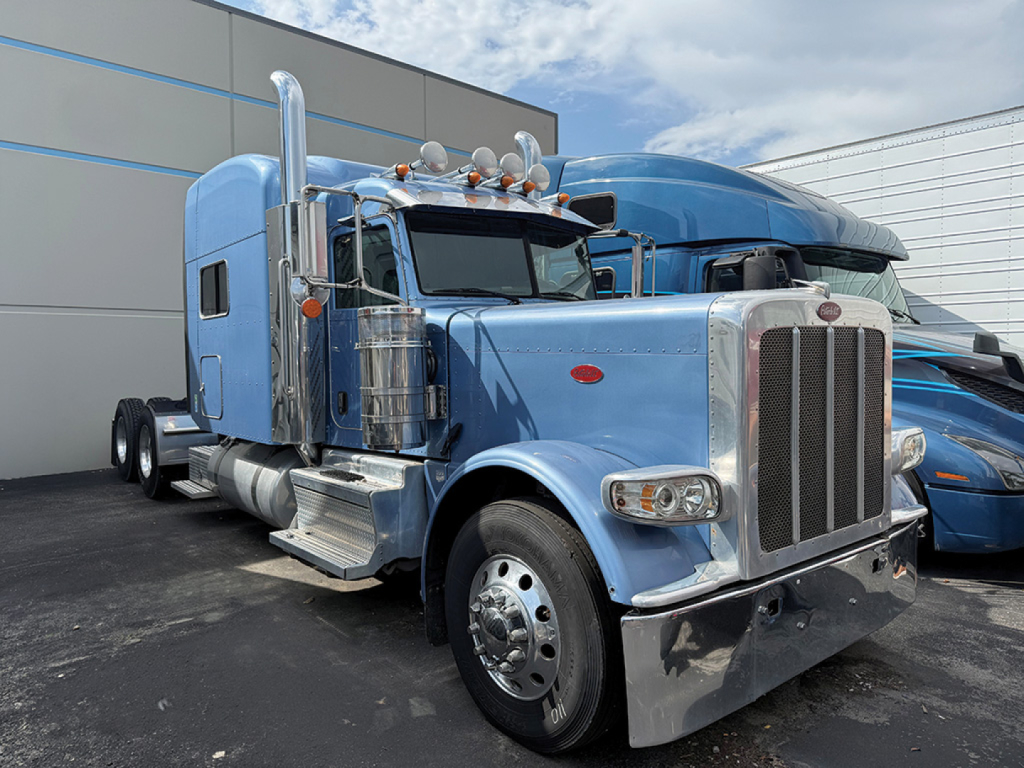
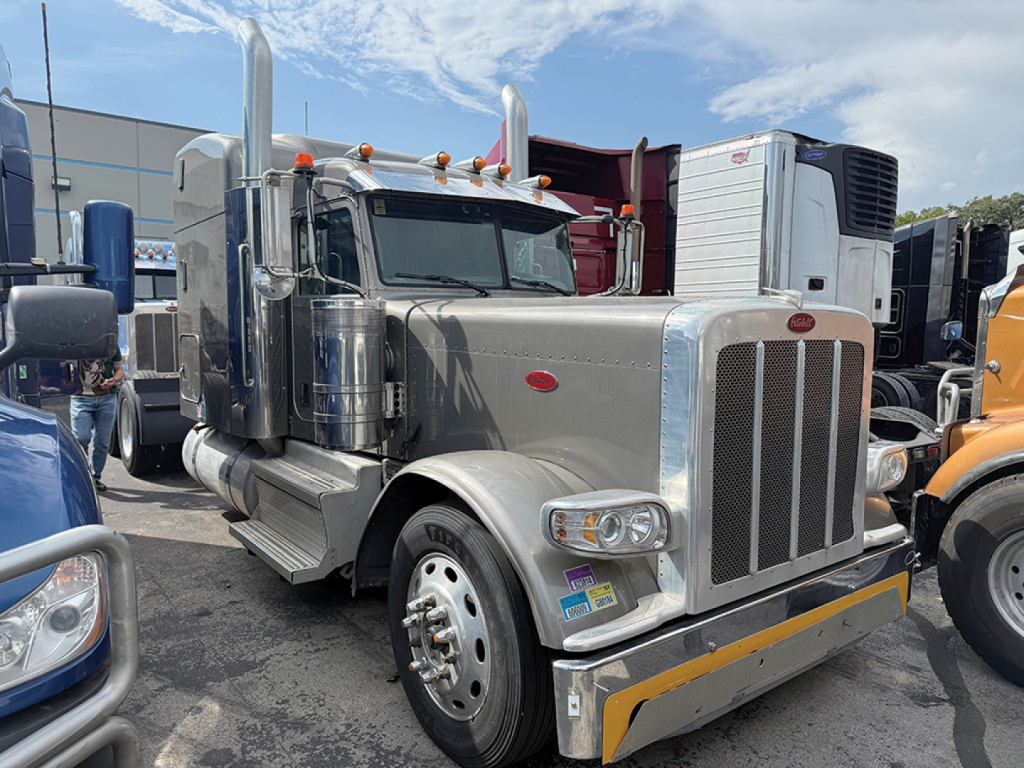
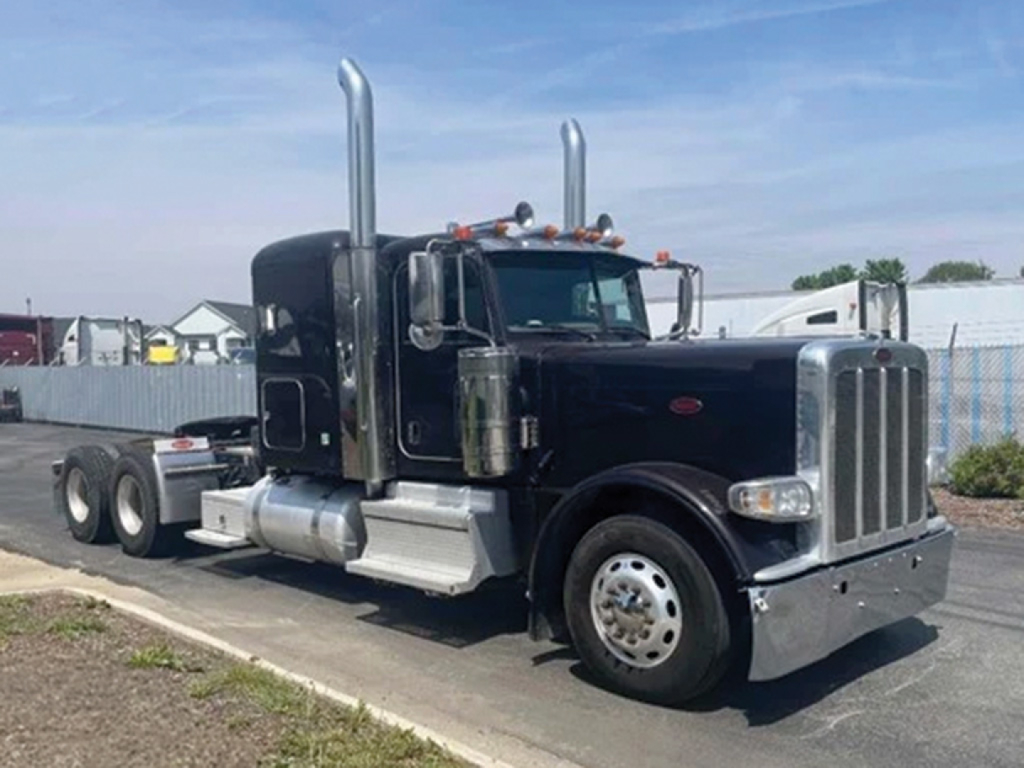
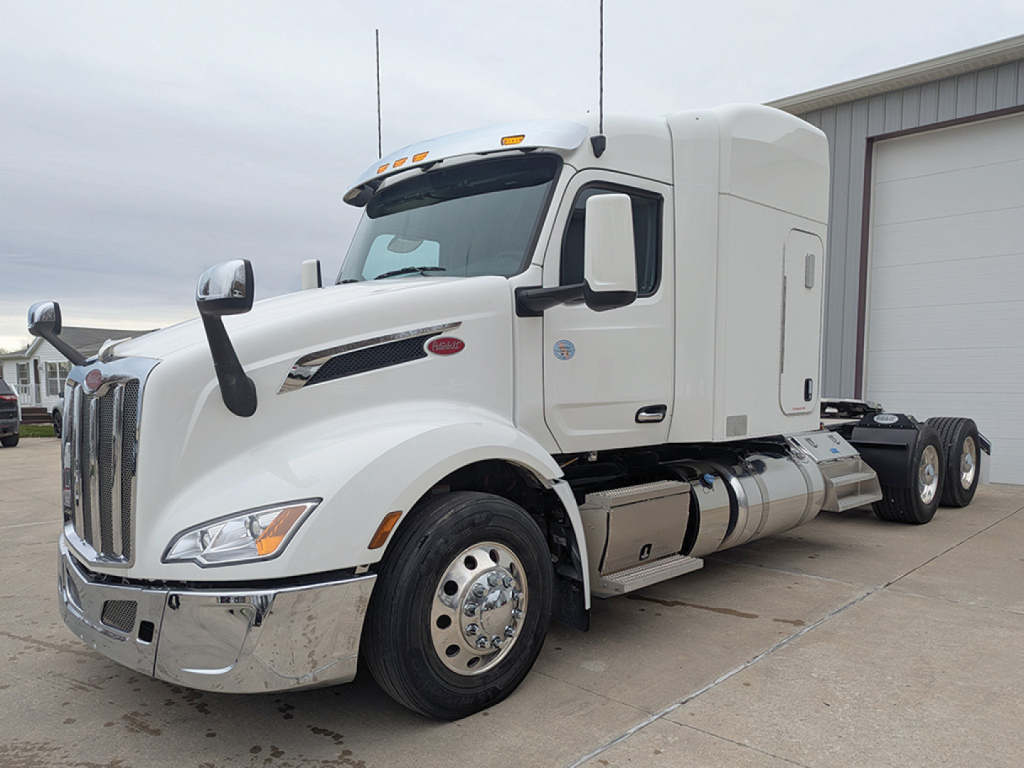
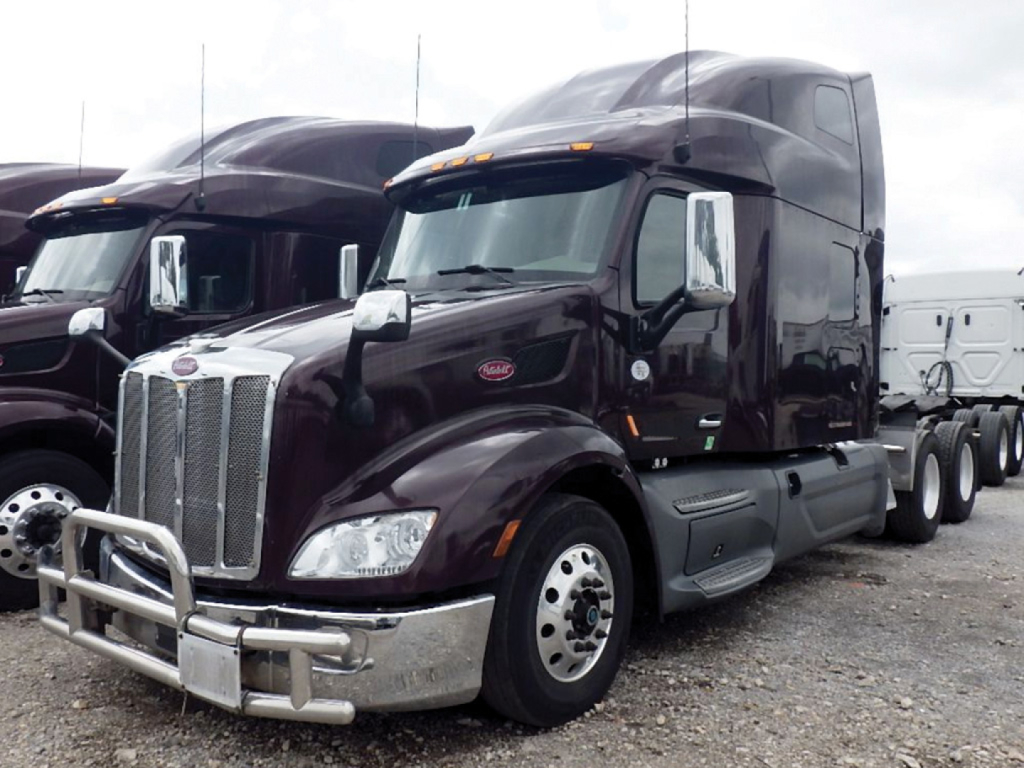

Looking for the easiest place to sell your peterbilt conventional sleeper truck? List it here to reach thousands of buyers.
Peterbilt Conventional Sleeper Trucks in Illinois
A lot of buying decisions in this category come down to drivetrain and wheelbase. Peterbilt 379 and 389 models are common reference points, often paired with Cummins or Caterpillar power on older units and manual transmissions such as 13-speed or 18-speed boxes. Buyers comparing trucks should look closely at horsepower, torque rating, rear axle ratio, suspension type, and rear axle capacity. A 3.55 ratio with tall rubber can suit highway speed and fuel economy, while deeper ratios may fit heavier loads or more stop-and-go work. Wheelbase affects bridge compliance, trailer swing clearance, ride quality, and how the truck carries accessories like headache racks, larger tanks, or PTO equipment.
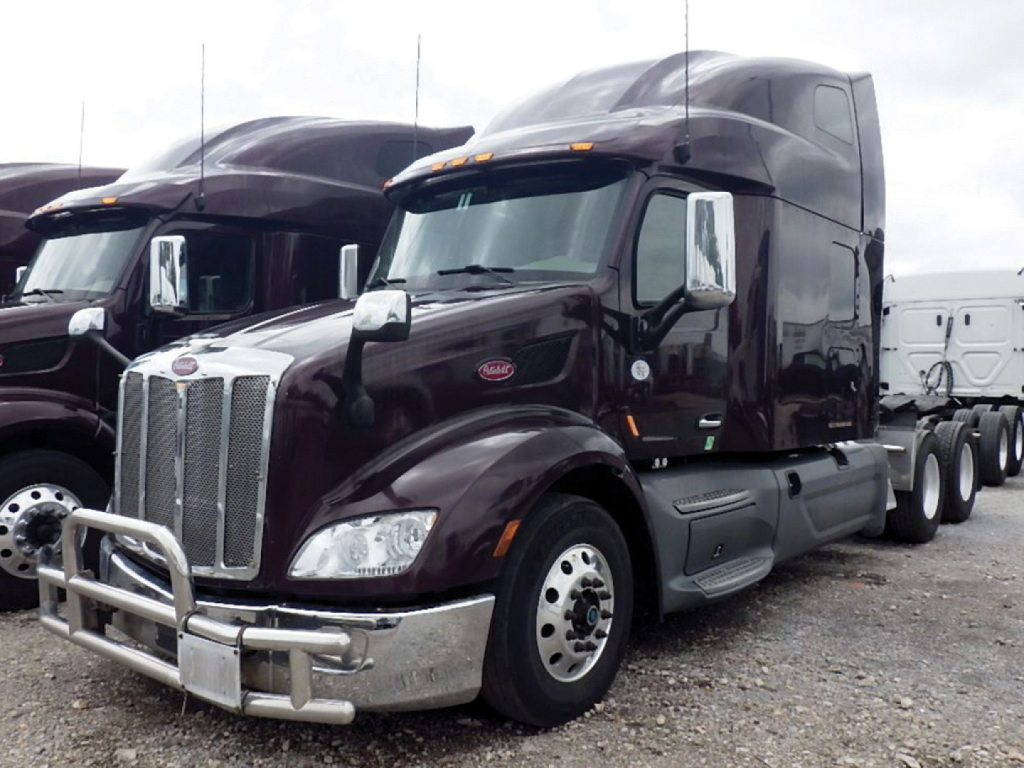
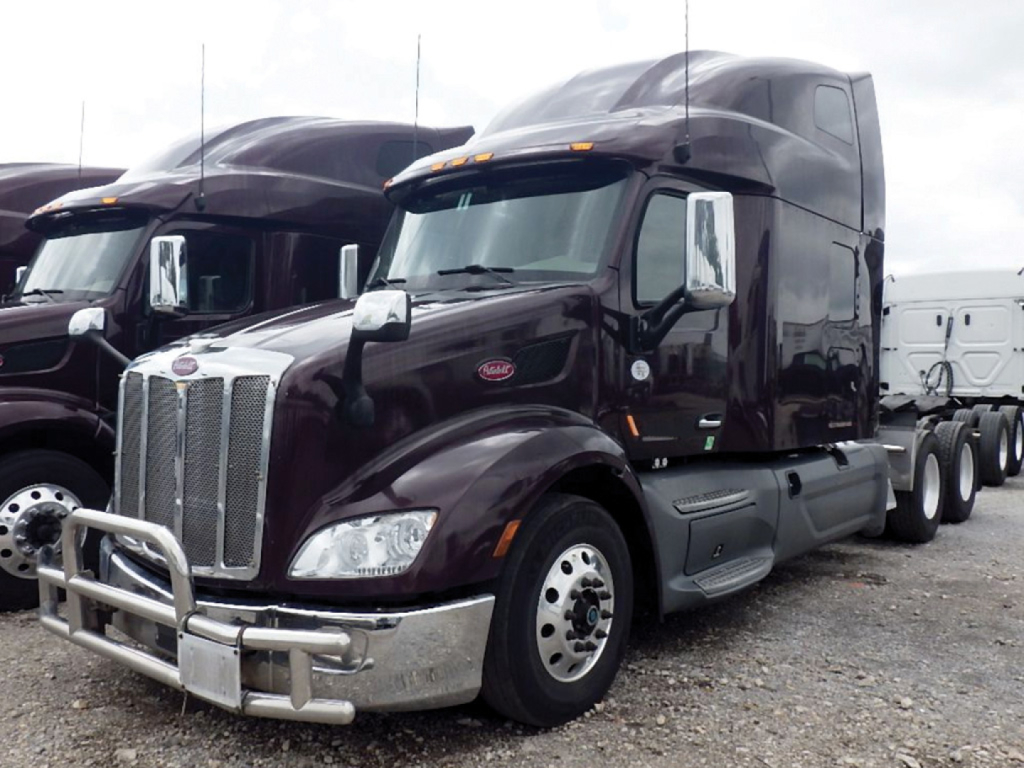
Sleeper configuration is just as important as engine specs. Peterbilt Unibilt stand-up sleepers in the 63-inch to 70-inch range are common on over-the-road trucks because they provide practical living space without pushing wheelbase too far. Pay attention to bunk layout, cabinet condition, HVAC performance, insulation, inverter setup, and idle management equipment if the truck will stay out for extended runs. Interior wear, door seals, dash condition, and sleeper-to-cab integrity can tell you a lot about how the truck was used and maintained. On older conventionals, chrome and exterior trim may add curb appeal, but the real value is in the frame condition, wiring quality, air system health, and documented engine and transmission work.
For Illinois buyers, rust and corrosion deserve a careful inspection because trucks that have seen winter roads can show scale on frames, crossmembers, battery boxes, cab mounts, fuel tank straps, and air tanks. Check steer axle set-back, kingpin setting compatibility with your trailers, fifth wheel travel, and any air-slide function if trailer mix changes from job to job. A solid Peterbilt conventional sleeper should be evaluated as a complete operating package, not just by mileage or appearance. Service records, overhead history, clutch life, emissions status where applicable, and tire and brake condition will tell you more about near-term operating cost than polished tanks or a dressed-up bumper ever will.
Frequently Asked Questions about Peterbilt Conventional Sleeper Trucks in Illinois
What is a Peterbilt conventional sleeper truck best suited for?
A Peterbilt conventional sleeper truck is best suited for long-haul and regional operations that require overnight capability, higher fuel capacity, and a driver-friendly cab layout. These trucks are commonly used in van, reefer, flatbed, livestock, grain, and specialized trailer applications. The sleeper adds rest space and onboard storage, while the conventional hood design gives easier engine access than a cabover platform.
What should I check first on a used Peterbilt 389 or similar sleeper truck?
Start with the engine, transmission, rear axle ratio, wheelbase, and service history. Those items determine whether the truck matches your freight and operating speed. After that, inspect frame condition, suspension wear, fifth wheel operation, tire and brake life, sleeper HVAC, wiring repairs, and signs of rust or corrosion. On older long-hood Peterbilts, cosmetic condition can be misleading, so mechanical records and a thorough undercarriage inspection matter more than polished trim.
How do sleeper size and wheelbase affect usability?
Sleeper size affects driver comfort, storage, and how long the truck can stay out before returning to base. Wheelbase affects turning radius, bridge law flexibility, ride quality, and trailer clearance. A larger sleeper and longer wheelbase can improve highway comfort, but they may reduce maneuverability and limit flexibility in tighter terminals or urban delivery points. Buyers should match sleeper length and chassis layout to the lanes they actually run.
Are manual transmissions still common in Peterbilt conventional sleepers?
Yes, especially on older Peterbilt conventional sleepers. Manual 13-speed and 18-speed transmissions remain common on trucks used in heavy haul, flatbed, or owner-operator applications where drivers want direct control over gear splits and engine speed. Automated manual transmissions are more common on newer highway trucks, but many buyers still prefer a manual on classic-spec Peterbilts for durability, drivability, and ease of matching the truck to varied load weights.
Why does rear axle ratio matter on a sleeper truck?
Rear axle ratio affects cruise RPM, fuel economy, launch performance, and gradeability. A numerically lower ratio such as 3.36 or 3.55 is usually chosen for highway work and better fuel mileage at road speed. A deeper ratio can help with heavier freight, more frequent starts, or rougher terrain, but it may increase RPM at cruise. The correct ratio depends on engine torque, transmission gearing, tire size, and the gross weights the truck is expected to pull.