
Used Parts For Sale in New York
Browse used truck parts in New York, including engines, cabs, hoods, rear axles, doors, and drivetrain components for many makes.
Learn more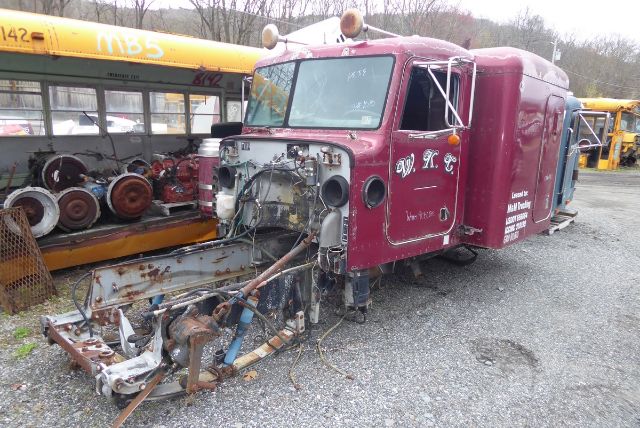
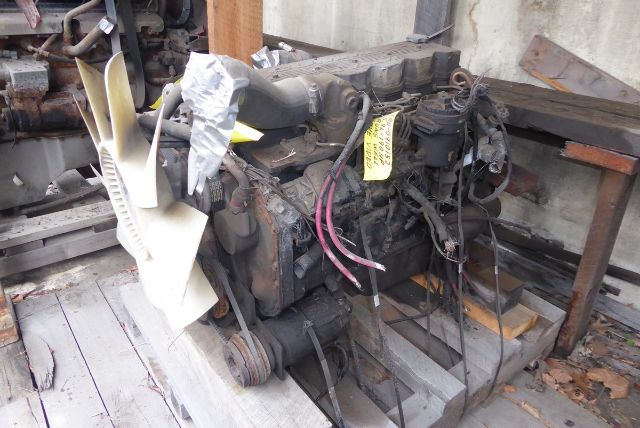
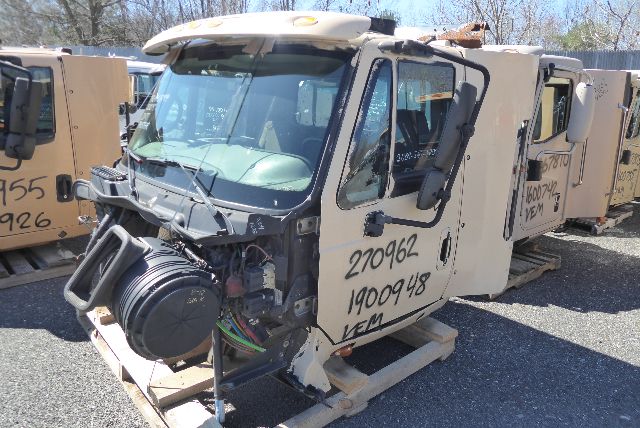
Showing 13 to 15 of 15 results
Have used part to sell? List it here to reach thousands of buyers.
About Used Parts in New York
Fitment matters more than category name alone. A used hood, cab, or door may interchange across several model years, but buyers still need to confirm details like headlamp style, hood length, mounting points, emissions-era changes, and whether the part came from a day cab, sleeper, or specialty configuration. The same goes for mechanical parts. A used engine should be evaluated by engine model, displacement, CPL or serial data when applicable, emissions system content, and whether it is sold as a runner, long block, or core. Rear ends and differentials should be matched by ratio, GAWR, brake type, housing spec, suspension compatibility, and power divider setup. On electronic components, make sure the module part number and software family align with the truck you are repairing.
Condition can vary widely in the used parts market, so inspection standards are critical. Sheet metal and fiberglass parts should be checked for repairs, cracks, stress at hinge points, corrosion, and completeness of attached hardware. Engines and drivetrain parts benefit from compression data, blow-by observations, oil sample history if available, and notes on whether the unit was removed from a running truck. Axles, suspensions, and steering components should be reviewed for wear at bushings, hubs, seals, and brake mounting surfaces. In New York, many buyers also factor in rust exposure from road salt, especially on frames, cab mounts, battery boxes, and under-cab structures.
The best used truck parts purchases are the ones that reduce downtime because the part is correctly identified the first time. Buyers typically narrow choices by truck make, model, year range, engine platform, and application class such as over-the-road tractor, dump, box truck, or medium duty delivery unit. It also helps to know if you need a bare component or a complete assembly with accessories, wiring, brackets, or interior trim included. For fleets, owner-operators, and repair shops, used commercial truck parts can be a practical way to extend service life, support older equipment, and source hard-to-find OEM components that may no longer be economical to buy new.
Frequently Asked Questions
What should I verify before buying a used truck part?
Start with exact fitment data. Confirm the truck VIN, make, model, year, engine model, and any casting or part numbers on the component being replaced. For body parts, check mounting points, dimensions, and configuration details such as sleeper versus day cab or specific hood and headlight style. For mechanical parts, confirm ratios, ratings, brake type, emissions compatibility, and whether the part is a complete assembly or a bare core. A used part that is close but not exact can create expensive installation delays.
Are used truck parts a good option for heavy duty repairs?
Used truck parts are often a strong value when OEM replacement cost is high or when the truck is older and parts availability is limited. They are commonly used for hoods, doors, cabs, rear axles, engines, transmissions, and suspension assemblies. The main benefit is lower acquisition cost, but the decision should depend on condition, interchange accuracy, and the importance of the repair. For mission-critical components, buyers usually look for documented testing, running take-out status, or clear notes on wear and completeness.
How do I evaluate a used diesel engine or engine core?
The first step is to identify whether the engine is a running take-out, a rebuildable core, or an incomplete assembly. Review the engine model, displacement, serial information, and emissions-era equipment. Ask about rotation, visible damage, missing accessories, and any available compression, oil pressure, or blow-by observations. If the listing describes the engine as a core, assume further machine work or teardown may be required. A lower purchase price on a core can still make sense, but only if your rebuild plan and total cost are realistic.
Why is axle ratio and brake specification important on used rear ends?
A rear axle assembly has to match the truck's operating needs and driveline setup. Ratio affects road speed, startability, fuel economy, and compatibility with the transmission and tire size. GAWR, housing type, brake specification, and power divider configuration also matter, especially on tandem drive applications. If the replacement axle does not match closely enough, the truck may perform poorly, require additional parts swaps, or create driveline issues that cost more than the savings on the used assembly.
Do used cabs, hoods, and doors interchange across multiple model years?
Many do, but interchange should never be assumed from appearance alone. Manufacturers often keep the same general shell for several years while changing brackets, lighting, inner structure, trim attachment points, or emissions-related packaging around the cab. A hood or door may fit a range of years within the same truck family, but buyers should still verify the exact model, year range, and configuration. This is especially important on popular platforms where both early and late versions look similar but do not install the same way.