
Truck Body Only - Flatbed Parts For Sale
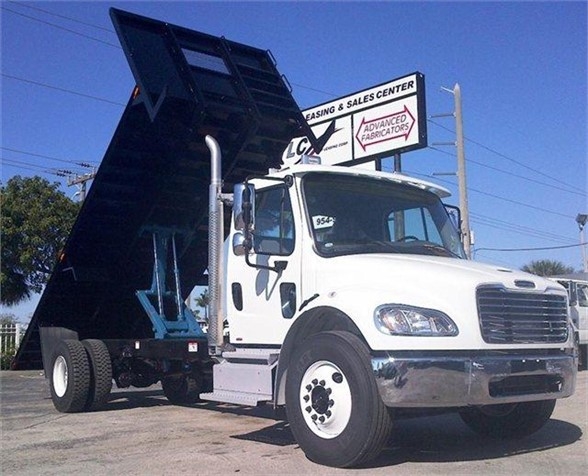
Have truck body only - flatbed part to sell? List it here to reach thousands of buyers.
Truck Body Only - Flatbed Parts
The details that separate one flatbed body from another are in the floor structure and tie-down package. Crossmember spacing, longsill design, floor plate thickness, and rub rail construction directly affect how the body handles forklifts, pallets, equipment, and uneven point loads. Many buyers look for stake pockets, chain spool storage, recessed D-rings, sliding winches, and headache racks or bulkheads sized for the cargo they secure most often. On work truck builds, common additions include underbody toolboxes, ICC bumpers, mud flap brackets, integrated LED lighting, and rear steps. If the body is being used in landscaping, construction, or municipal service, buyers may also compare flatbed dump configurations with hoists, PTO compatibility, hinge placement, and rear apron design.
Fitment matters as much as body spec. A truck body only flatbed has to match cab-to-axle, frame width, axle spread, and rear overhang limits for the receiving chassis. Body buyers should confirm subframe needs, mount style, fuel tank and DEF clearance, exhaust routing, and any interference with suspension travel or lift axles. On medium-duty chassis such as Freightliner M2, International MV, Ford F-650, or similar platforms, the right body setup often comes down to balancing usable deck space with legal weight distribution. A heavy bulkhead, hoist, or boxed longsill can improve durability but also shifts curb weight and center of gravity.
For buyers comparing listings, the practical questions are straightforward: what does the body weigh, what can the floor structure support, how is cargo secured, and what chassis is it built to fit. A flatbed body with heavy channel crossmembers on tight centers, a substantial headboard, and reinforced rear section is better suited for equipment, building materials, and hard daily loading cycles. A lighter platform body may be the better choice for delivery, pallet freight, and operations where payload and corrosion resistance are more important than abuse tolerance. The best truck body only flatbed is the one that matches the chassis, the load profile, and the securement methods your operation uses every day.
Frequently Asked Questions about Truck Body Only - Flatbed Parts
What is a truck body only flatbed?
A truck body only flatbed is the platform body assembly by itself, without the donor truck chassis. It is intended for installation on a compatible straight truck frame. Buyers typically use these bodies for chassis replacement, custom upfits, or new builds where the deck, bulkhead, lights, and tie-down equipment are selected separately from the truck.
How do I know if a flatbed body will fit my truck chassis?
The main fitment points are cab-to-axle measurement, frame width, axle position, desired rear overhang, and clearance for fuel tanks, exhaust, DEF equipment, and suspension travel. Body length alone is not enough. Buyers should also confirm mount style, subframe requirements, and whether the body was built around a specific medium-duty or severe-duty chassis platform.
Is steel or aluminum better for a flatbed truck body?
Steel flatbed bodies are usually preferred for tougher applications because they handle concentrated loads, jobsite abuse, and repairs well. Aluminum bodies save weight and resist corrosion, which can increase payload and reduce long-term rust concerns. The better choice depends on cargo type, operating environment, and how much priority is placed on durability versus tare weight.
What features matter most on a flatbed body?
Floor strength, crossmember spacing, rub rails, stake pockets, tie-down points, and bulkhead construction are core items because they affect both durability and cargo securement. Many buyers also focus on practical work features such as underbody boxes, mud flap brackets, LED lighting, rear steps, ICC bumpers, and winch or strap systems. If the body is a dump flatbed, hoist design, PTO compatibility, and hinge geometry become major factors.
What is the difference between a standard flatbed body and a flatbed dump body?
A standard flatbed body is a fixed platform used to haul materials, palletized freight, or equipment. A flatbed dump body adds a hoist system, hinge assembly, and hydraulic controls so the deck can raise and discharge loose material or simplify unloading. Dump-capable flatbeds are common in construction, municipal work, and landscaping, but they add weight, complexity, and chassis integration requirements.