
Transmission Parts For Sale
Shop transmission parts for heavy-duty trucks, including complete manual transmissions, internals, housings, PTO-ready units, and take-outs.
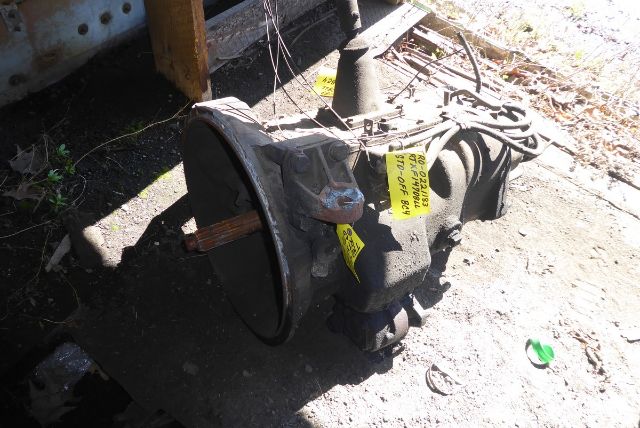
Selling a transmission part? List your transmission part for sale and reach thousands of commercial buyers.
Transmission Parts
One of the first decisions is whether the job calls for a complete replacement unit or individual transmission components. A complete assembly can reduce downtime if the original unit has major internal damage, while internal parts make sense when the case, shafts, and gear train are still serviceable. Common heavy-duty manual transmissions in this segment include Eaton Fuller models in 8-speed, 9-speed, 10-speed, 13-speed, 15-speed, and 18-speed configurations, including deep reduction and low-low variants such as 8LL. For vocational and off-road work, buyers often pay close attention to low gear reduction, PTO openings, and case strength. For highway applications, overdrive versus direct drive, input speed, and cruising RPM usually matter more.
Fitment is where costly mistakes happen. Input shaft spline count, input shaft length, clutch brake style, SAE bell housing compatibility, top cover configuration, yoke size, speed sensor provision, and shifter setup all need to match the truck or the conversion plan. Ratio spread should also be checked against rear axle ratio and tire size so launch, gradeability, and highway speed stay where they need to be. On used transmission parts, condition terms such as good take-out, core, rebuilt, and remanufactured do not mean the same thing. A good take-out may be a working unit removed from a running truck, but buyers should still confirm end play, case damage, gear tooth condition, bearing noise, and any visible metal contamination before installation.
For buyers comparing listings, the most useful details are the exact transmission model tag, serial number, shift pattern, torque rating, and the truck it was removed from. That information helps verify interchange and reduces the risk of ordering a unit with the wrong input, output, or internal ratios. If the transmission will power auxiliary equipment, confirm PTO compatibility and side opening location before purchase. In older applications, a used Eaton Fuller or similar manual transmission can be a practical repair path when matched correctly, especially for fleets and owner-operators trying to control downtime and keep a proven truck in service.
Also known as: Gearbox
Frequently Asked Questions about Transmission Parts
What should I verify before buying a used truck transmission or transmission part?
Start with the exact model number and serial tag, then verify input shaft spline count, input shaft length, bell housing pattern, output yoke or flange style, shifter configuration, and any electronic speed sensor provisions. You should also confirm the gear ratios, torque rating, and PTO openings if the truck runs auxiliary equipment. Matching only by make and speed count is not enough because different versions of the same transmission family can have important fitment differences.
What does GTO or good take-out mean on a transmission listing?
Good take-out usually means the transmission was removed from a running or serviceable truck and was considered usable at the time of removal. It is not the same as rebuilt or remanufactured. A good take-out transmission may still need inspection for shaft play, bearing condition, cracked housings, damaged gears, or contaminated oil before it is installed. Buyers should treat it as a used component with no assumption that wear items have been replaced.
How do I know if I need a complete transmission instead of internal parts?
A complete transmission is often the better choice when the existing unit has catastrophic gear damage, a cracked case, multiple failed bearings, or enough internal wear that labor and parts will exceed the value of a replacement assembly. Individual parts make more sense when the failure is isolated and the rest of the gearbox is still within service limits. Downtime, shop labor, parts availability, and the condition of the current case and shafts usually decide which route is more economical.
Why do low-low and deep reduction transmissions matter in vocational trucks?
Low-low and deep reduction gearsets provide a very slow starting ratio that helps when launching heavy loads, maneuvering off-road, backing into tight job sites, or operating in severe service. An 8LL or similar transmission can improve control at low speed and reduce clutch abuse in demanding applications. That extra reduction is less important in linehaul service, where direct drive or overdrive gearing and highway RPM are usually the bigger concerns.
Can transmission ratio choice affect truck performance even if the transmission fits?
Yes. A transmission can physically fit the truck and still be the wrong choice for the application. The ratio spread needs to work with the engine's power band, rear axle ratio, tire size, and intended operating speed. A mismatch can hurt startability, increase clutch wear, reduce grade performance, or leave the engine turning too fast or too slow at cruise. Fitment and gearing should always be evaluated together.