
Parts For Sale Near Taylor, Pennsylvania
Have part to sell? List it here to reach thousands of buyers.
Parts Near Taylor, Pennsylvania
Used truck parts can be a smart option when downtime matters and OEM new pricing is hard to justify. Salvage, take-out, rebuilt, and remanufactured parts all serve different needs. A good take-out engine or transmission may be the fastest path back on the road, while a rebuilt component may make more sense for a long-term owner planning to keep the truck. For body and cab parts, buyers should pay attention to color match, rust, mounting points, damage history, and whether hardware, brackets, and wiring are included. For chassis and suspension parts, common checkpoints include bushing wear, housing condition, brake compatibility, hub configuration, and signs of prior repairs.
Compatibility is where most buying mistakes happen. Heavy truck parts are often application-specific even when they look interchangeable at first glance. Emissions-era engines need correct EPA year alignment, sensor packages, and aftertreatment compatibility. Drivetrain parts need matching spline counts, ratios, and bell housing patterns. Cab and electrical parts may require exact connector styles, switch layouts, and multiplex system compatibility. Buyers should confirm serial numbers and part numbers whenever possible, and it helps to know if the truck is spec'd for regional haul, vocational work, or over-the-road service because that affects cooling, suspension, braking, and drivetrain choices.
The broad parts market includes everything from complete power units to small but critical items like charge air coolers, radiators, steering gears, fuel tanks, DEF components, ECMs, DPF cans, bumpers, and wheel-end parts. Also known in many cases as replacement truck components, these parts support repairs after failure, collision damage, corrosion, or planned fleet maintenance. The best listing details usually include condition, inspection notes, interchange information, and what is or is not included in the sale. For buyers comparing multiple listings, the most valuable approach is to verify fitment first, then evaluate condition, warranty, and total installation cost.
Frequently Asked Questions about Parts Near Taylor, Pennsylvania
What information should I verify before buying a heavy-duty truck part?
Verify the OEM part number, VIN, engine serial number, transmission model, axle tag, and any casting or assembly numbers tied to the component. For engines, confirm CPL, horsepower rating, emissions year, and whether the sale includes accessories, wiring, ECM, or aftertreatment pieces. For body, cab, and electrical parts, connector style, bracket location, and option codes can be just as important as make and model.
What is the difference between used, rebuilt, and remanufactured truck parts?
A used part is typically a take-out component removed from a donor truck and sold in its current serviceable condition after inspection. A rebuilt part has been disassembled and repaired with replacement of worn items as needed, but the process can vary by seller. A remanufactured part is usually restored to a more defined specification with broader replacement of wear components and more standardized testing. The right choice depends on budget, downtime, and how long the truck is expected to stay in service.
Are engine parts and complete engines sold the same way?
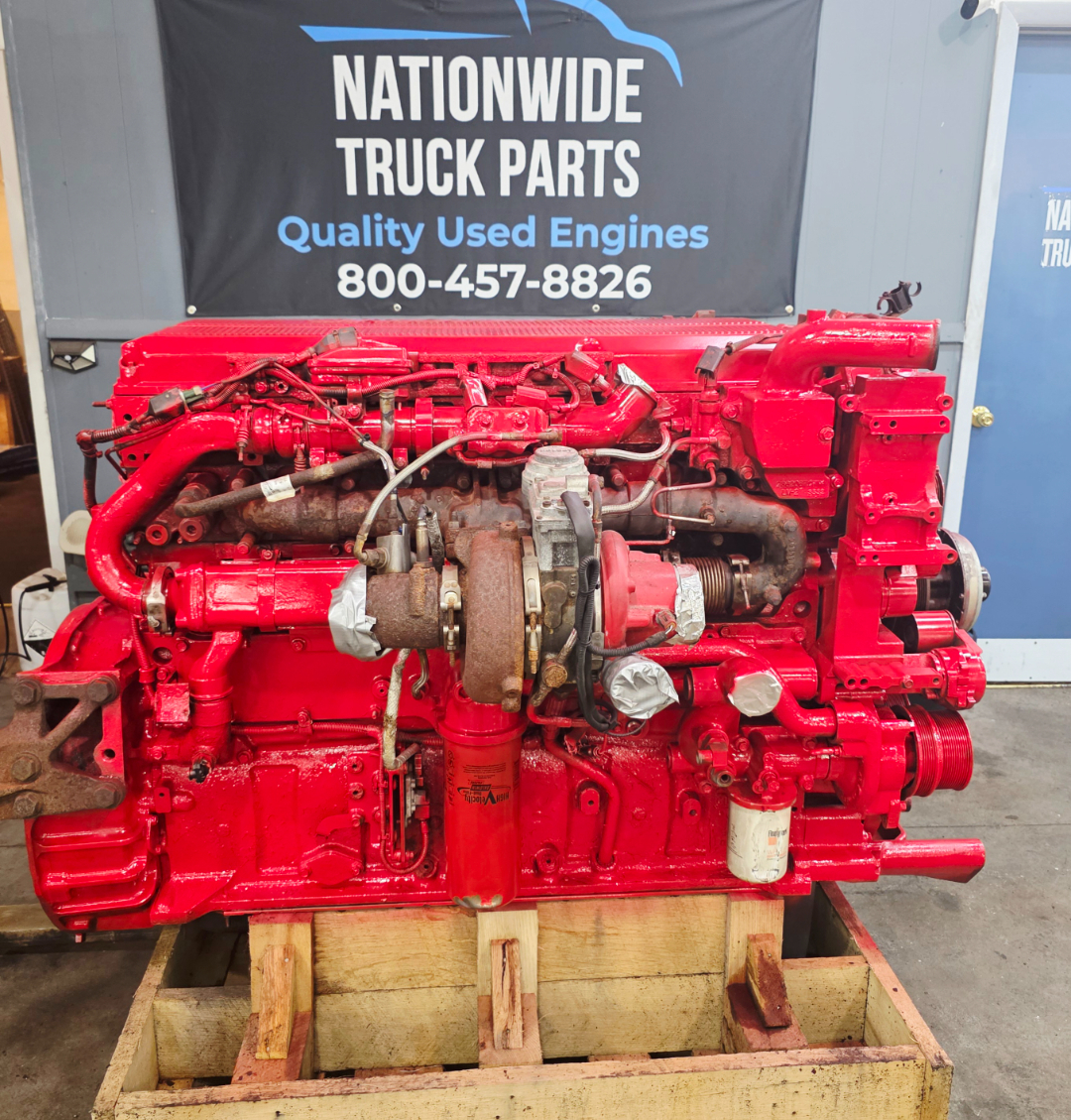
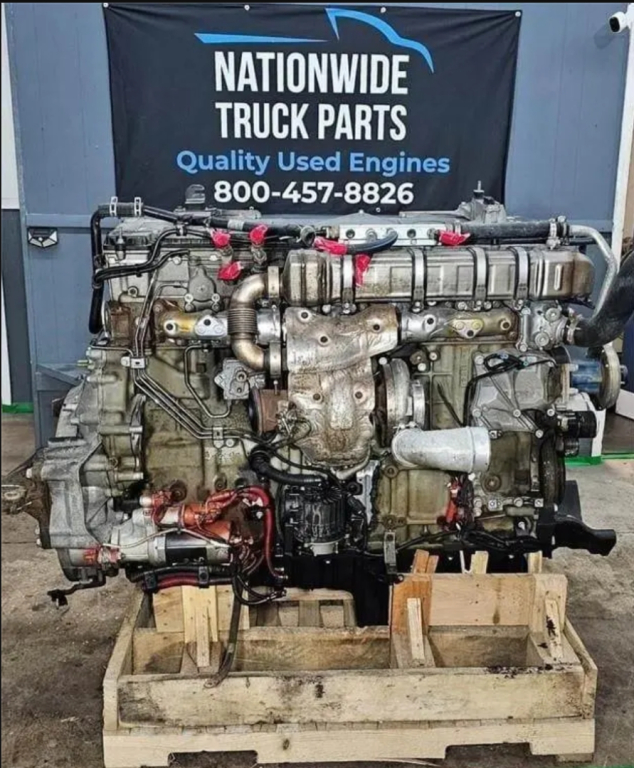
No. A complete engine may include accessories such as turbocharger, fuel system components, wiring, and ECM, while a long block or bare engine will not include the same level of equipment. Buyers should confirm exactly what comes with the assembly, ask whether the engine has been test run or inspected, and verify mileage, CPL, and warranty coverage before comparing prices across listings.
Why do matching numbers matter so much on truck parts?
Matching numbers reduce the risk of installation delays, return freight, and compatibility issues. Many heavy-duty truck parts have different sensor layouts, harness connections, mounting patterns, software requirements, or internal specs even within the same model family. Cross-checking part numbers and serial tags is the most reliable way to confirm that a component will fit and function correctly in the intended truck.