
Parts For Sale Near Pompano Beach, Florida
Have part to sell? List it here to reach thousands of buyers.
Parts Near Pompano Beach, Florida
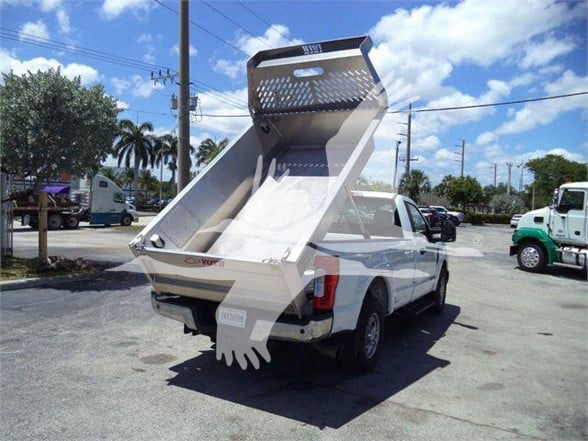
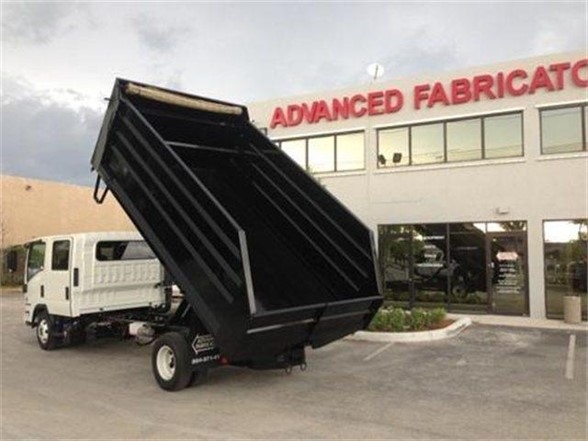
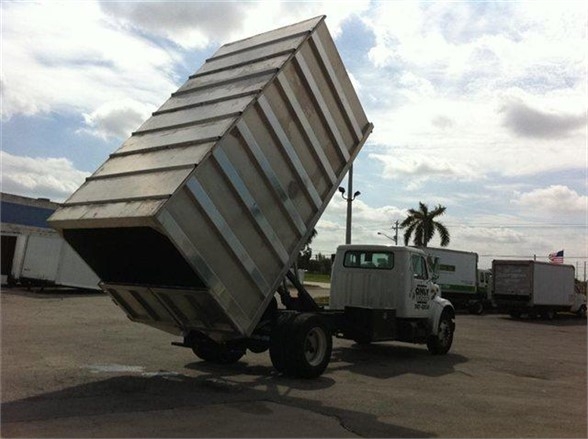
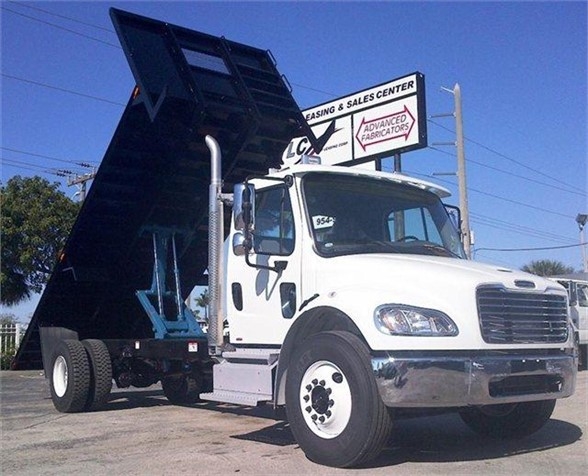
The first decision is usually application. A dump body or dump insert is built for mulch, debris, aggregates, demolition, and landscape material, while a flatbed body supports palletized freight, equipment, and mixed-use hauling. Body length, floor thickness, side height, crossmember spacing, and longsill design all affect payload, rigidity, and service life. On dump bodies, buyers should pay close attention to deck material, side construction, barn doors or tailgate style, bulkhead height, and hoist type. Electric over hydraulic systems are common on lighter applications, while PTO-driven telescopic or scissor hoists are preferred when cycle frequency, body size, or payload demands increase.
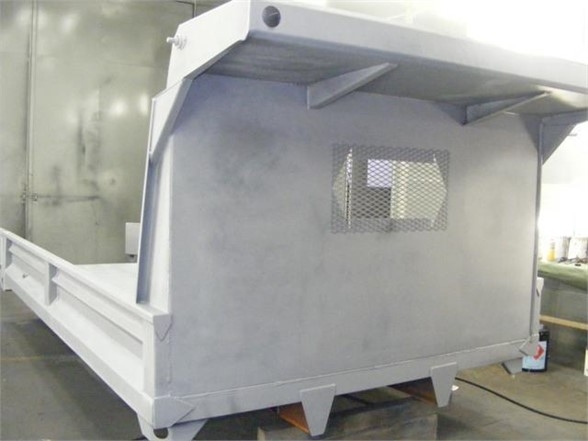
Fit-up details matter as much as headline specs. A body-only purchase still has to match the truck's cab-to-axle measurement, frame height, axle ratings, and intended center of gravity. Buyers should verify hinge placement, cab clearance, walk-behind space, hitch integration, lighting compliance, and how accessories such as mud flaps, cab shields, tool baskets, steps, and grab handles are mounted. If the job includes loading from the side or securing equipment, stake pockets, rub rails, weld-on winches, and tie-down points become important. For trash, brush, and bulky light material, taller side walls and tarp coverage can be more valuable than raw floor strength alone.
Condition, installation scope, and completeness should be reviewed carefully on any truck part listing. Some offerings are new take-off or new fabricated components, while others are complete installed-ready body packages or body-only assemblies that still require hoist, PTO, wiring, or finish work. Ask about material gauge, primer and paint process, hydraulic components, wiring harnesses, lighting kits, and any chassis-specific modifications required before installation. A well-matched part can extend truck life, improve payload efficiency, and reduce downtime, but the right choice depends on the truck's frame, the material being hauled, and how many cycles the unit will see in a normal workday.
Frequently Asked Questions about Parts Near Pompano Beach, Florida
What should I confirm before buying a truck body or major truck part?
Confirm the chassis dimensions and operating requirements before anything else. Cab-to-axle measurement, frame width, axle ratings, tire size, and intended payload all affect whether a body or component will fit and work correctly. Buyers should also verify whether the listing includes installation hardware, hoist equipment, PTO or electric hydraulic power unit, lighting, and any required mounting subframe. A body that is correct on paper can still require fabrication if frame height, exhaust routing, or rear clearance is not considered.
Is aluminum or steel better for a dump body or insert?
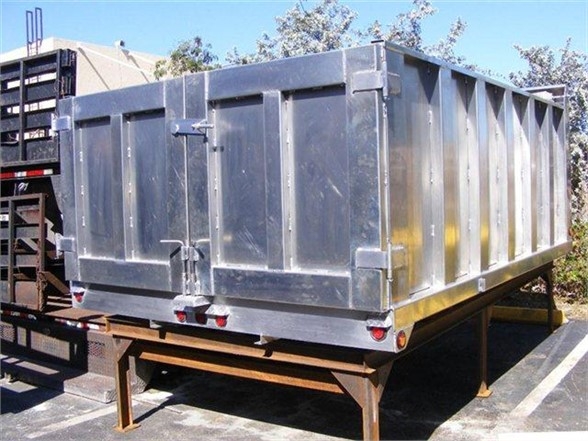
Aluminum is lighter and resists corrosion well, which can be a strong advantage in coastal Florida service or for operators trying to preserve payload. Steel generally costs less upfront and handles abrasive material, impact loading, and hard vocational use very well. The better choice depends on the material being hauled, expected duty cycle, and total cost of ownership. Light debris, trash, and landscape work often favor aluminum, while aggregate, demolition, and severe-duty use often justify steel.
What is the difference between a dump insert and a full dump body?
A dump insert is designed to fit inside an existing pickup or truck bed and adds hydraulic dumping capability without replacing the entire original body structure. A full dump body replaces the body on the chassis and is built as a dedicated vocational upfit with its own floor, side walls, bulkhead, tailgate or barn doors, and hoist integration. Full dump bodies usually offer greater capacity, stronger structure, and more customization, while inserts are a simpler option for lighter-duty applications.
Which hoist type is best for a dump application?
The best hoist depends on body size, payload, and how often the truck cycles each day. Electric over hydraulic hoists are common on lighter-duty trucks and can simplify installation because they do not always require a transmission PTO. PTO-driven scissor or telescopic hoists are usually preferred for heavier bodies and frequent dumping because they deliver stronger lifting performance and better long-term durability in demanding service. Buyers should match the hoist rating to the body length, material weight, and operating environment.
Why do crossmember spacing and longsill design matter on truck bodies?
Crossmember spacing and longsills determine how the floor is supported and how load stress is distributed into the chassis. Closer crossmember spacing generally improves floor support and helps when hauling dense or uneven loads. Heavier longsills improve rigidity and are especially important on longer bodies, dump applications, and rough jobsite use. These structural details directly affect body life, resistance to cracking, and how well the body handles concentrated weight over time.