
Peterbilt Parts For Sale
Shop Peterbilt parts by model and component type, including cabs, body parts, drivetrain, interior, and chassis components.
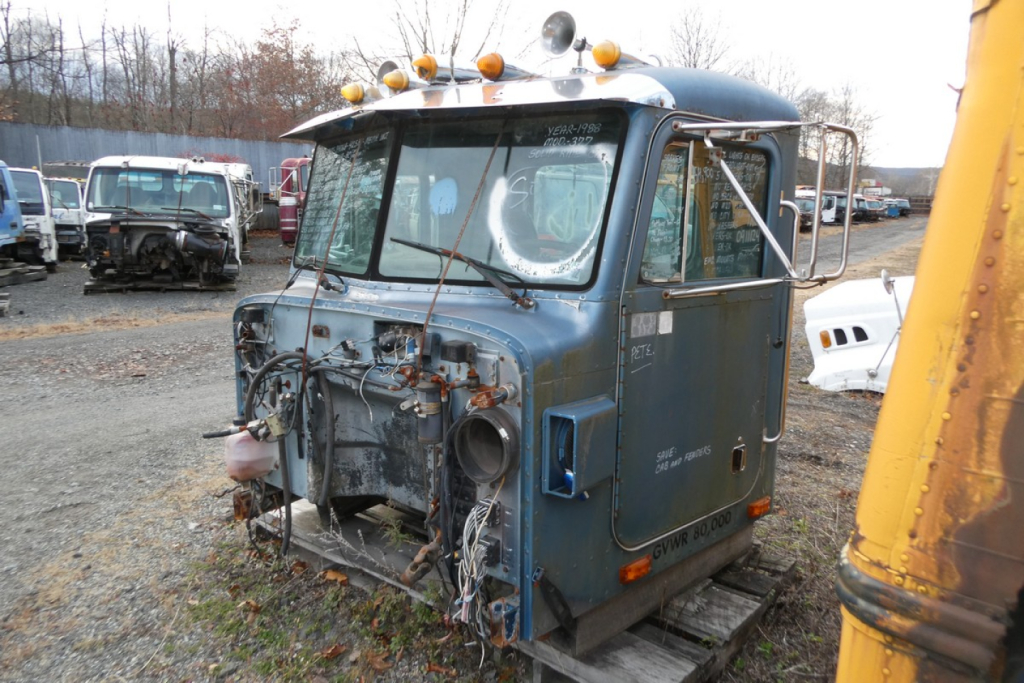
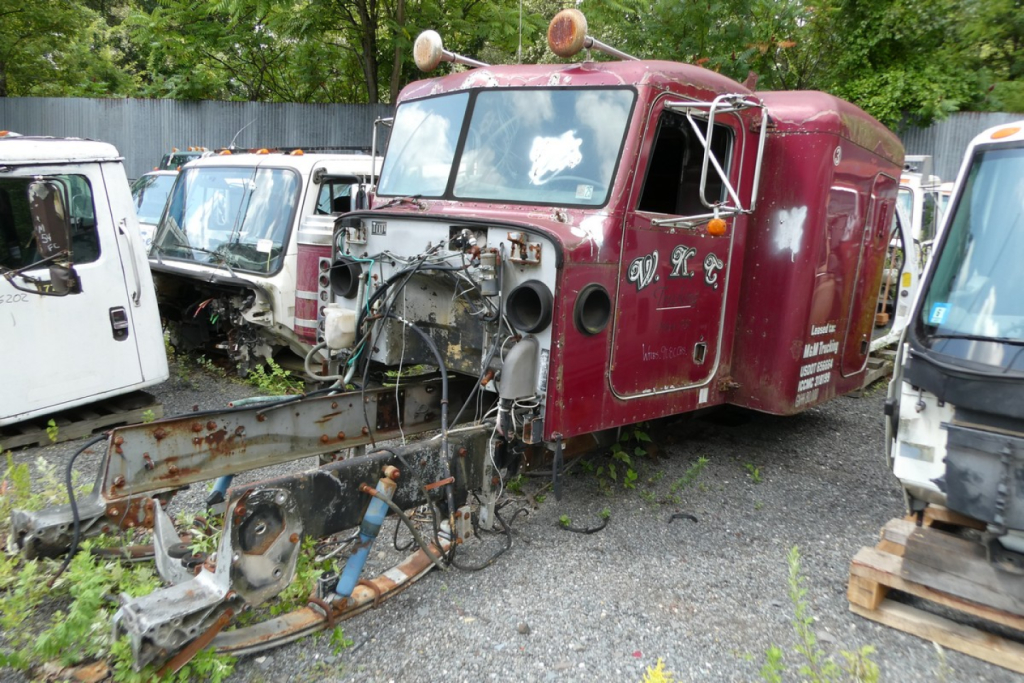
Selling a peterbilt part? List your peterbilt part for sale and reach thousands of commercial buyers.
Peterbilt Parts
For used Peterbilt parts, the key issue is interchangeability. A cab from a late-1980s 377 or 379 may look straightforward, but mount locations, wiring pass-throughs, pedal setup, dash layout, and sleeper integration can differ. Buyers should confirm VIN compatibility, firewall configuration, hood length, BBC dimension, and whether the truck used a solid ride or air ride cab setup. On chassis and drivetrain items, engine make matters just as much as truck model. Peterbilt platforms are commonly tied to Cummins, Caterpillar, and PACCAR MX applications, so cooling package dimensions, charge air plumbing, exhaust routing, and harness connections should be checked carefully before purchase.
Cab and interior parts deserve close inspection because condition drives repair cost. Corrosion around cab corners, floor structure, hinge mounts, and windshield channels can turn a usable takeoff into a fabrication job. Interior parts such as gauge clusters, switch panels, trim, HVAC controls, and sleeper components are often sought for restoration work and fleet upkeep, particularly on classic Peterbilt models with strong resale demand. Exterior parts like hoods, fenders, bumpers, headlights, and grille surrounds are also frequent replacement items after road damage, and buyers usually compare mounting style, material, and finish as closely as the part number itself.
For suspension, axle, brake, and steering parts, it helps to know the original axle ratings and suspension brand. Peterbilt trucks may be spec'd with different front axle capacities, wheelbases, brake configurations, and rear suspension systems, so hub, drum, spindle, spring, crossmember, and steering linkage parts should be matched to the truck's exact build. The best Peterbilt parts purchase is usually the one that balances OEM fit, salvage value, and labor savings. A complete cab, door set, dash assembly, or other takeoff can be more economical than sourcing multiple small components separately, especially when trying to keep an older truck working with minimal downtime.
Frequently Asked Questions about Peterbilt Parts
What should I verify before buying used Peterbilt parts?
Start with the truck's VIN, model, year range, and major spec details such as engine make, cab type, hood length, suspension setup, and wheelbase. Peterbilt used multiple configurations across the same model family, so visual similarity does not guarantee interchange. For body and cab parts, confirm mounting points, ride style, sleeper compatibility, and wiring provisions. For mechanical parts, match axle ratings, brake type, transmission model, and engine-related connections before committing.
Are Peterbilt cab parts interchangeable between 377 and 379 models?
Some components can interchange, but buyers should not assume a direct swap. Cab structure, mounts, dash layout, ride system, and related sheet metal can vary by production year and original spec. A complete cab assembly may require additional brackets, wiring changes, or interior transfers to fit correctly. The safest approach is to compare part numbers, measurements, and mounting locations against the receiving truck.
Is it better to buy a complete Peterbilt cab or individual cab parts?
A complete cab can save substantial labor and sourcing time when multiple components are damaged or missing. It may also provide matching doors, dash structure, glass openings, and interior mounting points that reduce fitment issues. Individual parts make more sense when the main structure is sound and the repair is limited to specific items such as doors, trim, or dash pieces. The decision usually comes down to total repair cost, freight, and how quickly the truck needs to return to service.
Which Peterbilt parts are most commonly replaced on older trucks?
On older Peterbilt trucks, buyers frequently look for cabs, doors, hoods, grilles, bumpers, lighting components, dash parts, seats, HVAC controls, steering components, and suspension hardware. Cooling system parts, charge air components, and wiring-related items are also common because age, heat cycles, and vibration take a toll over time. Classic models often need cosmetic and structural cab parts as much as mechanical components because operators continue restoring and maintaining them for long service life.
Do OEM Peterbilt parts matter more than aftermarket parts on older models?
OEM Peterbilt parts usually offer the best fit, mounting accuracy, and appearance, which is especially important on cabs, hoods, interior trim, and model-specific structural pieces. Aftermarket parts can work well for routine maintenance items, but body and cab components may require extra adjustment or fabrication. On older trucks with strong resale value, many buyers prefer OEM or quality used takeoff parts because they preserve correct fit and reduce installation headaches.