
Headache Rack Parts For Sale
Shop headache rack parts including aluminum racks, mounts, panels, and hardware for tractor cab protection and cleaner accessory installs.
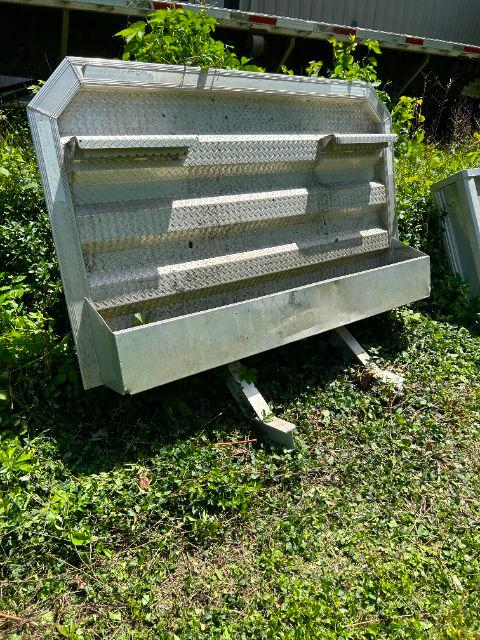
Selling a headache rack part? List your headache rack part for sale and reach thousands of commercial buyers.
Headache Rack Parts
The most important buying decision is compatibility with the tractor frame, rear-of-cab clearance, and the rack design already in use. Mounting legs, brackets, U-bolts, frame clamps, deck plates, and replacement panels need to match the rack width and the truck's chassis layout. Clearance for airlines, electrical lines, catwalk access, and back-of-cab equipment matters just as much as the rack itself. On replacement parts, check for bent mounting legs, cracked welds, wallowed bolt holes, corrosion around fasteners, and any distortion that could affect alignment once the rack is tightened down.
Buyers also look closely at the rack's working configuration. Some headache rack parts support chain trays, binder racks, strap boxes, tool boxes, dunnage racks, work lights, beacon mounts, and rear-window protection screens. If the truck runs flatbed freight, securement storage and easy access from ground level or the catwalk can be more important than appearance. A cleaner rack layout can also help protect hoses and pigtails from abrasion while keeping the back-of-cab area easier to service.
Used headache rack parts can be a practical buy when the base structure is straight and the mounting points are sound. Merritt and other established manufacturers are common in this category, and replacement aluminum sections, brackets, and hardware are often purchased to repair crash damage, upgrade storage, or adapt a tractor to a different trailer application. For any headache rack part, confirm overall dimensions, mounting style, fastener pattern, and material thickness before purchase. Small differences in leg spacing or bracket design can turn a simple install into a fabrication job.
Also known as: Cab Guard, Cab Rack, Cab Protector
Frequently Asked Questions about Headache Rack Parts
What are the most important measurements to verify on headache rack parts?
The key measurements are overall rack width, mounting leg spacing, bracket dimensions, bolt-hole pattern, and cab clearance. Buyers should also confirm the distance from the back of cab to the mounting plane, plus any clearance needed for airlines, electrical lines, and catwalk access. On replacement panels or storage sections, material thickness and door or tray dimensions matter because small fitment differences can prevent a clean installation.
Are aluminum headache rack parts better than steel?
Aluminum headache rack parts are usually preferred for lower weight and better corrosion resistance, especially on tractors that already run aluminum racks and storage components. Steel can still be a solid choice where cost control and impact tolerance are bigger priorities. The better material depends on the truck's application, climate, and how important weight savings are in the overall spec.
Can used headache rack parts be worth buying?
Used headache rack parts can offer strong value if the structure is straight and the mounting areas are intact. The main things to inspect are bent legs, cracked welds, elongated holes, broken latches, corrosion around hardware, and any twist in the frame. Cosmetic wear is common and usually less important than sound welds and proper alignment.
What parts are commonly replaced on a headache rack?
Common replacement items include mounting legs, brackets, frame clamps, rear protection panels, chain trays, strap storage components, tool box doors, latches, hinges, lights, and fastening hardware. Damage often happens at the lower mounts and corners, while wear items usually show up in doors, hinges, and accessory mounts. Buyers replacing one section should compare it carefully to the existing rack design to avoid fitment issues.