
Freightliner Parts For Sale
Browse Freightliner parts for Cascadia and other models, including used body, cab, hood, drivetrain, and chassis components.
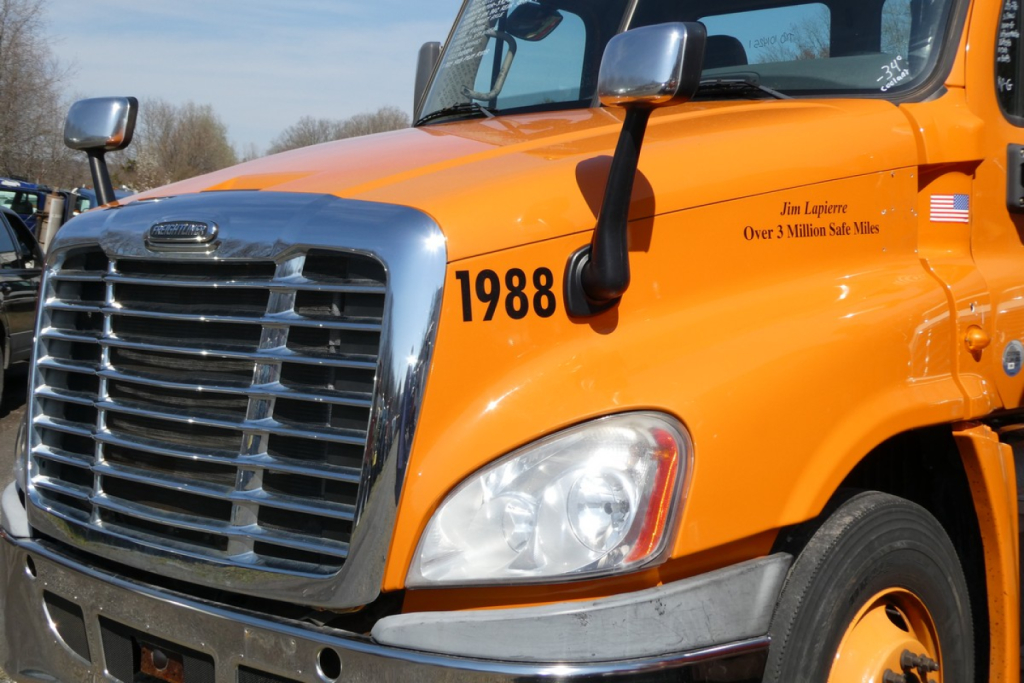
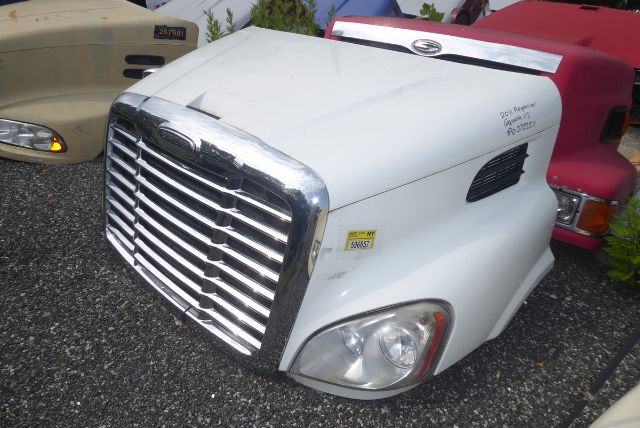
Selling a freightliner part? List your freightliner part for sale and reach thousands of commercial buyers.
Freightliner Parts
For many buyers, the first decision is new, aftermarket, rebuilt, or used OEM Freightliner parts. Used OEM parts are often attractive for collision repair, older truck refreshes, and budget-conscious maintenance because factory fit and original mounting geometry are usually better than low-grade aftermarket alternatives. Rebuilt components make more sense in categories like steering gears, transmissions, power steering pumps, and differentials where internal condition matters as much as external casting numbers. On electronic and emissions-related parts, exact matching is more important than appearance. ECU compatibility, EPA year, sensor style, aftertreatment configuration, and engine family must all line up before purchase.
Freightliner parts buyers should verify the VIN, serial tags, casting numbers, and donor truck specs whenever possible. That is especially important on Cascadia models, where bumper-to-back-of-cab dimensions, hood lengths, and changes between early and later production can affect fitment. On chassis and suspension items, check axle rating, spring or air-ride setup, wheelbase-related brackets, and brake configuration. On cab and hood assemblies, inspect hinge areas, fiberglass stress cracks, mounting points, and prior repairs. On interior and electrical parts, connector style, switch layout, and multiplex compatibility can save a costly return. Freightliner’s large population in regional haul, over-the-road, vocational, and delivery service means parts availability is strong, but correct identification still separates a usable component from an expensive mismatch.
A good Freightliner parts search balances price with condition, interchange, and labor exposure. A lower-cost hood, cab panel, or cooling component can stop being a bargain if it needs fiberglass work, broken tabs repaired, or additional hardware sourced. Drivetrain and chassis parts should be evaluated for mileage, fluid condition, backlash, wear patterns, and any evidence of heat or impact damage. Buyers looking for parts for high-volume models like the Cascadia often benefit from wider interchange across multiple years, but that should never replace confirmation of part numbers and mounting details. The best Freightliner part is not just the cheapest one. It is the component that fits correctly, matches the truck’s build, and gets the unit back in service with minimal rework.
Frequently Asked Questions about Freightliner Parts
Are Freightliner Cascadia parts interchangeable across multiple model years?
Many Freightliner Cascadia parts interchange across certain year ranges, but interchange is not universal. Hoods, bumpers, headlights, doors, fairings, and interior parts can vary by generation, engine package, emissions year, and specific trim or cab setup. Some early and later Cascadia components look similar but use different mounting points, lighting designs, or connectors. Buyers should confirm VIN, part number, and donor truck details before assuming a direct swap.
What should I check before buying a used Freightliner hood or cab part?
Start with fitment, then inspect condition. Verify the exact model, year range, and mounting style, and look closely for fiberglass cracks, repaired stress points, broken tabs, hinge damage, and misalignment around grille or light openings. Cosmetic damage may be manageable, but structural damage around latch points or mounts can create extra labor and poor panel fit. If the part is being shipped, confirm whether hardware, insulation, lights, or grilles are included.
Is it better to buy used OEM Freightliner parts or aftermarket replacements?
That depends on the part category and the labor involved in installation. Used OEM Freightliner parts often offer better fit, factory material quality, and more predictable mounting alignment, especially for hoods, doors, cabs, and trim. Aftermarket parts can work well in some applications, but lower-grade versions may require extra adjustment or refinishing. For high-labor repairs, many buyers prefer OEM fitment because installation time and rework can erase any upfront savings.
Which Freightliner parts require exact serial number or engine information?
Engine, emissions, and electronic components usually require the most precise identification. ECUs, aftertreatment parts, sensors, turbo-related components, cooling modules, and some transmission or clutch-control components should be matched using VIN, engine serial number, and part number whenever possible. This is especially important on trucks with Detroit powertrains and multiplex electrical systems, where connector changes or calibration differences can affect compatibility.
What are the most commonly replaced Freightliner parts on highway tractors?
On highway tractors, buyers frequently look for hoods, bumpers, doors, mirrors, headlights, fairings, radiators, charge air coolers, steering components, suspension parts, and axle or differential assemblies. Cascadia models also generate steady demand for interior trim, dash components, DEF and aftertreatment parts, and collision-related body panels. The exact mix depends on whether the truck is used in long-haul, regional, or vocational service, but body, cooling, chassis, and electrical categories are consistently active.