
Used Engine Parts For Sale
Browse used engine parts for heavy-duty trucks, including complete diesel engines, take-outs, long blocks, and core units from top OEMs.
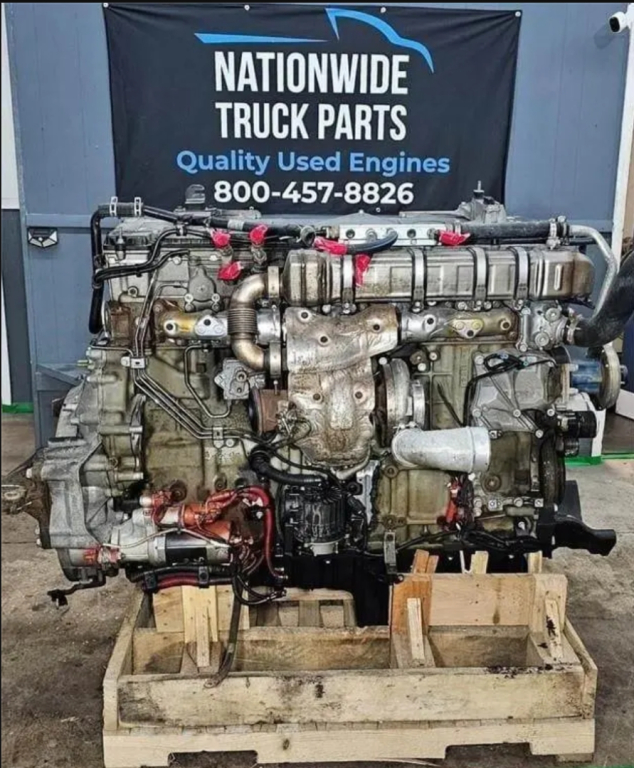
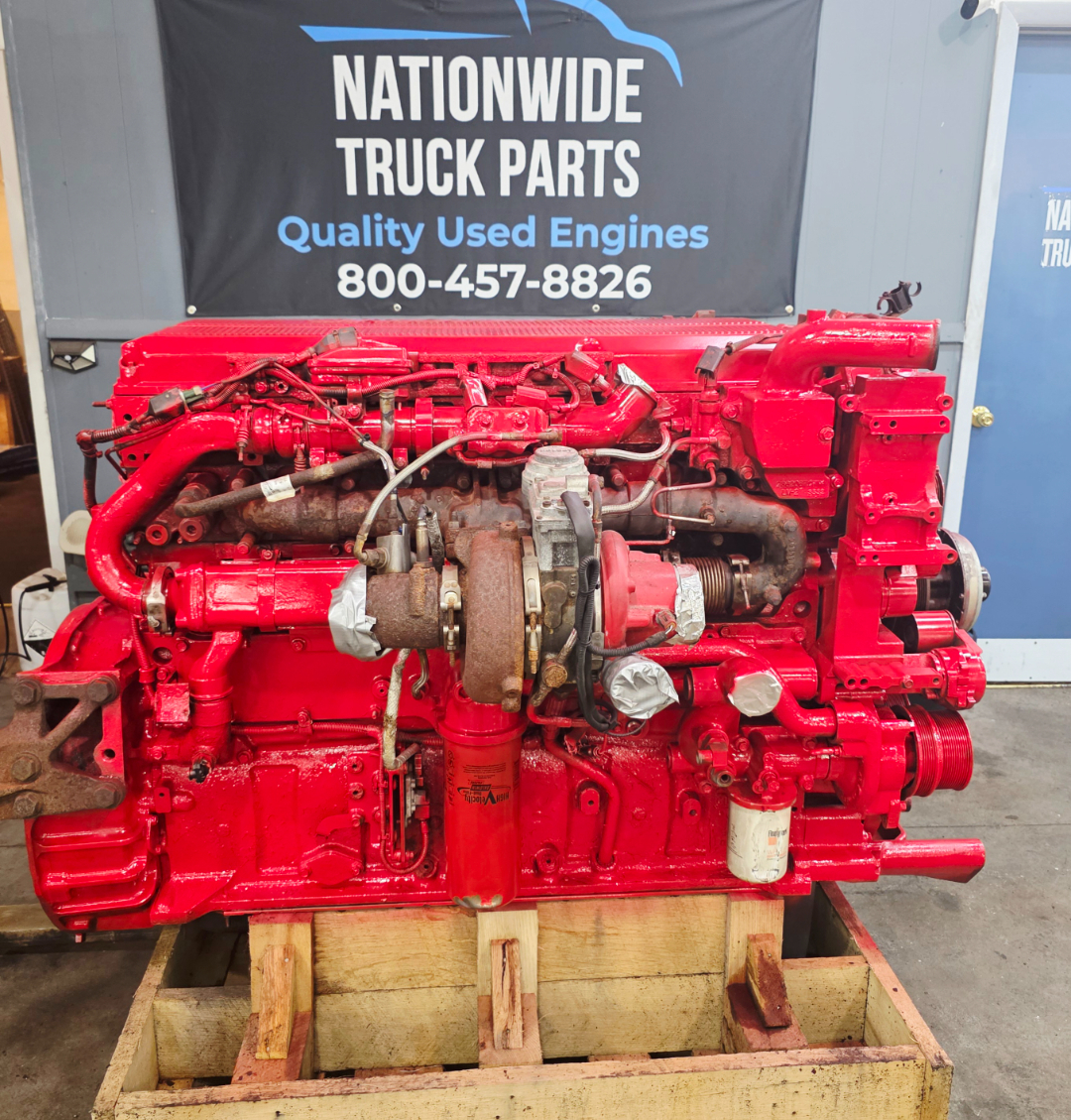
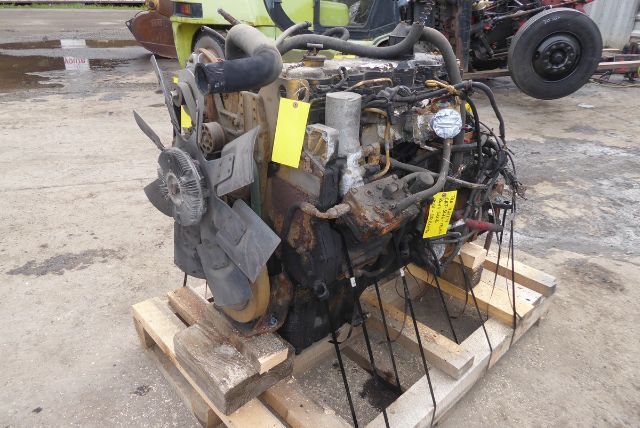
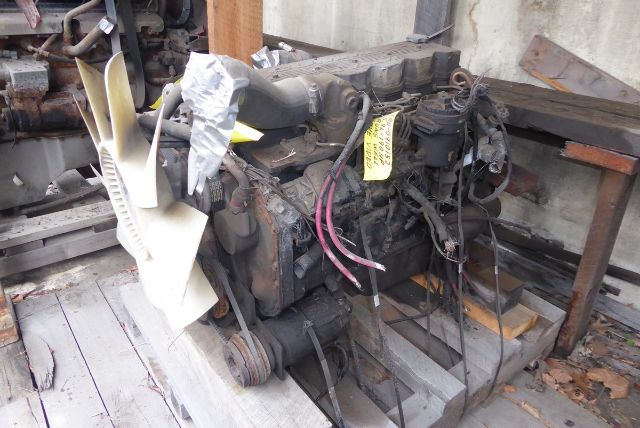
Selling a used engine part? List your used engine part for sale and reach thousands of commercial buyers.
Used Engine Parts
Compatibility matters more than the name on the valve cover. Buyers should verify engine model, serial number, CPL on Cummins applications, horsepower rating, emissions family, ECM calibration, and the exact configuration of the take-out. A used ISX15, 3126, or 5.9L platform can have important differences in sensors, turbo setup, flywheel housing, oil cooler arrangement, aftertreatment compatibility, and wiring connections. It is also smart to confirm what is included with the assembly. Some used engines are sold complete fan-to-flywheel, while others are stripped long blocks or partial builds that require swapping manifolds, fuel system parts, front accessories, or electronics from the original engine.
Condition details drive value in used engine parts. A strong listing typically notes mileage or hours, test-run status, oil pressure, blow-by, compression information if available, and why the unit was removed. Terms like runs well, inspected, core, or hole in block tell very different stories about what you are buying. For shops and fleets, the practical questions are straightforward: was the engine operating before removal, can it be heard running, is there warranty coverage, and are there known external damage points to the block, head, pan rail, or accessory mounts. On electronic engines, buyers should also ask about the ECM part number, whether the harness is included, and if emissions-related components are still attached.
Used engine parts are often the fastest way to get a truck back in service without the cost of a reman program. They can be a good fit for older trucks, farm and vocational equipment, export buyers, and operators managing a tight maintenance budget. The best purchase is usually the one that matches the truck’s intended service life. A low-mile take-out may justify a premium in a revenue truck, while a core engine or major component can be the right choice for a rebuild project or secondary unit. Clear fitment data, honest condition notes, and a full understanding of included parts are what separate a good used engine buy from an expensive mismatch.
Frequently Asked Questions about Used Engine Parts
What should I verify before buying a used diesel engine or engine part?
Verify the engine serial number, model, CPL or arrangement number, horsepower rating, emissions family, and the truck application it came from. You should also confirm what parts are included in the sale, such as ECM, harness, turbo, injectors, flywheel housing, and accessory drives. Small specification differences can create major installation issues, especially on electronically controlled engines.
Is a used complete engine better than buying individual engine parts?
A complete used engine is usually the faster path when a truck needs to return to service quickly or when the existing engine has multiple internal failures. Individual engine parts can make better financial sense if the base engine is still sound and only specific components failed, such as a head, turbo, injectors, or front cover. The right choice depends on labor cost, shop capacity, downtime tolerance, and the overall condition of the original engine.
What does core engine mean on a used engine listing?
A core engine is generally a rebuildable unit sold as a base for remanufacturing or repair, not necessarily a ready-to-run replacement. It may have internal damage, missing parts, or external block damage, and its value is tied to the castings and major components that can be reused. Buyers should assume a core needs inspection and machine work unless the listing clearly states otherwise.
How important are mileage and test-run information on used engine parts?
Mileage, hours, and test-run details are some of the best indicators of remaining service life, but they should not be viewed in isolation. A lower-mile engine with poor maintenance history can be a worse buy than a higher-mile unit with strong oil pressure, clean blow-by readings, and documented operation before removal. Test-run videos, inspection notes, and removal reasons provide better context than mileage alone.
Can a used engine from a bus or medium-duty truck work in another application?
Sometimes it can, but cross-application swaps require careful checking of oil pan configuration, front and rear sump layout, accessory mounting, turbo position, flywheel housing, ECM programming, and chassis wiring. Engines that share the same base model may still differ in calibration, emissions equipment, and external packaging. Buyers should compare the full configuration, not just the engine family name.