
Engine Core Parts For Sale
Shop engine core parts including diesel long blocks and rebuildable cores. Compare make, model, condition, and rebuild potential.
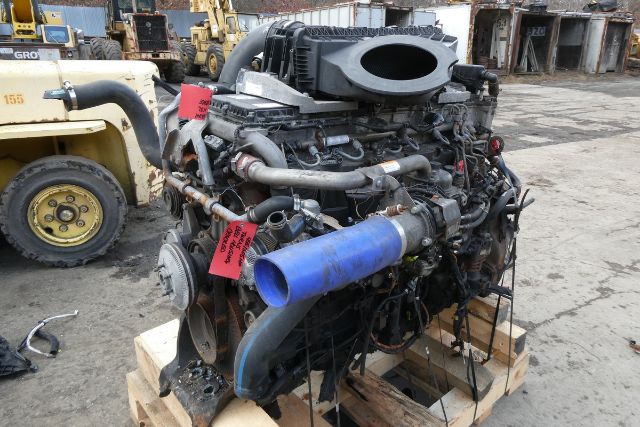
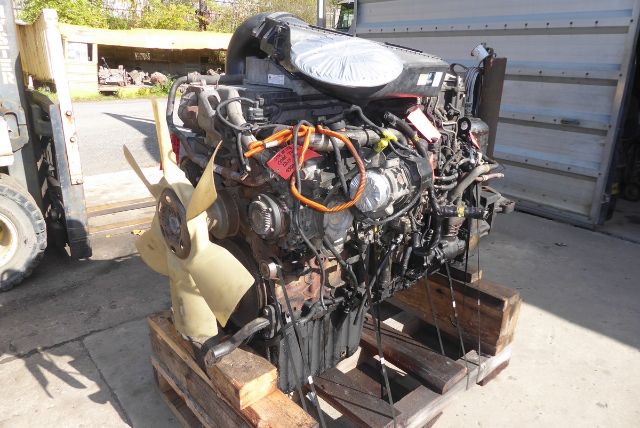
Selling a engine core part? List your engine core part for sale and reach thousands of commercial buyers.
Engine Core Parts
Common heavy-duty engine cores include popular platforms like the Detroit DD13 and DD15, along with Cummins X15, ISX, PACCAR MX-13, Volvo D13, and Mack MP8. Buyers should match the engine family, CPL or engine serial data, emissions configuration, and intended application before committing to a purchase. Year range matters because emissions hardware, ECM compatibility, turbo setup, front cover arrangement, and accessory mounting can vary significantly within the same engine model. If the goal is a rebuild for resale or fleet use, inspect what is included with the core such as head, injectors, turbocharger, oil pan, flywheel housing, wiring, and ECM, since missing external components can change the real cost quickly.
A good engine core listing should tell you if the engine turns, if it was removed from a running truck, and why it was taken out of service. Look for statements about internal failure, block damage, head condition, and whether the core has visible external cracks or broken mounting points. On late-model engines, emissions-related history also matters because a failed aftertreatment system can lead to thermal damage, excessive soot loading, or oil contamination that affects rebuildability. Freight cost, core charge policy, and palletizing or crate details are also worth confirming, especially on complete heavy-duty diesel engines where shipping weight and packaging can materially affect the total buy.
For buyers comparing multiple engine cores, value comes from rebuild potential, completeness, and documentation. A lower-priced core is not always the better buy if it needs a block, crank, head, and front gear train before machining even starts. Ask for serial number tags, pan-off or valve cover photos when available, and any inspection notes on crankshaft end play, cylinder wall condition, or evidence of catastrophic failure. The right engine core can be a cost-effective foundation for an in-house rebuild, a reman exchange pipeline, or parts recovery, but only if the engine family, failure mode, and included components line up with the job.
Also known as: Core Engine
Frequently Asked Questions about Engine Core Parts
What is an engine core?
An engine core is a used engine assembly with rebuild or salvage value, usually sold for overhaul, remanufacturing, or parts recovery. It may be complete from oil pan to valve cover, or it may be a partial assembly such as a long block or bare block. In heavy-duty trucking, the term usually means the engine is not being sold as a guaranteed runner, so the buyer should evaluate it based on rebuildability, completeness, and visible damage.
What should I check before buying a diesel engine core?
Start with engine model, serial number, and emissions generation to confirm compatibility with your truck or rebuild plan. Then verify condition details such as whether the engine turns, why it was removed, and whether there is known block, head, crank, or bellhousing damage. It is also important to know what components are included, because missing items like the ECM, turbo, injectors, front gear housing, or flywheel housing can add substantial replacement cost.
Is a non-running engine core still worth buying?
Yes, many non-running cores still have strong rebuild value, but the reason it does not run is critical. An engine with fuel system issues or top-end damage can be a much different buy than one with a windowed block, seized crankshaft, or severe overheating history. The best non-running cores are the ones with clear failure descriptions, complete assemblies, and enough documentation to estimate machining and parts cost before purchase.
Why do year and emissions system matter on engine cores?
Year and emissions configuration affect parts interchange, ECM calibration, aftertreatment compatibility, and even basic component layout. Two engines with the same model name may have different sensors, fuel system parts, turbochargers, front covers, or mounting provisions depending on the production year and emissions standard. Matching those details early helps avoid buying a core that creates expensive fitment or electronic integration problems later.
Are complete engine cores better than partial cores?
A complete core is often easier to evaluate and may offer better total value because it includes more reusable components, but it is not automatically the better purchase. If the major castings are damaged, extra bolt-on parts do not always justify the price. Partial cores can make sense when a buyer already has accessories, electronics, or a donor engine and only needs a sound block, head, or rotating assembly foundation.