
Advanced Fabricators Parts For Sale in Florida
Have advanced fabricators part to sell? List it here to reach thousands of buyers.
Advanced Fabricators Parts in Florida
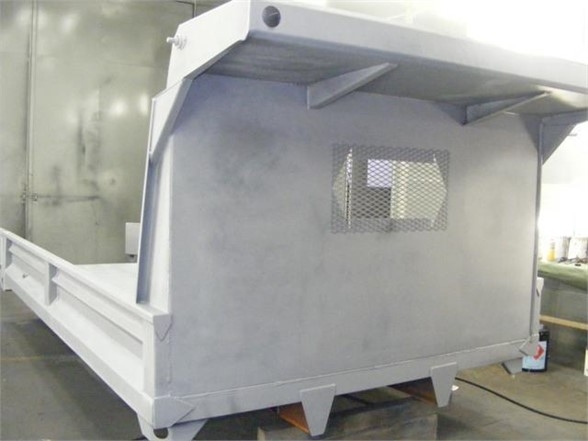
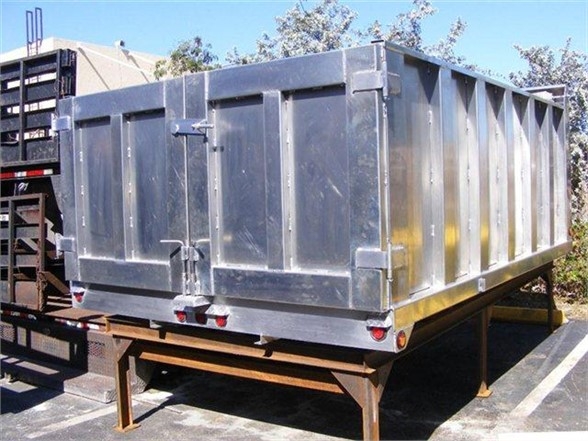
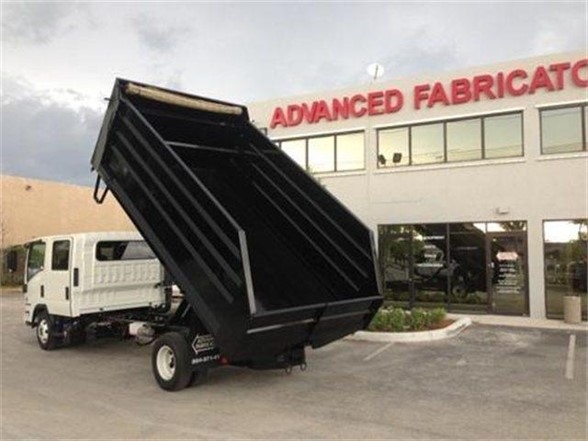
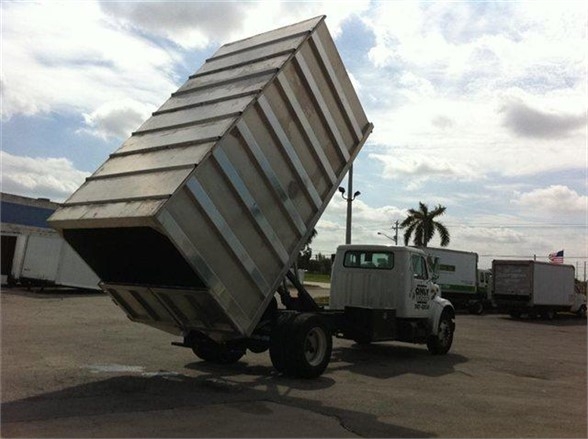
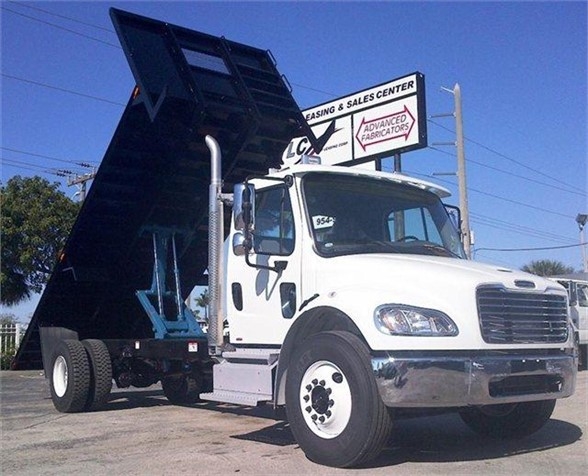
Material choice matters. Steel bodies are common for hard daily work where abrasion resistance and rigidity are priorities, while aluminum bodies are often selected to cut tare weight and protect payload on chipper, trash, and lighter bulk-material routes. Landscape dump bodies usually feature higher solid sides and barn doors for mulch, debris, and loose material, while chipper and trash bodies may use tall side walls and roof structures to increase cubic capacity. Flatbed dump configurations add another layer of versatility for contractors who need to haul palletized material, equipment, or secured loads and still retain dump capability through a hoist system such as electric-over-hydraulic or PTO-driven telescopic or scissor hoists.
Fit-up to the chassis is just as important as the body itself. Buyers should confirm cab-to-axle compatibility, body width, hinge placement, bulkhead clearance, rear overhang, and hoist geometry before focusing on accessories. A body with the right longsills, proper subframe design, and correctly matched hoist will perform better and last longer than one that simply looks heavy-duty on paper. It also pays to review practical details such as cab protectors, bulkhead windows, weld-on winches, ICC bumper location, tow hooks, mud flap brackets, backup alarms, tarp operation, and receiver-style hitch setups if the truck will pull equipment or work in landscaping, tree service, or municipal duty.
For Florida buyers, corrosion exposure, year-round operation, and application-specific payload needs often influence the decision between painted steel and aluminum construction. Bodies used in tree work, storm cleanup, site development, and local hauling often benefit from simple, repairable designs with standard lighting and straightforward hydraulic components. If you are comparing Advanced Fabricators parts or body-related components, the best value usually comes from matching the body style to the material being hauled, the truck's axle ratings, and the loading method used every day. A well-spec'd vocational body will improve payload efficiency, dumping performance, and service life more than cosmetic options ever will.
Frequently Asked Questions about Advanced Fabricators Parts in Florida
What types of truck body parts and components are common with Advanced Fabricators equipment?
Advanced Fabricators equipment is commonly associated with vocational body components used on dump bodies, flatbed dump bodies, chipper bodies, landscape bodies, and trash bodies. Typical parts and structural elements include steel or aluminum floors, side walls, bulkheads, barn doors, crossmembers, longsills, tarp systems, mud flaps, hitch assemblies, light packages, and hoist-related mounting components. Buyers should also expect body-specific hardware such as grab handles, cab protectors, side steps, ICC bumpers, and chassis-mount accessories depending on the application.
How do I choose between a steel body and an aluminum body?
Steel is usually the better fit for severe-duty work where impact resistance, rigidity, and lower repair complexity matter most. Aluminum is often the better choice when payload retention and corrosion resistance are priorities, especially on chipper, trash, and lighter bulk-material applications. The right decision depends on what the truck hauls every day, how aggressively the body is loaded, and whether the operation values maximum durability or lower body weight.
What body specs matter most when comparing dump body components?
The most important specs are floor thickness, side wall height, crossmember spacing, longsill size, door configuration, and hoist compatibility. A 3/16-inch floor, closely spaced crossmembers, and properly sized channel longsills generally indicate a body built for heavier vocational use. Buyers should also verify bulkhead design, tarp style, hinge placement, and lighting layout because those details affect daily usability, safety compliance, and long-term durability.
Why is hoist selection important on a dump or flatbed dump body?
The hoist determines how the body lifts, how stable it is under load, and how well it matches the chassis and intended payload. Electric-over-hydraulic hoists are common on lighter applications, while PTO-driven scissor or telescopic hoists are often preferred for higher-cycle or heavier-duty work. A mismatch between body size, load type, and hoist design can lead to poor dumping angles, instability, or premature wear on the body and chassis mounting system.
What should I verify before installing or buying body-related parts for a work truck?
Confirm the truck's cab-to-axle dimension, frame width, axle ratings, wheelbase, and intended body length before selecting parts or body assemblies. It is also important to check hinge point location, rear overhang, bulkhead clearance, and compatibility with PTO or electric hydraulic systems. Proper fit is critical because even a well-built body or component package can create handling, clearance, or durability problems if it is not matched correctly to the chassis.