
2023 Parts For Sale
Browse 2023 truck parts for sale, including engines, body parts, accessories, and component upgrades for repair, replacement, or customization.
Learn more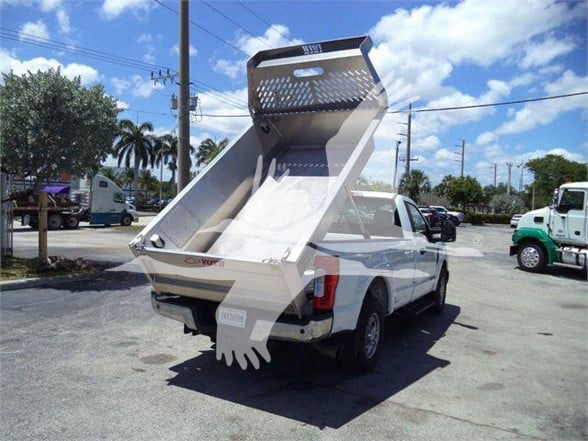
Have 2023 part to sell? List it here to reach thousands of buyers.
About 2023 Parts
For hard parts such as engines, transmissions, differentials, and aftertreatment components, confirm serial numbers, horsepower ratings, torque settings, emissions level, and any included accessories before purchase. For body and exterior parts like hoods, doors, cabs, bumpers, and lights, check model-year crossover, hood length, headlamp style, grille design, and mounting hardware. On vocational equipment and add-on components such as dump bodies, tarp systems, dunnage racks, toolboxes, and trailer accessories, pay close attention to material type, deck or body dimensions, crossmember spacing, frame attachment method, and clearance requirements. Aluminum components reduce weight and resist corrosion, while steel often remains the better choice for high-impact or severe-duty use.
Condition matters differently depending on the part class. A used hood or cab may be a good value if the mounting structure is straight and repairable, but powertrain parts need a much tighter review of run condition, inspection notes, warranty terms, and any core charge. Buyers should also ask whether the part was removed from a running truck, tested on the vehicle, or rebuilt to spec. For electronic and emissions-related parts, software compatibility and sensor condition are just as important as physical appearance. If uptime is the priority, complete takeout assemblies with documented provenance often reduce installation delays compared with incomplete or unknown-condition pieces.
This category also serves buyers looking to upgrade equipment rather than simply replace failed components. Trailer accessories can improve storage, safety, and load securement efficiency. Vocational bodies can be configured around payload type, side height, door style, tarp setup, and chassis dimensions. The best buying decisions come from matching the part to the truck's application, duty cycle, and expected service life. Accurate measurements, part numbers, and installation requirements will usually matter more than price alone when a truck needs to get back to work quickly.
Frequently Asked Questions
What should I verify before buying a 2023 truck or trailer part?
Start with OEM part numbers, VIN-based fitment, serial numbers, and the exact make, model, and configuration of the truck or trailer. For mechanical parts, verify ratings, emissions compatibility, sensor provisions, and included accessories. For body parts and vocational components, confirm dimensions, mounting points, wiring connections, and hardware requirements. Fitment mistakes are one of the biggest causes of extra downtime and return issues.
Are used truck parts a good option for late-model equipment?
Used parts can be a strong value if the component has clear provenance and has been properly inspected. Cosmetic parts such as hoods, doors, and cabs are often purchased used when structural condition is sound. Engines, transmissions, and emissions components require closer scrutiny, including test results, run condition, warranty coverage, and any core charge. The savings can be substantial, but documentation matters.
How important is VIN or serial number matching when buying parts?
It is critical, especially on newer trucks with multiple running changes in the same production cycle. A 2023-compatible part may still vary by engine family, emissions package, chassis spec, or build date. VIN and serial number checks help confirm connector style, mounting layout, calibration needs, and superseded part numbers. This reduces the risk of ordering a part that physically fits but will not function correctly.
What is the difference between OEM, takeoff, rebuilt, and aftermarket parts?
OEM parts are built to the original manufacturer specification. Takeoff parts are removed from a truck or trailer, often as complete used assemblies. Rebuilt parts have been remanufactured or reconditioned to a serviceable standard, usually with replacement of wear items. Aftermarket parts are produced by third-party manufacturers and can range from economy replacements to premium heavy-duty upgrades. The right choice depends on budget, uptime demands, and the level of fitment certainty required.
Which details matter most on vocational and accessory parts like dump bodies or dunnage racks?
Dimensions, material type, attachment method, and clearance are the main buying factors. On dump bodies, buyers typically review body length, side height, floor thickness, crossmember spacing, longsill construction, door style, and tarp setup. On racks and trailer accessories, frame compatibility, drilling or clamp-on installation, ground clearance, and ease of access are key. These details affect payload, durability, and how well the part integrates with the chassis or trailer.