
2020 Parts For Sale
Shop 2020 truck parts including engines, cabs, hoods, body components, and drivetrain pieces for repair, rebuild, or fleet maintenance.
Selling a 2020 part? List your 2020 part for sale and reach thousands of commercial buyers.
2020 Parts
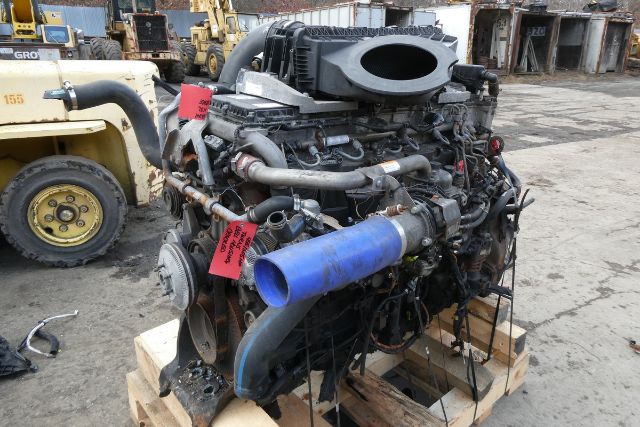
For powertrain parts, 2020 model-year equipment commonly means modern emissions-era diesel components with more electronics and tighter calibration requirements than older mechanical systems. Engines such as Detroit, Cummins, and PACCAR platforms may be sold as runners, take-outs, long blocks, or cores, and that distinction matters. A core engine may have value for rebuildable hard parts but still require machine work, ECM transfer, sensors, harnesses, or a replacement bellhousing and front cover depending on damage. Buyers comparing used 2020 engines, transmissions, and differentials should check horsepower and torque ratings, CPL or engine serial data, aftertreatment compatibility, and whether the sale includes accessories, wiring, and control modules.
Cab and body parts from 2020 trucks are often purchased to shorten downtime after road damage or yard incidents. Hoods, doors, cabs, bumpers, fairings, and vocational bodies need more than a simple year match. Hood hinge locations, headlamp style, set-back or set-forward axle configuration, sleeper versus day cab layout, and emissions packaging can all affect interchange. On vocational equipment, dimensions such as body length, side height, crossmember spacing, hoist compatibility, and material type such as aluminum or steel are just as important as make and model. Buyers should also inspect for corrosion, repair history, stress cracking around mounts, and completeness of the assembly.
The strongest 2020 parts purchases are the ones backed by clear identification and realistic condition grading. Used, remanufactured, rebuilt, and core parts each serve a different purpose. A fleet maintenance buyer may prioritize OEM take-off components with verified mileage, while an owner-operator may focus on a lower-cost used hood, cab, or engine core to get a truck back into service. Good listings in this category usually provide casting numbers, tag information, VIN application, damage notes, and what is or is not included in the sale. On late-model trucks, that level of detail saves time and reduces the risk of buying a part that physically fits but does not communicate correctly with the truck.
Frequently Asked Questions about 2020 Parts
What should I verify before buying a 2020 truck part?
Start with the VIN, OEM part number, and the exact truck configuration the part came from. On late-model 2020 equipment, year alone is not enough because the same make and model may have multiple engine ratings, emissions packages, wiring revisions, hood designs, and cab layouts. For drivetrain parts, confirm serial numbers, calibration family, and included accessories. For body and cab parts, confirm mounting points, dimensions, and whether the assembly is complete or stripped.
Are 2020 truck parts interchangeable with nearby model years?
Sometimes, but interchange depends on the specific component and OEM updates. Many hoods, doors, cabs, engines, and aftertreatment parts fit across several model years, but mid-cycle changes in lighting, sensors, brackets, emissions hardware, and electronic controls can create expensive mismatch issues. The safest approach is to cross-reference VIN application and part numbers rather than assuming a 2019, 2020, or 2021 part will swap directly.
What does it mean when a 2020 engine is listed as a core?
A core is typically an engine sold for rebuild or parts value, not as a ready-to-run unit. It may turn over by hand, have major external damage, or be missing bolt-on components such as the turbo, harness, ECM, or accessories. Core engines can be a cost-effective starting point for a rebuild, but buyers should budget for teardown, inspection, machining, replacement hard parts, and possible emissions-system work before returning the engine to service.
Is a used 2020 cab or hood a good option for collision repair?
In many cases, yes. A used 2020 cab or hood can reduce repair costs and shorten downtime compared with buying new, especially on common fleet models. The critical checks are structural condition, prior repairs, corrosion, mounting integrity, and whether the panel or assembly matches the truck's lighting, grille, and hinge setup. A lower-priced part is not necessarily the better value if it needs fiberglass repair, paint work, or missing hardware to become usable.
Why are 2020 parts often attractive to fleet buyers and repair shops?
2020 parts offer a practical middle ground between new replacement parts and older salvage components. They are late enough to match modern fleet equipment and support current repair needs, but often priced well below new OEM assemblies. For maintenance operations, body shops, and rebuilders, that combination can make 2020 parts useful for keeping trucks in service while controlling total repair cost.