
2011 Parts For Sale
Shop 2011 truck parts for sale, including used and new heavy-duty components for engines, cabs, bodies, accessories, and trailer equipment.
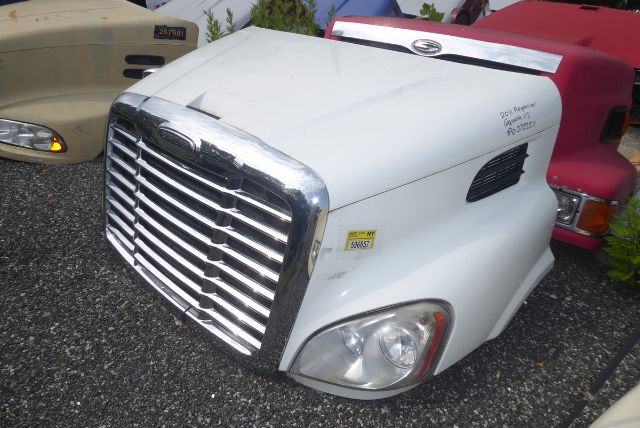
Selling a 2011 part? List your 2011 part for sale and reach thousands of commercial buyers.
2011 Parts
The biggest buying decision is usually between drivetrain-related parts and vocational or body-related components. Engine assemblies, take-outs, aftertreatment pieces, cooling components, and cab parts need close attention to horsepower ratings, emissions family, ECM compatibility, and chassis configuration. On 2011 trucks, that often means confirming EPA 2010 emissions systems such as DPF, DEF, SCR, EGR, sensors, and related wiring before purchase. For cabs, hood assemblies, doors, dash components, and sleepers, buyers should check wheelbase, day cab versus sleeper setup, and any differences tied to trim level or multiplex electrical systems. For body and trailer-related parts such as flatbed equipment, headache racks, dunnage racks, and mounting hardware, frame width, rail style, crossmember spacing, and clearance around suspensions or toolboxes matter just as much as overall dimensions.
Condition and completeness drive value in the 2011 parts market. A used engine that runs well can still require a core exchange, accessory transfers, or verification of turbo, injector, and harness condition. Structural parts such as flatbeds, racks, and bulkheads should be checked for cracks, corrosion, bent mounts, and prior repairs, especially on aluminum components where fatigue can be harder to spot. Buyers comparing used versus new parts should weigh downtime against cost. New fabrication or accessory pieces can reduce fitment surprises, while used OEM components often offer the best match for factory mounting and appearance if they come from the same truck family.
For buyers searching 2011 parts, the practical approach is to confirm fit, completeness, and installation scope before focusing only on price. Ask for measurements, connector photos, engine serial data, mounting details, and any notes on removed-from application. That is especially important for parts categories with frequent cross-compatibility, including engines, cabs, truck bodies, headache racks, and trailer accessories. A well-matched 2011 truck part can extend service life, control repair costs, and keep a chassis working without the delays that come from ordering the wrong component twice.
Frequently Asked Questions about 2011 Parts
Do 2011 truck parts only fit 2011 trucks?
No. Many 2011 truck parts interchange across several model years within the same OEM platform, but fitment should never be assumed from year alone. Manufacturers often carried the same cab, engine family, or frame layout for multiple years, while also making running changes to sensors, emissions systems, wiring, and brackets. The safest way to confirm compatibility is by checking the VIN, engine serial number, OEM part number, and the removed-from application.
What should I verify before buying a used 2011 diesel engine?
Start with engine model, horsepower rating, serial number, and emissions configuration. On a 2011 engine, it is critical to confirm whether the setup includes EPA 2010 aftertreatment components such as DPF, DEF, SCR, EGR hardware, and the related sensors and control modules. Buyers should also ask whether the engine is complete from fan to flywheel, whether it is sold with a core requirement, and whether accessories like the turbo, wiring harness, ECM, and starter are included.
Are 2011 cab and body parts difficult to match?
They can be, especially when the truck has trim-level differences, multiplex wiring, or vocational upfits. A 2011 cab may look identical to another unit from the outside but still have different dash layouts, harness connections, mirror mounts, or sleeper provisions. For flatbeds, dump bodies, racks, and other body-related parts, buyers should confirm frame width, body length, bulkhead dimensions, crossmember layout, and mounting method before committing.
Is used or new better for 2011 truck parts?
It depends on the part category and the cost of downtime. Used OEM parts are often the best choice when factory fit, original mounting points, and lower acquisition cost matter most, especially for cabs, doors, hoods, and take-out drivetrain components. New parts can make more sense for fabricated equipment, mounting systems, accessories, or replacement items where corrosion, fatigue, or wear on used parts could create extra labor or shorten service life.
What details help confirm a 2011 part will work before shipping?
Clear photos and exact measurements are the most useful starting point. Buyers should request data tags, casting numbers, connector close-ups, mounting hole patterns, and any dimensions tied to frame rails, body width, or bracket spacing. For engines and electronic components, serial numbers and module identifiers are especially important. Those details reduce the risk of buying a part that is close in appearance but wrong in fit or function.