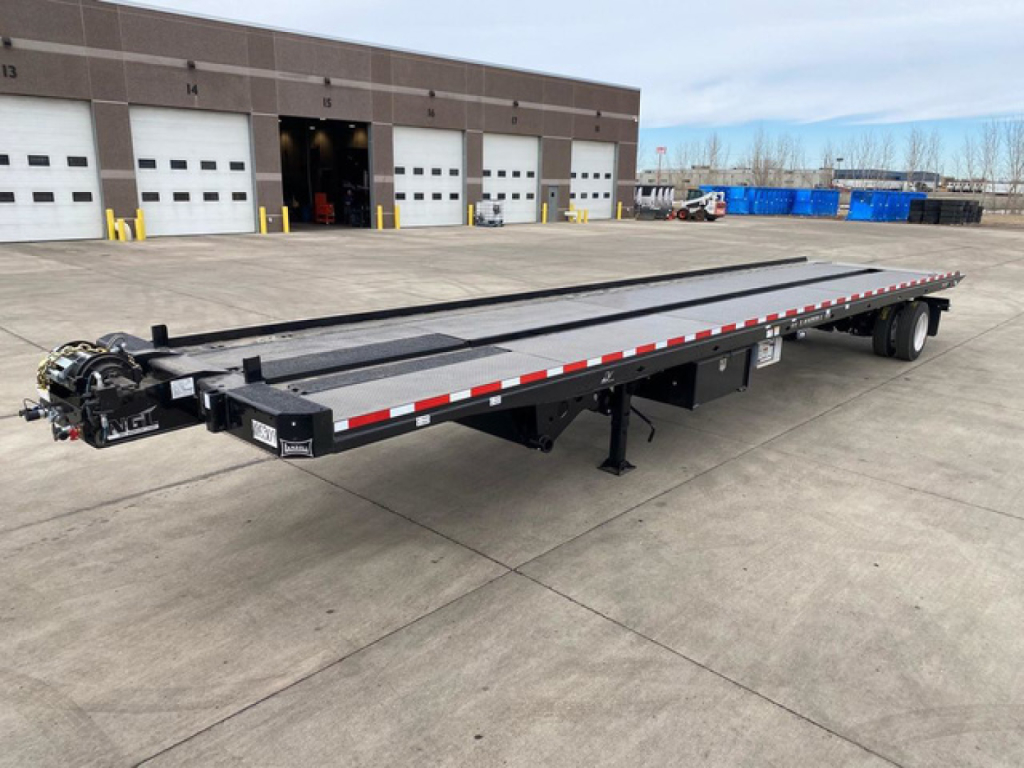
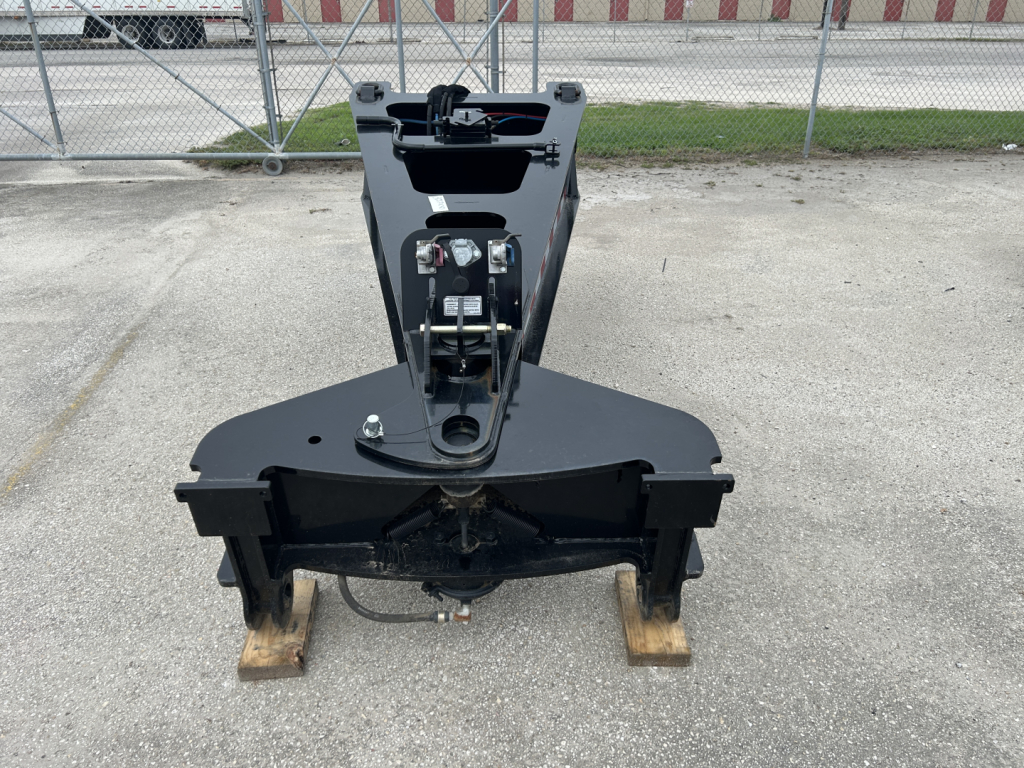
New Other Trailers For Sale
Shop new other trailers including specialty haul, flip axles, spreader bars, liquid tenders, and niche trailer equipment for demanding jobs.
Learn moreHave new other trailer to sell? List it here to reach thousands of buyers.
About New Other Trailers
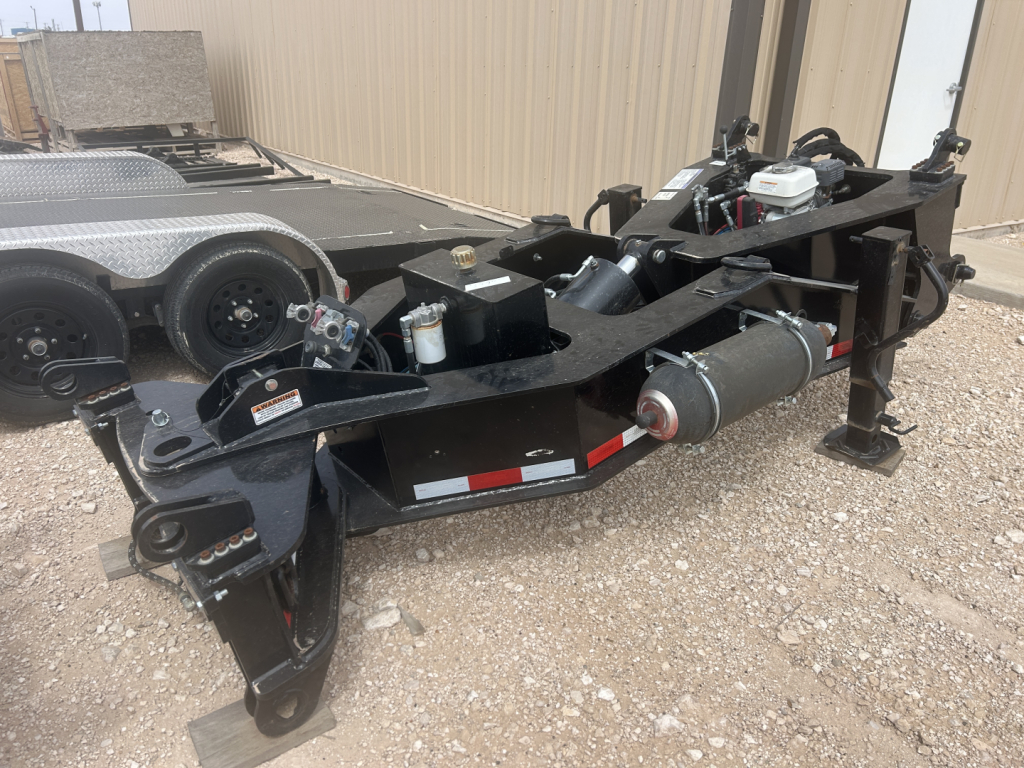
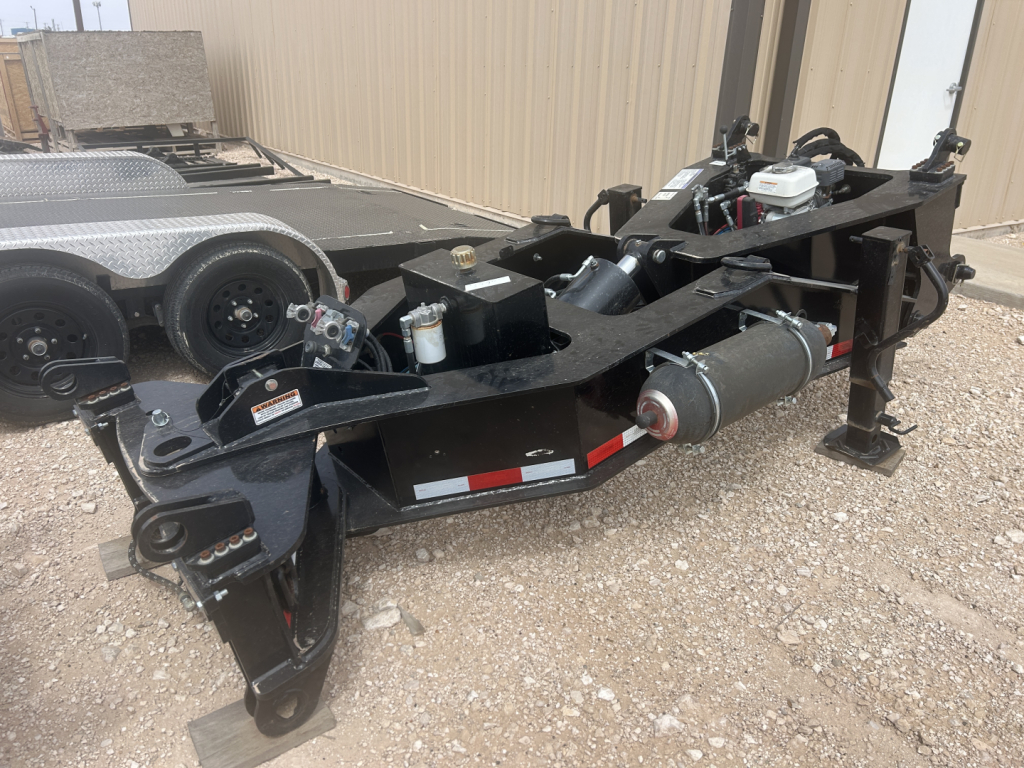
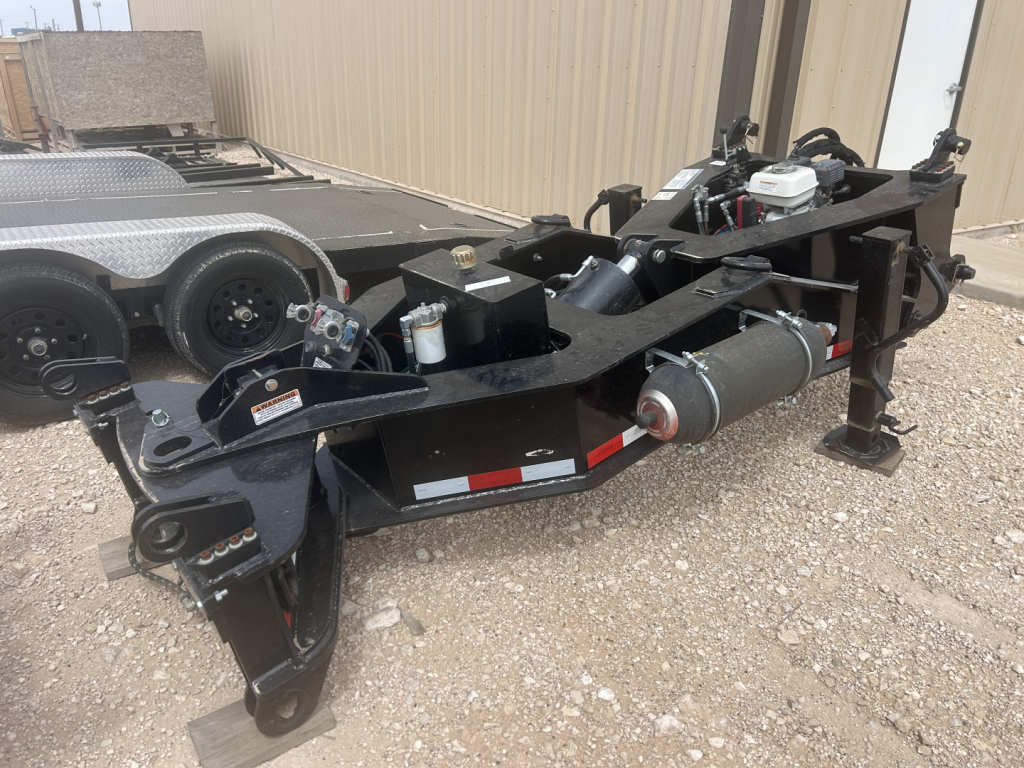
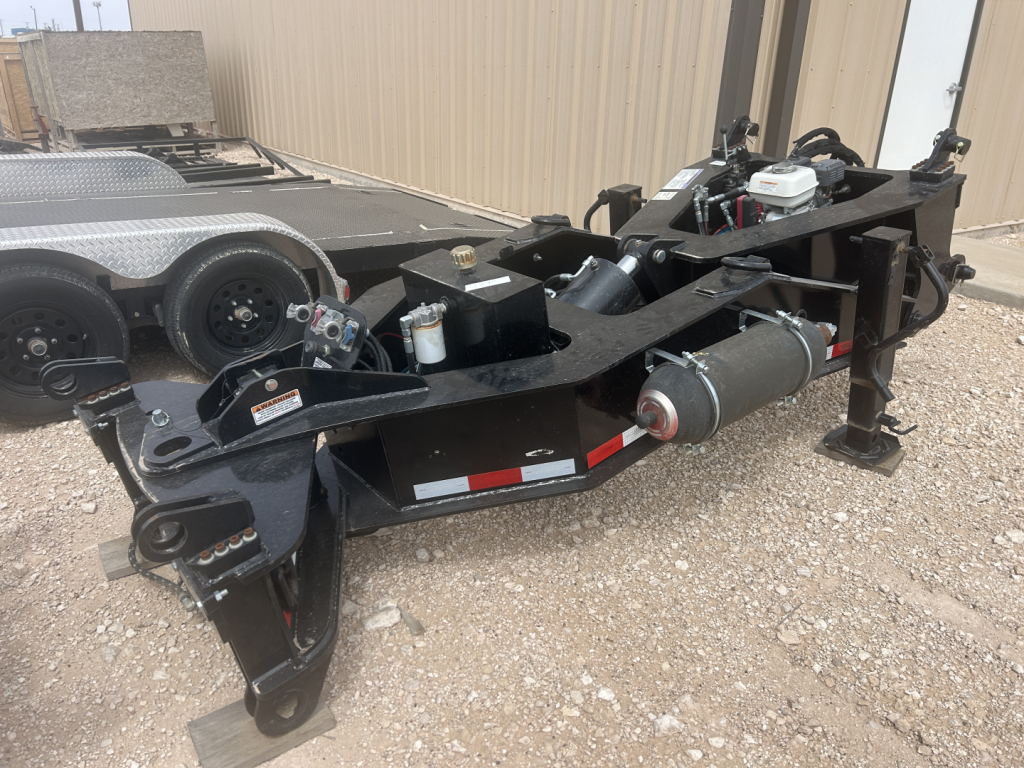
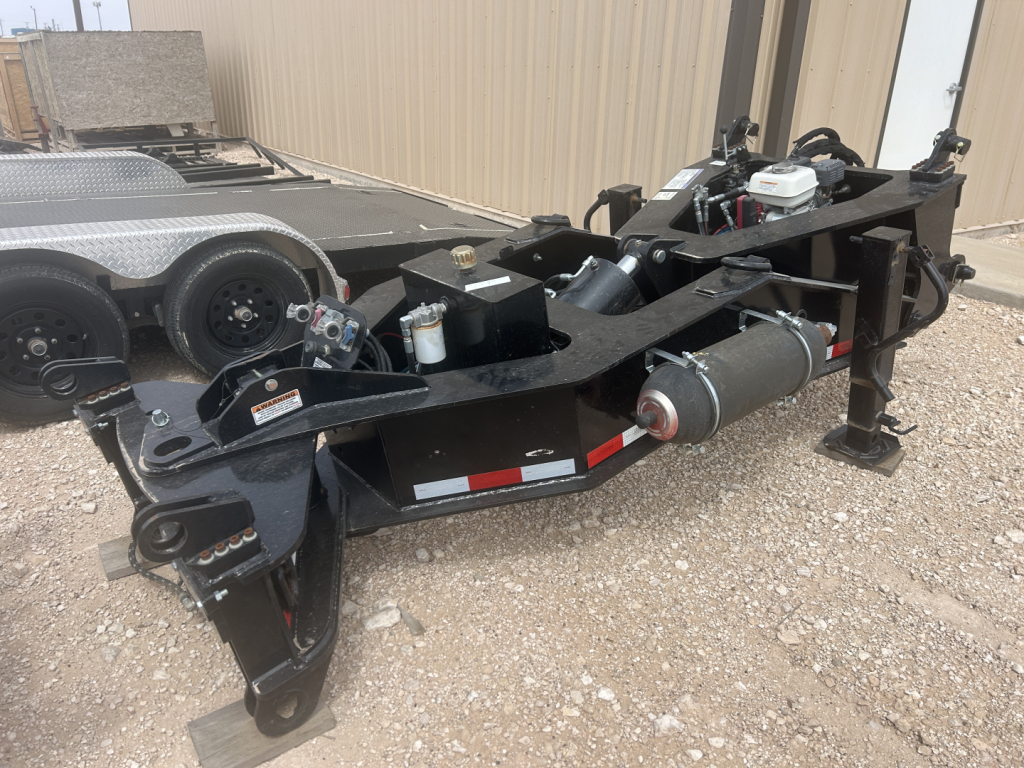
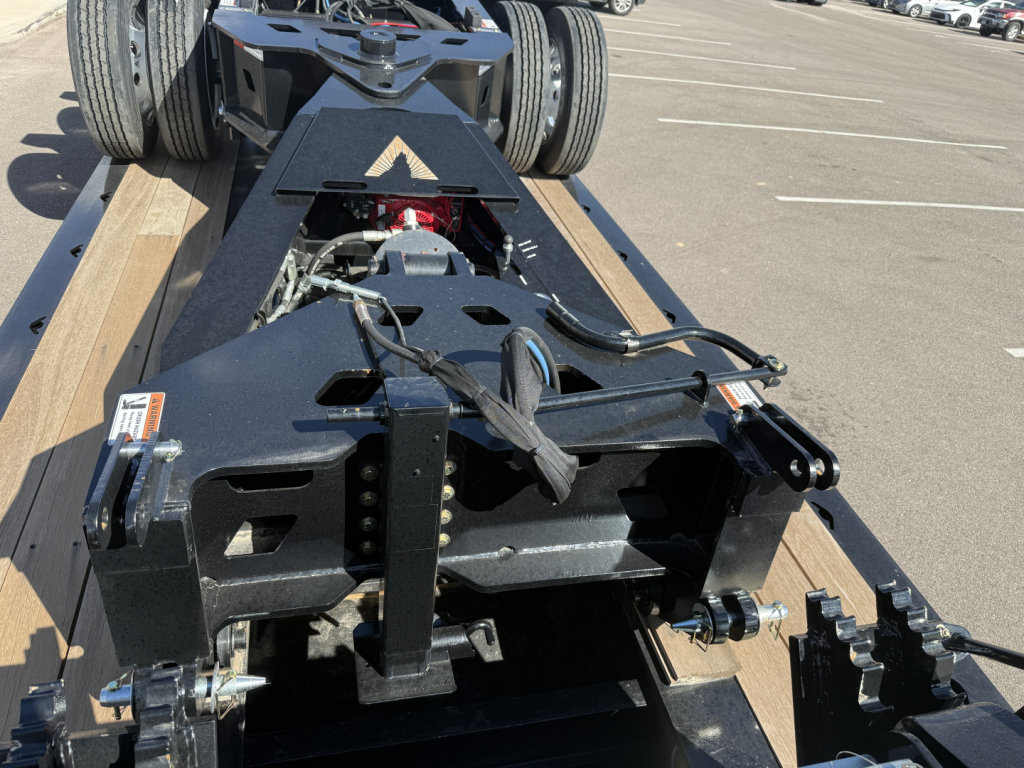
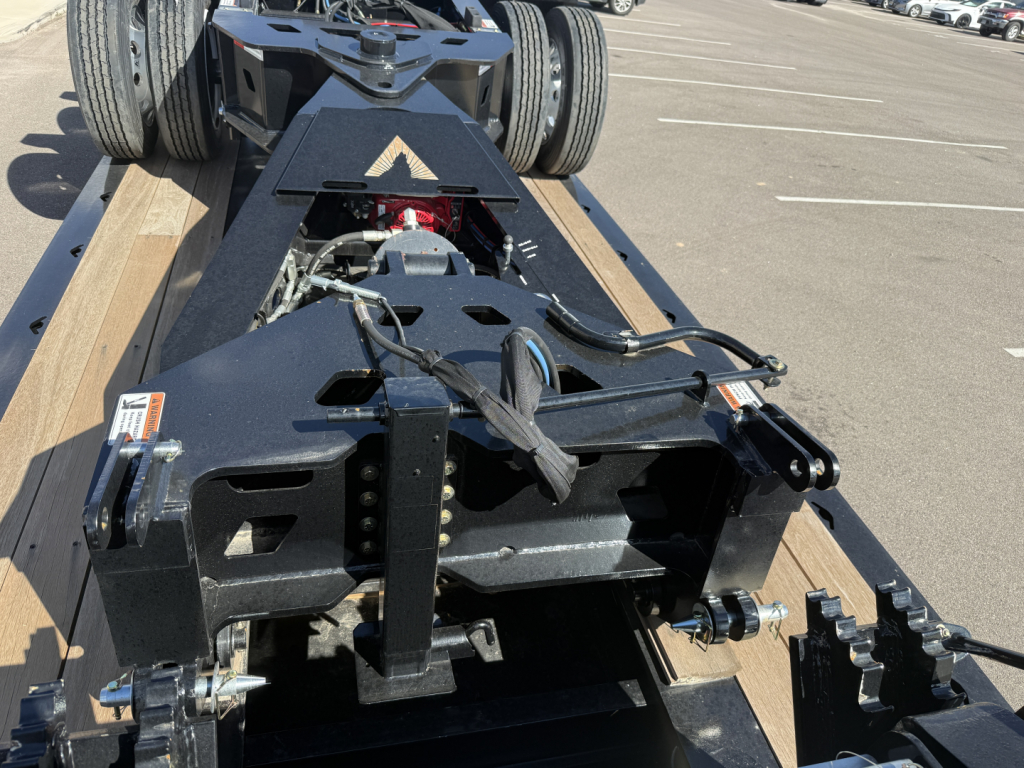
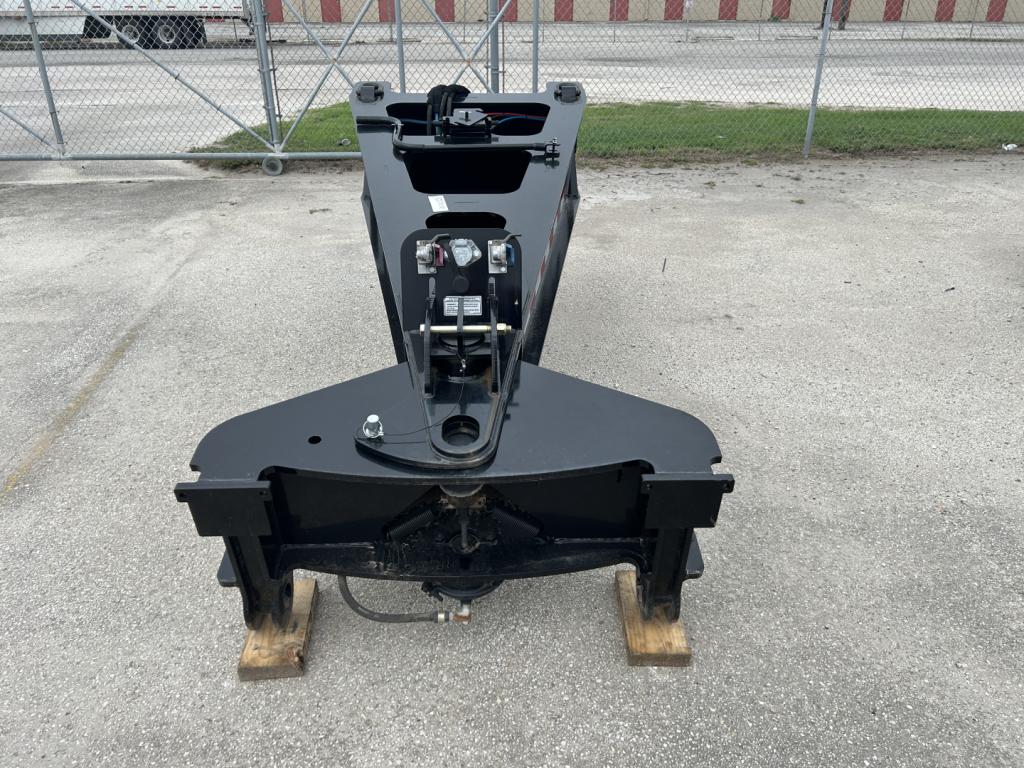
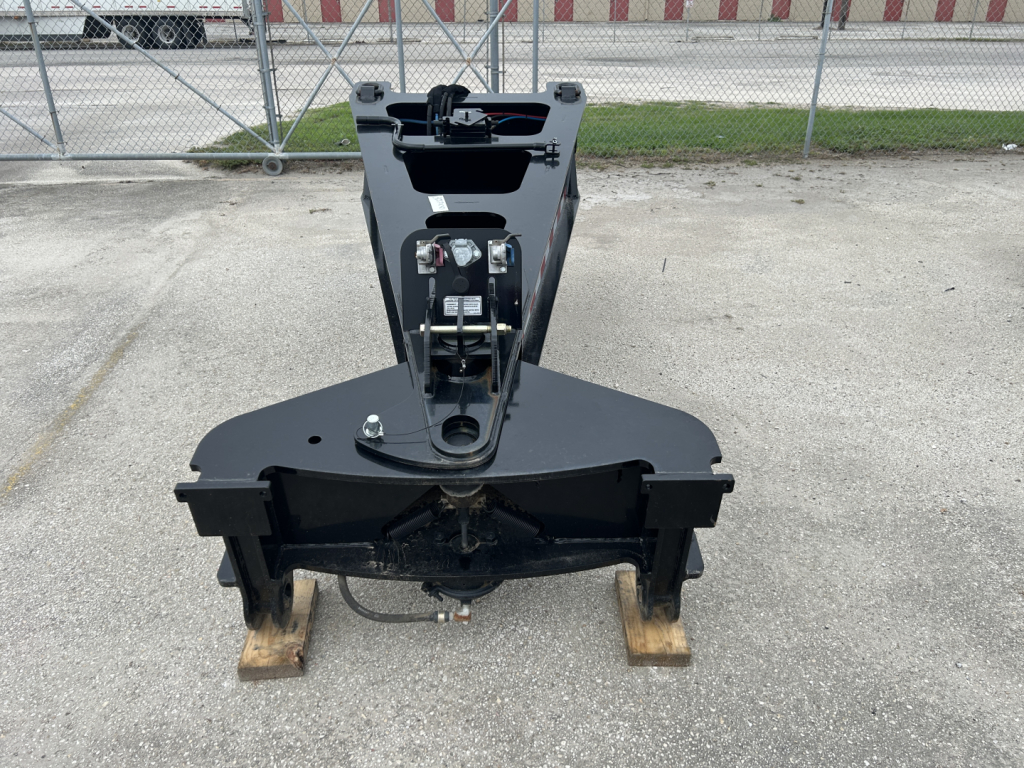
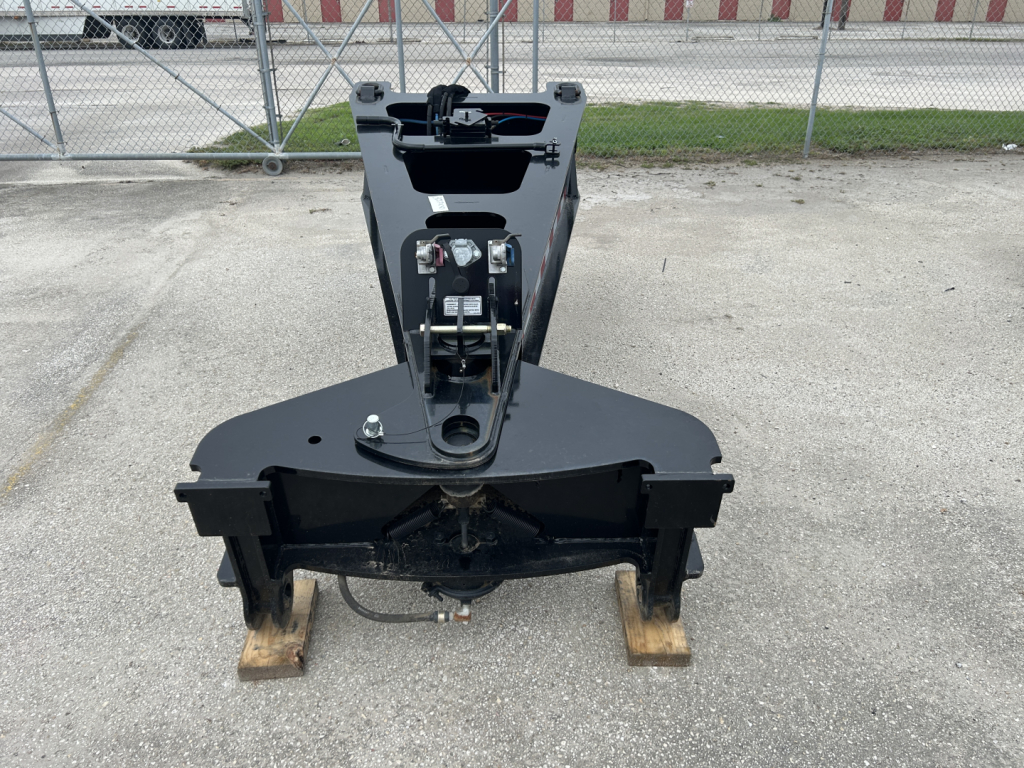
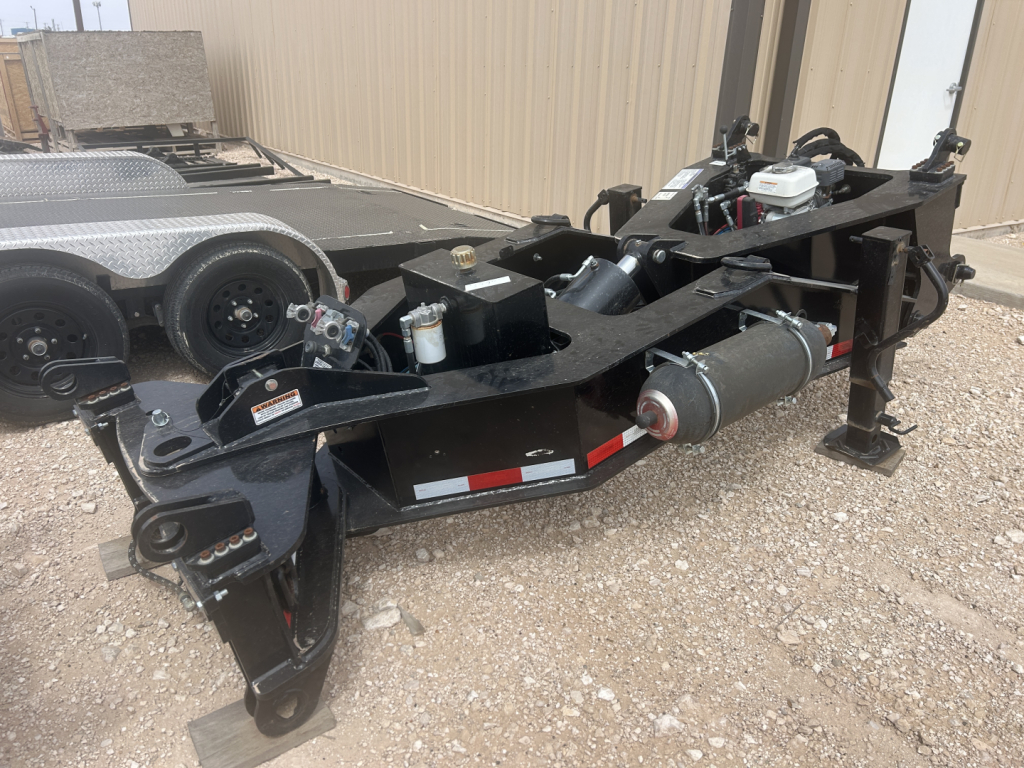
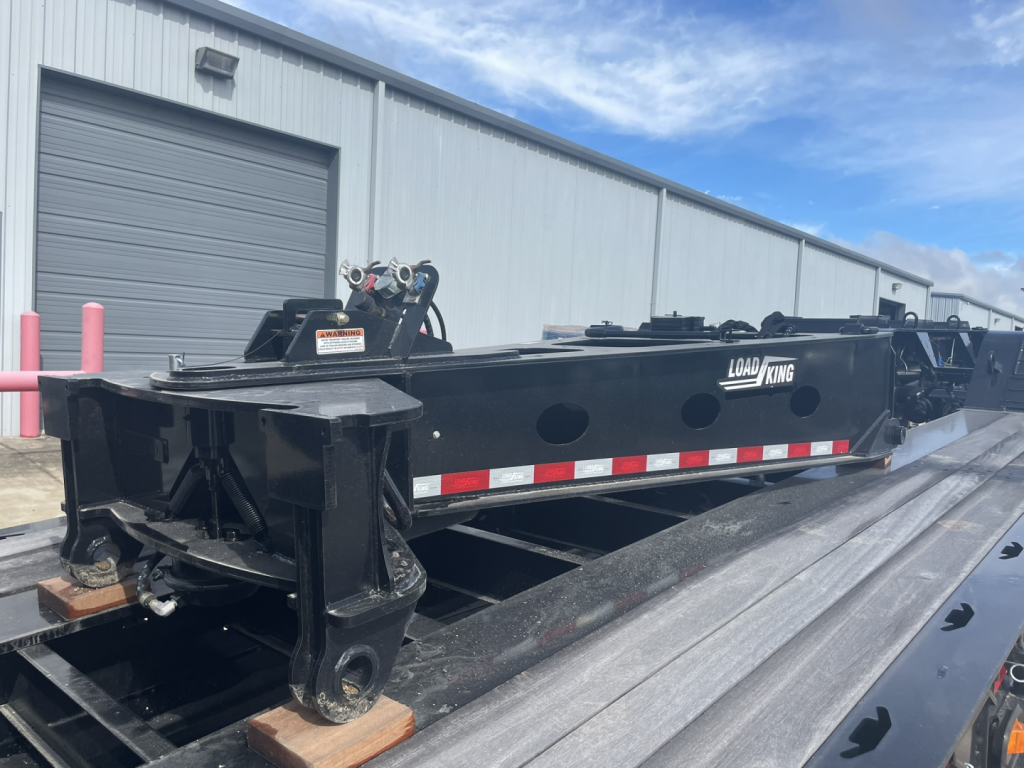
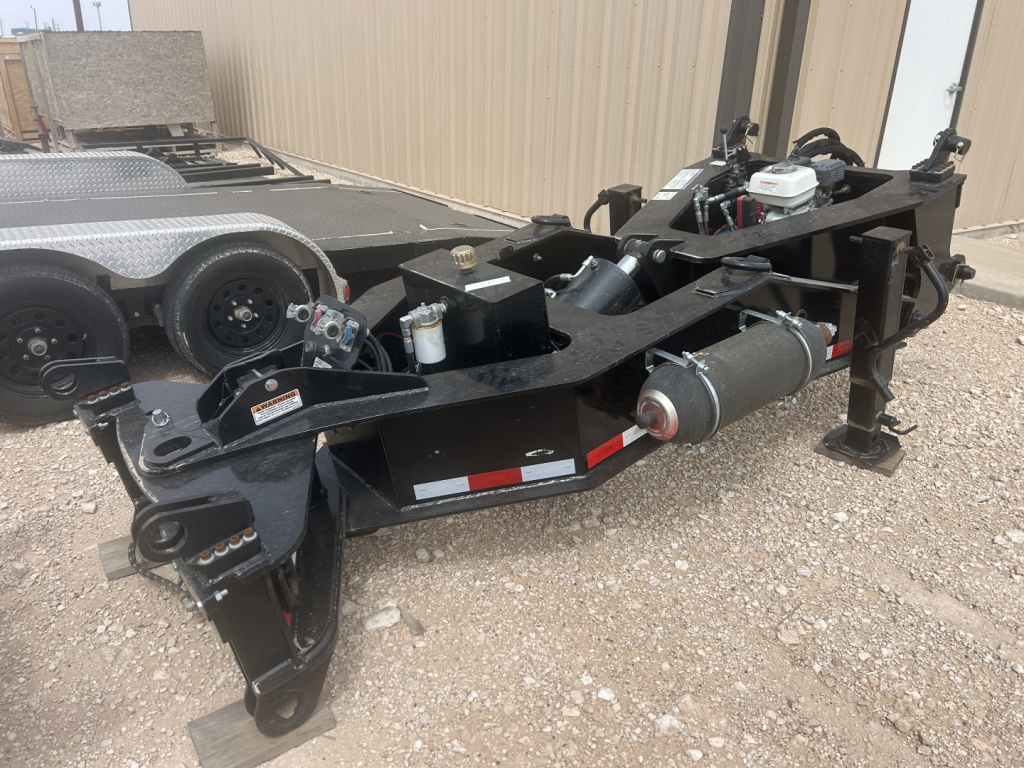
For heavy haul buyers, this category often includes components and specialty configurations used with double drops, lowboys, and detachable goosenecks. Flip axles and spreader bars are common examples. A flip axle can increase legal payload capacity by distributing weight across additional axles, while a spreader bar changes axle spacing to help meet bridge law requirements. On this type of equipment, the important details are axle spacing, rated tonnage, connection style, air and electrical hookups, lock pin design, brake configuration, and whether the setup is built to accept one or two flip axles. Steel construction is common because these products are built for concentrated loads and repeated heavy-duty use.
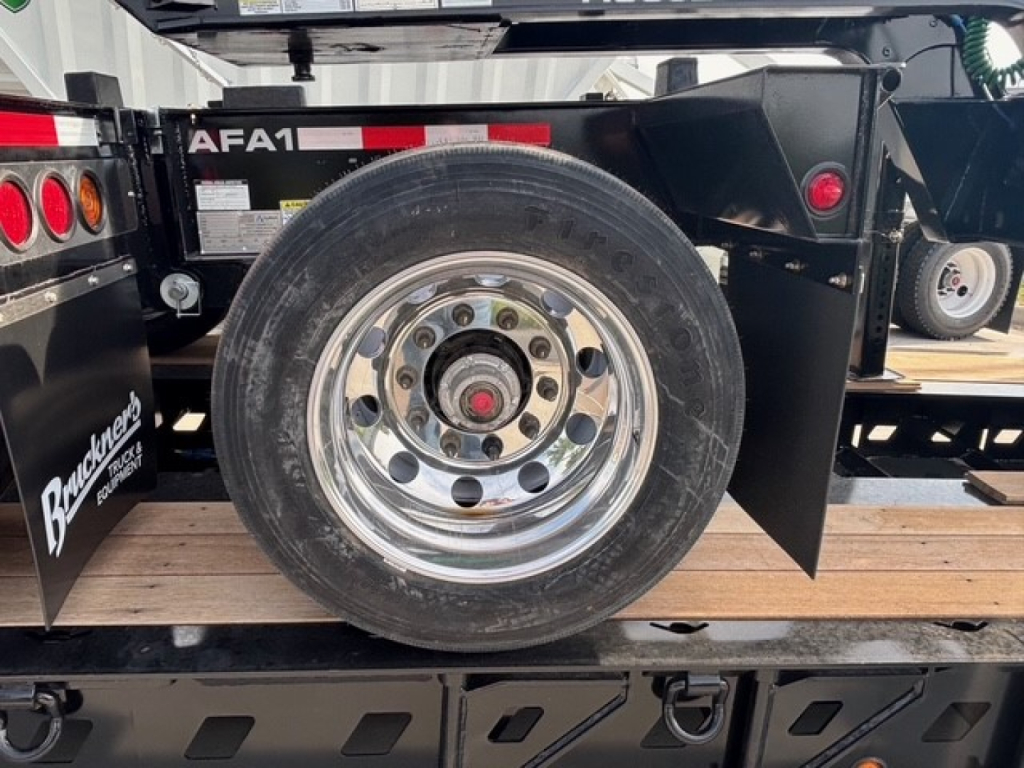
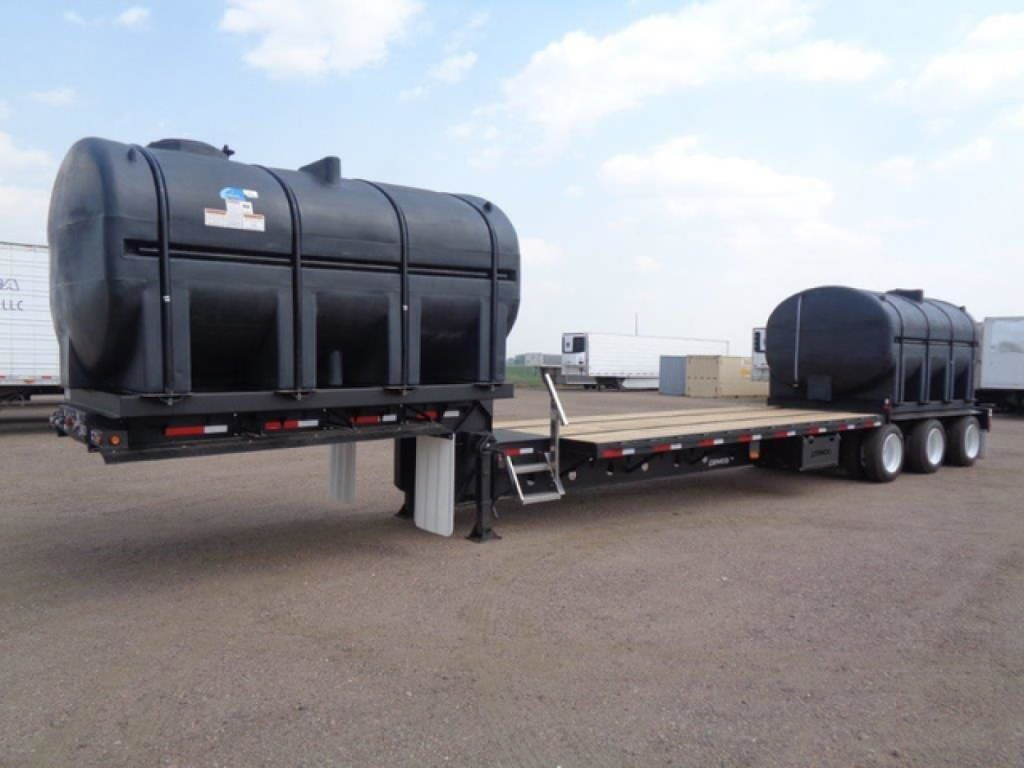
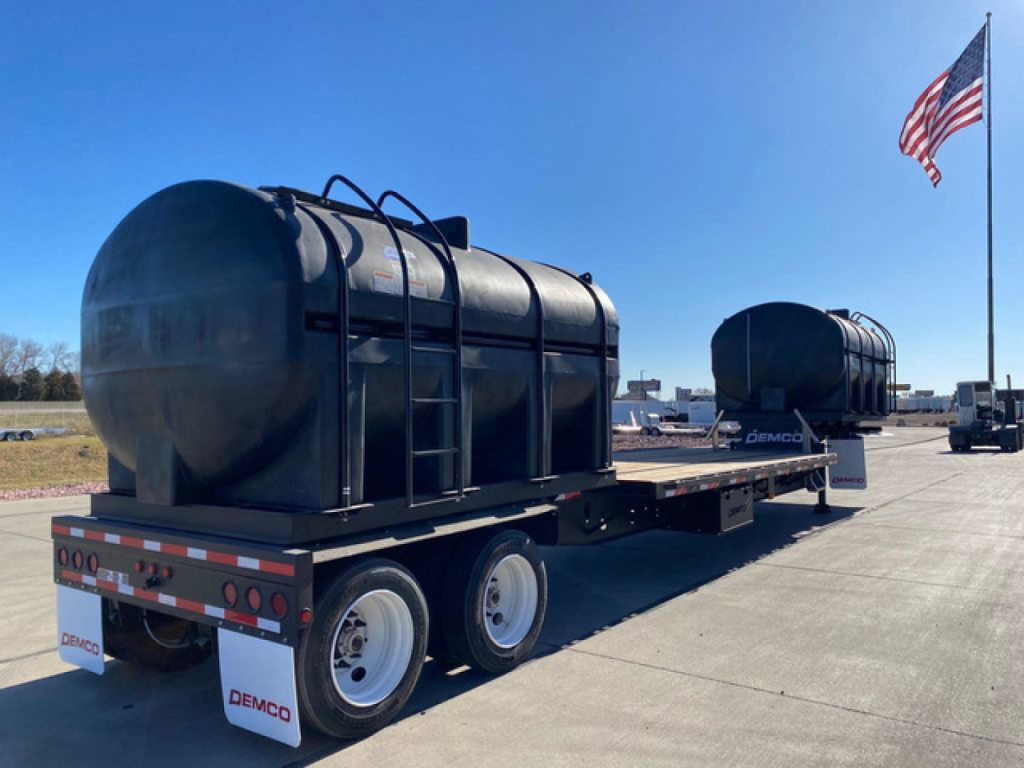
This category also includes specialized support trailers such as liquid tenders and equipment designed for agriculture, construction, or field service. In those cases, buyers should pay close attention to tank or deck layout, suspension type, tire size, overall length, and how the trailer will operate in soft ground, jobsite, or seasonal road conditions. Air ride suspension, triple axle layouts, 22.5-inch rubber, steel or aluminum wheel packages, and simplified service access are all common considerations. On specialty trailers with moving or hydraulic functions, remote controls, winches, lighting packages, tire inflation systems, and landing gear specifications can make a real difference in daily use and downtime.
Because this category is broad, the smartest approach is to start with the application and work backward into the spec. Confirm the load, route, bridge formula needs, tractor compatibility, and any state permitting issues before comparing length, deck height, or accessories. On new specialty trailers, buyers often focus on low-maintenance components, parts support, corrosion protection, and exact fit with existing fleet equipment. A well-matched specialty trailer can improve legal payload, reduce setup time, and make difficult loads or field operations more predictable.
Frequently Asked Questions
What is included in the other trailers category?
The other trailers category typically includes specialty trailer equipment that falls outside standard trailer classes. Common examples include flip axles, spreader bars, liquid tenders, specialized hauling platforms, and niche application trailers used in heavy haul, agriculture, construction, and field service. These units are usually selected for a specific operational need rather than general freight use.
What should I check when buying a new flip axle or spreader bar?
The most important items are compatibility and legal weight distribution. Check the rated capacity, center-to-center axle spacing, connection style, brake setup, air and electrical connections, and whether the unit is built for your specific trailer model or deck width. Buyers also need to confirm bridge law requirements, permit expectations, and whether the setup is designed to run one or multiple flip axles.
Are air ride suspensions common on specialty trailers?
Yes, air ride suspension is common on many specialty trailers because it improves ride quality, helps protect sensitive loads and equipment, and can simplify load handling on uneven surfaces. On heavy haul or field-use equipment, buyers should also look at dump valve function, axle ratings, suspension brand, and serviceability. In some applications, mechanical suspension may still be preferred for simplicity or severe-duty use.
How important is tire and wheel spec on specialty trailers?
Tire and wheel spec matters because specialty trailers often carry concentrated loads or operate in demanding conditions. Buyers should match tire size, load range, and wheel material to the trailer’s actual duty cycle. Common specs include 17.5-inch or 22.5-inch tires, with steel wheels or aluminum outer and steel inner combinations. The right setup affects maintenance cost, parts availability, and overall durability.
Why does trailer application matter more in this category than in standard trailers?
Specialty trailers are usually built around a narrow use case, so the wrong spec can create immediate problems with payload, legal compliance, setup time, or compatibility. A liquid tender has different priorities than a heavy haul spreader bar, and a flip axle has different requirements than a traveling axle trailer. Buyers should define the load, operating environment, route restrictions, and support equipment first, then choose the trailer or attachment that matches those demands.