
New CIMC Reefer Trailers For Sale in Illinois
New CIMC reefer trailers for sale in Illinois. Compare insulated van specs, corrosion resistance, thermal efficiency, and cold-chain features.
Learn more
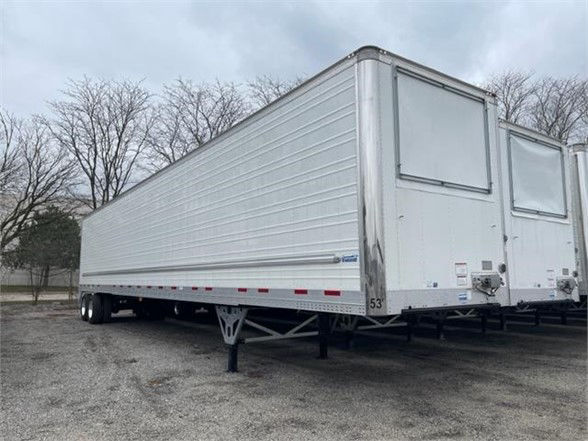
Have new cimc reefer trailer to sell? List it here to reach thousands of buyers.
About New CIMC Reefer Trailers in Illinois
A strong reefer spec starts with the trailer body. Buyers should look closely at insulated wall and roof panel construction, door seal quality, floor design, and the amount of galvanized steel used in exposed and high-wear areas. CIMC reefer trailers are known for emphasizing thermal efficiency and corrosion resistance, which can matter in Illinois operations where road salt, moisture, and freeze-thaw cycles are hard on trailers. Features often seen in this class include swing rear doors, duct floors for air circulation, scuff protection, E-track for load securement, rub rails, and tire inflation systems such as MTIS with ThermALERT. Outside aluminum wheels are also a common spec for weight control and appearance.
The right reefer trailer is not just about holding setpoint. It also needs to load efficiently, protect the floor under heavy pallet traffic, and maintain even airflow from front to rear. Buyers running dense frozen product should pay attention to floor rating, crossmember design, threshold reinforcement, and how the interior lining handles repeated forklift contact. For retail and foodservice lanes, practical details like door opening dimensions, interior height, trailer tare weight, and compatibility with common refrigeration units can affect daily productivity. A well-insulated trailer body can reduce refrigeration run time, support more stable box temperatures, and help limit fuel consumption from the unit over the life of the trailer.
For Illinois fleets, corrosion prevention and year-round durability deserve extra attention. Galvanized components, durable underbody protection, sealed seams, and strong rear frame construction can reduce cosmetic deterioration and structural wear in harsh seasonal conditions. When comparing new CIMC reefer trailers for sale, focus on the trailer's complete operating profile: thermal performance, empty weight, cargo securement layout, maintenance access, and expected resale strength. A reefer that balances insulation efficiency, durable construction, and practical loading features will usually deliver the best long-term value in regional delivery, dedicated contract carriage, and over-the-road refrigerated service.
Frequently Asked Questions
What should I look for first when buying a new CIMC reefer trailer?
Start with the trailer body and insulation package. Thermal efficiency, door seal quality, floor construction, and corrosion protection have more long-term impact than cosmetic features. Buyers should also confirm securement options such as E-track, airflow design such as a duct floor, and compatibility with the refrigeration unit spec they plan to run. A reefer trailer that holds temperature efficiently can reduce unit run time and support lower operating cost over its service life.
Are CIMC reefer trailers a good fit for Illinois operations?
They can be a strong fit because Illinois fleets deal with road salt, moisture, temperature swings, and heavy regional freight cycles. In that environment, galvanized components and strong corrosion resistance are especially valuable. Buyers should pay close attention to underbody protection, rear frame durability, and sealed construction because those details affect maintenance needs and appearance retention over time.
Why does floor design matter so much on a reefer trailer?
The floor has to do two jobs at once: support constant forklift and pallet traffic while also allowing proper air movement under the load. A duct floor helps refrigerated air circulate through the trailer, which supports more even box temperature from front to rear. Floor strength, threshold reinforcement, and wear resistance are critical if the trailer will handle dense frozen freight, high-cycle distribution work, or repeated dock loading.
What cargo is typically hauled in a CIMC reefer trailer?
Reefer trailers are commonly used for frozen foods, chilled groceries, dairy, meat, produce, beverages, pharmaceuticals, and other temperature-sensitive freight. The exact trailer spec should match the cargo profile. Multi-stop foodservice and grocery distribution often benefit from strong securement options, durable interior liners, and efficient airflow, while long-haul frozen applications may place even more emphasis on insulation performance and floor durability.
Do features like tire inflation systems and aluminum wheels matter on a reefer trailer?
Yes, because they affect uptime and operating cost. Automatic tire inflation systems can help maintain proper tire pressure, improve tire life, and reduce roadside issues. Aluminum wheels can help with appearance and weight management. On a reefer trailer, these features are secondary to body integrity and insulation performance, but they still contribute to a more efficient and fleet-friendly overall spec.