
New CIMC Reefer Trailers For Sale
Shop new CIMC reefer trailers built for thermal efficiency, corrosion resistance, and durable cold-chain freight performance.
Learn more
Have new cimc reefer trailer to sell? List it here to reach thousands of buyers.
About New CIMC Reefer Trailers
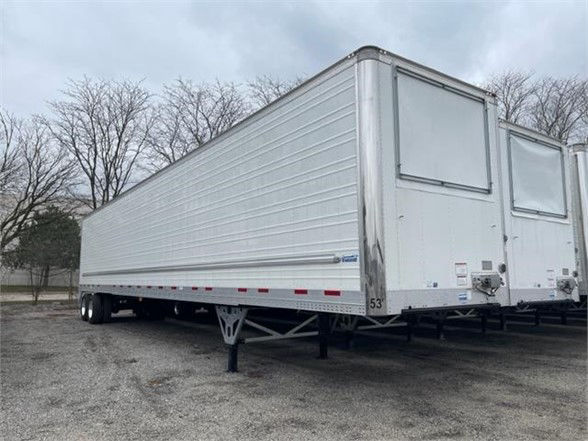
CIMC refrigerated trailers are known for smooth foamed panel construction and galvanized components that help address two of the biggest reefer ownership costs: thermal loss and corrosion. Better thermal efficiency reduces the workload on the refrigeration unit, which can lower fuel consumption and support tighter temperature control over long routes. Galvanized steel in key structural and exposed areas can also be a practical advantage for fleets running in snow-belt states, coastal regions, or any lane with frequent washdowns and chemical exposure. On new trailer specs, common features may include swing doors, duct floors for better front-to-rear airflow, E-track for load securement, rub rails, aluminum wheels, and tire inflation systems such as MTIS with ThermALERT-style monitoring.
The right reefer spec depends on what is being hauled and how it is loaded. A multi-stop foodservice operation may prioritize interior logistics, air chute or ducted airflow, and durable sidewall protection. Long-haul grocery and frozen freight often put more emphasis on insulation integrity, door durability, and floor strength under repeated pallet jack and forklift traffic. Buyers should also review axle configuration, suspension, tire package, rear frame design, and cargo control layout. Interior height, floor rating, and refrigeration unit compatibility all matter when the goal is to maximize cube without compromising temperature recovery or maintenance access.
For a new CIMC reefer trailer, the best value is usually found in the balance between upfront spec and lifecycle cost. A trailer that is easier to keep sealed, cleaner underneath, and more resistant to corrosion can hold up better in fleet service and support stronger resale later on. If the operation runs dense regional routes, look closely at door cycles, floor wear, and tire system protection. If the trailer is expected to stay out on extended OTR lanes, focus on insulation performance, structural durability, and component standardization across the fleet. In this category, small spec differences can have a measurable impact on uptime, cargo protection, and total cost per mile.
Frequently Asked Questions
What should I look for first when buying a new CIMC reefer trailer?
Start with the insulation and body construction, because thermal efficiency drives refrigeration fuel use, temperature stability, and overall trailer performance. After that, review the floor design, rear door seal quality, corrosion protection, and tare weight. Features like galvanized components, duct floors, E-track, and tire inflation systems can make a meaningful difference in maintenance cost, cargo protection, and daily usability.
Are CIMC reefer trailers a good fit for food and cold-chain freight?
Yes. Reefer trailers in this class are designed for temperature-sensitive freight such as produce, frozen foods, dairy, meat, and other perishables. The key is matching the trailer spec to the application. Continuous haul operations may need strong thermal retention and durable floors, while multi-stop delivery may need better airflow management, easier cargo securement, and frequent door-cycle durability.
Why does galvanization matter on a reefer trailer?
Galvanization helps protect steel components from rust and corrosion, which is especially important on reefer trailers exposed to road salt, wash chemicals, moisture, and temperature swings. Corrosion resistance can reduce repainting and structural cleanup over time, and it helps preserve the trailer's appearance and service life. For fleets running in northern climates or high-humidity regions, this is more than a cosmetic advantage.
What is a duct floor on a reefer trailer, and why is it important?
A duct floor is designed to move cold air more evenly from the front of the trailer to the rear under the freight. That airflow pattern helps maintain consistent temperatures across the load, especially when the trailer is packed tightly with pallets. Good airflow is critical in reefer service because even a strong refrigeration unit cannot protect cargo if the trailer interior does not circulate air correctly.
Do tire inflation systems add value on a new reefer trailer?
In most fleet applications, yes. Automatic tire inflation systems help maintain proper tire pressure, which improves tire life, supports fuel efficiency, and reduces roadside failures. On refrigerated freight, unplanned downtime is especially costly because delayed deliveries can put cargo at risk. A tire inflation system is a practical spec for buyers focused on uptime and operating cost control.