
Mack Cab and Chassis Trucks For Sale in Arkansas
Shop Mack cab and chassis trucks with body-ready specs, diesel power, PTO options, and wheelbases suited for box, dump, utility, and service builds.
Learn moreNo exact matches found for your search
Showing Cab and Chassis Trucks in Arkansas instead.
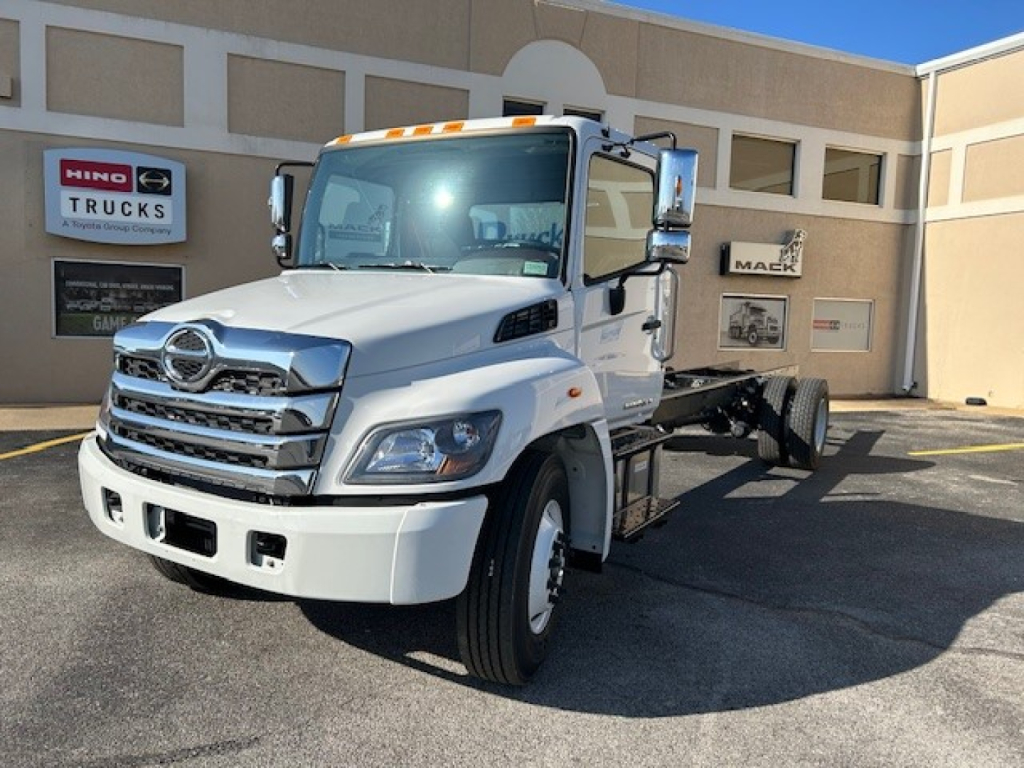
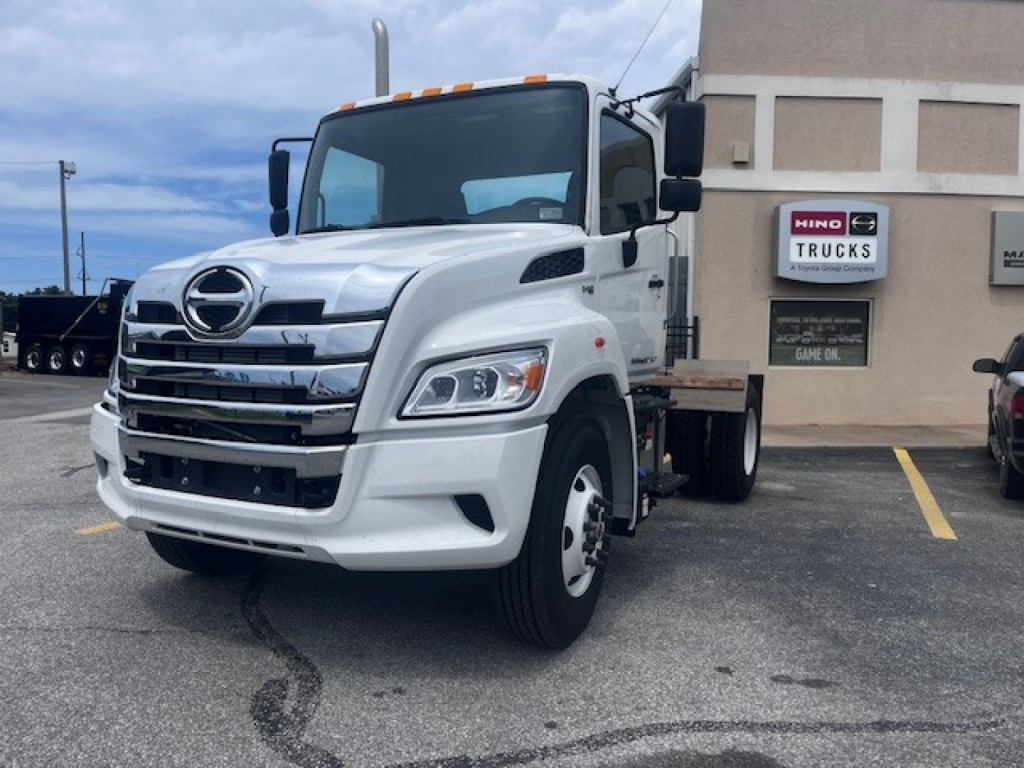
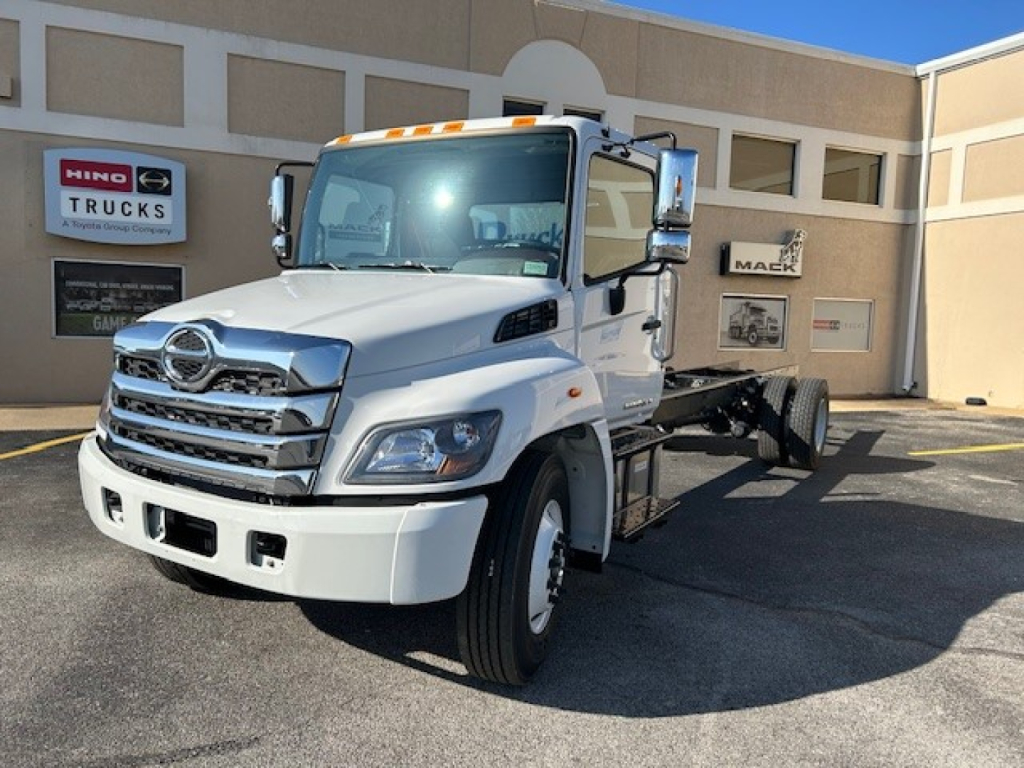
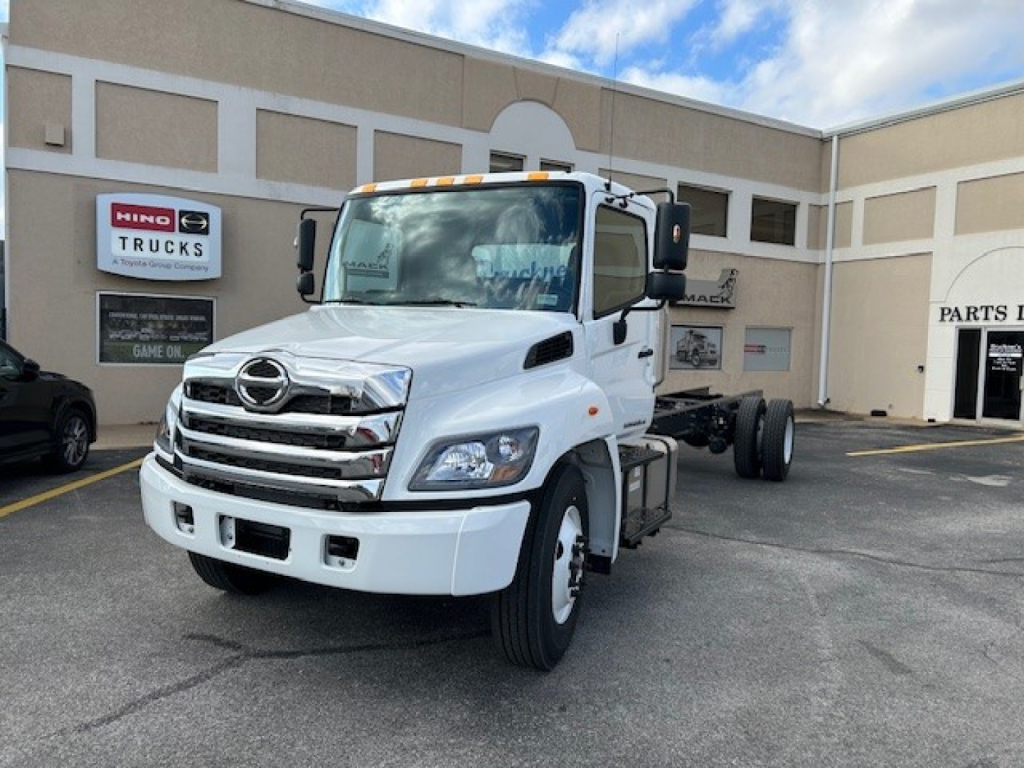
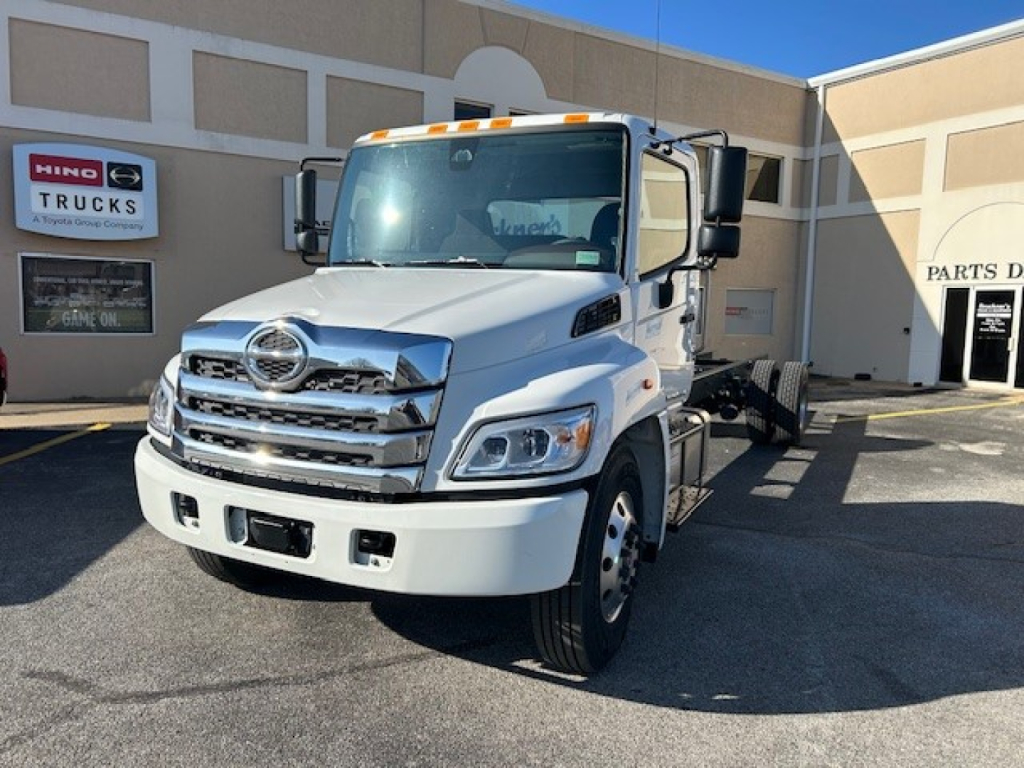
Have mack cab and chassis truck to sell? List it here to reach thousands of buyers.
About Mack Cab and Chassis Trucks in Arkansas
For many buyers, Mack medium-duty models such as the MD6 and similar configurations are a practical fit because they cover a wide range of Class 6 and Class 7 work. Typical specs in this segment include diesel engines in the mid-horsepower range, automatic transmissions such as Allison units, single rear axles, and wheelbases selected around the intended body length. A longer wheelbase may suit a 20-foot box or larger service body, while shorter layouts are easier to maneuver in city routes, job sites, and municipal work. Front axle capacity, rear axle rating, suspension type, and rear ratio all matter because they affect payload, launch performance, ride quality, and how well the chassis handles stop-and-go duty.
Body builder compatibility is a major buying point on a Mack cab and chassis. Buyers should look closely at frame rail dimensions, clear back-of-cab measurements, PTO provision, fuel tank placement, exhaust routing, and available upfit space. Air ride rear suspension can help with ride-sensitive cargo and driver comfort, while spring suspension may appeal in harsher vocational service. If the truck will carry a reefer body, crane, dump hoist, compressor, or hydraulic package, confirm that the transmission and engine setup support the PTO and auxiliary loads required. In Arkansas, heat, mixed rural and urban routes, and jobsite conditions also make cooling performance, service access, and durability under heavy cycling more important.
Mack has long been associated with vocational trucking, and that reputation matters in cab and chassis applications where uptime is tied directly to the body and equipment mounted behind the cab. A good buyer compares not only engine horsepower and GVWR, but also brake type, cab configuration, turning radius, and the exact frame length available for the upfit. If the truck is replacing an existing unit, matching body length, axle placement, and operating height can save significant time and fabrication cost. The best Mack cab and chassis truck is the one whose chassis dimensions and ratings line up cleanly with the work you need it to do.
Frequently Asked Questions
What is a Mack cab and chassis truck used for?
A Mack cab and chassis truck is a stripped, body-ready truck built to accept an upfit such as a box body, flatbed, dump body, service body, rollback, utility body, or municipal equipment package. It is used when the buyer needs a truck configured around a specific application rather than a factory-completed body style. The value is in matching the wheelbase, frame, axle capacities, and powertrain to the final body and payload requirement.
How do I choose the right wheelbase for a Mack cab and chassis?
Wheelbase should be selected based on the body length, back-of-cab to axle requirement, weight distribution, and turning radius your application needs. A longer wheelbase can support larger bodies and improve load balance, but it may reduce maneuverability in tighter delivery or jobsite conditions. The body builder should confirm the required cab-to-axle and frame length before purchase so the chassis does not require costly modification.
What GVWR range is common for Mack cab and chassis trucks?
Mack cab and chassis trucks are commonly found in medium-duty and vocational configurations where GVWR can support local delivery, contractor, utility, and municipal work. A Class 6 setup around 26,000 to 29,000 GVWR is common for non-CDL and near-non-CDL applications, depending on the exact rating and local operating needs. Buyers should focus on payload after the body, tools, and mounted equipment are installed, not just the published GVWR.
Are Allison automatic transmissions common in Mack cab and chassis trucks?
Yes, Allison automatic transmissions are common in Mack cab and chassis applications because they perform well in stop-and-go service, urban delivery, and vocational work. They are popular for box trucks, utility builds, and municipal use because they simplify operation, reduce driver fatigue, and can be compatible with PTO-driven equipment depending on the exact model and setup. Transmission selection should still be checked against terrain, loaded weight, and auxiliary equipment needs.
What should I check before upfitting a Mack cab and chassis?
Before upfitting, confirm frame dimensions, cab-to-axle measurement, axle ratings, suspension type, fuel tank and battery box placement, PTO capability, exhaust routing, and electrical provisions. You should also verify that the chosen body and any hydraulic or mechanical equipment will fit within the available frame space and maintain proper weight distribution. A mismatch between chassis layout and body requirements can add fabrication cost, delay delivery, and reduce usable payload.