
Kenworth Conventional Sleeper Trucks For Sale in Colorado
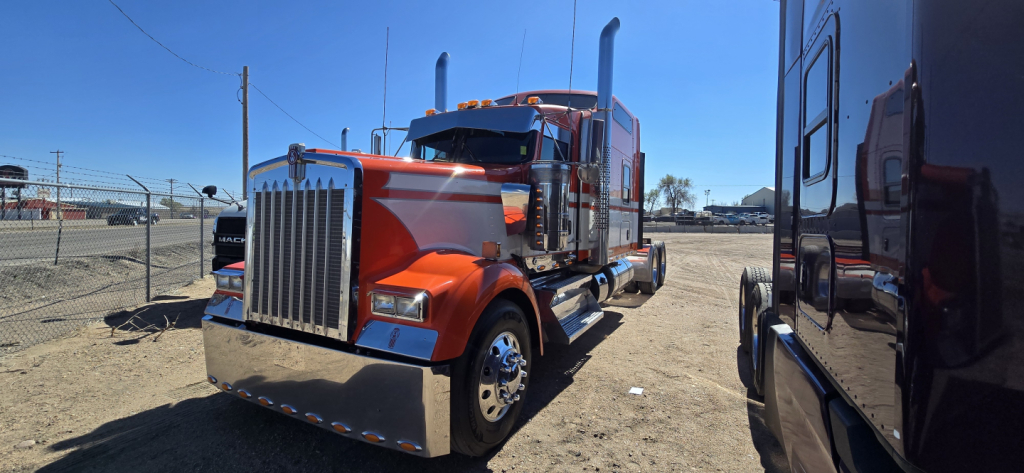

Have kenworth conventional sleeper truck to sell? List it here to reach thousands of buyers.
Kenworth Conventional Sleeper Trucks in Colorado
A lot of buyers start with the drivetrain, and that is the right place to focus. Many Kenworth sleeper tractors in this class are spec'd with the PACCAR MX-13 in the 405 to 455 horsepower range, paired with an automated transmission and a 40,000 lb tandem rear axle. Ratios like 2.64 are common on fuel economy-oriented highway trucks, especially when the truck spends most of its life at interstate speed with van or reefer freight. If your operation sees more elevation, heavier gross weights, or frequent mountain pulls, pay close attention to horsepower, torque rating, engine brake performance, and axle ratio. A low numerical ratio can run efficiently on flat ground, but Colorado buyers often need to think harder about gradeability and downspeed performance than buyers in flatter states.
Sleeper configuration is the next major decision. A 76-inch high-roof sleeper is a common setup on Kenworth conventional sleepers because it gives the driver standing room, better storage, and a more livable week-long cab. Features like upper bunks, bunk heaters, upgraded interiors, tilt-telescoping steering columns, and integrated climate controls can make a real difference in retention and comfort on longer runs. Wheelbase, fifth wheel travel, fuel capacity, and fairing package also matter because they affect trailer gap, bridge law flexibility, and total operating range. On later-model T680 and T680 Next Gen trucks, buyers should also look at safety technology such as collision mitigation systems, disc brakes, and the overall aero package, since those items can influence insurance, stopping performance, and fuel burn.
Condition still comes down to spec and maintenance history, not just model year. Check verified mileage, engine hours, aftertreatment service records, transmission calibration history, brake type, tire size, and suspension setup before comparing trucks side by side. A well-spec'd Kenworth conventional sleeper with air ride suspension, an air slide fifth wheel, aluminum wheels, and a documented service record can be a better fit than a newer truck with a less suitable ratio or incomplete history. For long-haul dry van, reefer, and general freight work, this category remains one of the most practical choices for buyers who want a modern aerodynamic sleeper tractor with strong driver acceptance and proven highway performance.
Frequently Asked Questions about Kenworth Conventional Sleeper Trucks in Colorado
What is the most common Kenworth conventional sleeper model for long-haul freight?
The Kenworth T680 is one of the most common conventional sleeper models in long-haul service. It is widely used for dry van, reefer, and general freight because it combines an aerodynamic design, roomy sleeper options, and a drivetrain commonly built around the PACCAR MX-13 and automated transmissions. Later T680 Next Gen trucks also add updated aero refinements, interior improvements, and available safety technology that appeal to both fleets and independent buyers.
Is a 2.64 rear axle ratio a good choice for a Kenworth sleeper in Colorado?
A 2.64 ratio can be a strong choice for fuel-efficient highway use, but it is not ideal for every Colorado application. It works best when the truck runs steady interstate speeds, moderate gross weights, and mostly linehaul freight. If the truck will spend more time in mountain terrain, start heavy, or pull at higher combined weights, buyers should look closely at horsepower, torque, transmission gearing, and engine brake strength to make sure the spec matches the route.
What sleeper size is most common on Kenworth conventional sleeper trucks?
A 76-inch high-roof sleeper is one of the most common configurations in this category. It gives better stand-up room, storage, and driver comfort for multi-day trips than shorter sleepers. For teams or drivers staying out longer, features such as an upper bunk, bunk heater, cabinet layout, and interior trim package can make a noticeable difference in livability and retention.
What should I inspect first on a used Kenworth conventional sleeper truck?
Start with the drivetrain and service records. Review engine model, horsepower, transmission type, rear axle rating, ratio, mileage, engine hours, and maintenance history for the aftertreatment system. After that, inspect brake type, suspension, wheelbase, fifth wheel condition, tire wear, and sleeper equipment. On aerodynamic highway tractors, fairings, cab extenders, and bumper condition also matter because damaged aero components can affect fuel economy and indicate prior hard use.
Are Kenworth conventional sleeper trucks good for reefer and dry van work?
Yes. Kenworth conventional sleeper trucks are commonly spec'd for reefer and dry van applications because they prioritize highway efficiency, driver comfort, and stable long-wheelbase road manners. A properly matched T680 setup with the right fuel capacity, axle ratio, fifth wheel position, and engine brake can handle regional or over-the-road freight well, especially when the buyer matches the spec to terrain and average payload.