
Freightliner Conventional Sleeper Trucks For Sale in Utah
Shop Freightliner conventional sleeper trucks in Utah. Compare Cascadia specs, sleeper sizes, drivetrains, and long-haul features.
Learn more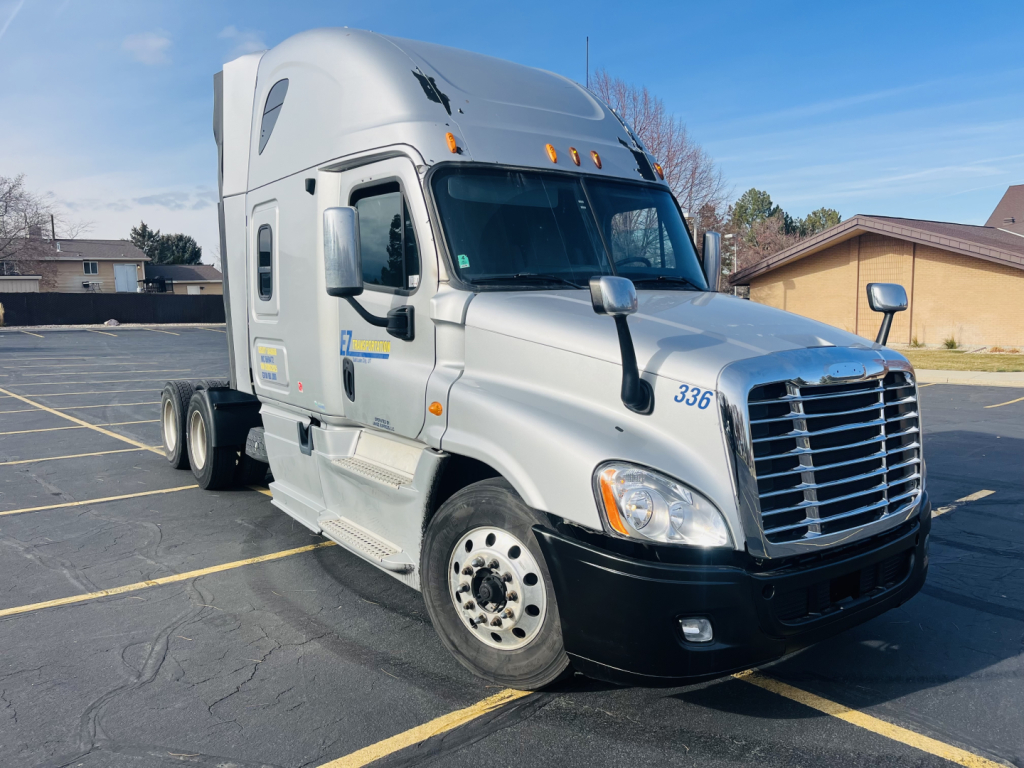
Have freightliner conventional sleeper truck to sell? List it here to reach thousands of buyers.
About Freightliner Conventional Sleeper Trucks in Utah
Common Freightliner sleeper configurations include raised-roof cabs with mid-roof or full-size sleepers, often set up with single or double bunks for team or solo operation. Power usually comes from Detroit engines such as the DD13 or DD15, paired with a 10-speed, 12-speed automated manual, or 13-speed manual depending on age and application. Rear axle ratios, wheelbase, and fuel capacity all deserve a close look. A truck running the I-15 corridor or pulling heavier freight through Utah passes may benefit from a different ratio than a fuel-focused fleet tractor spending most of its time on flatter interstate lanes. Suspension type, front axle rating, and fifth wheel setup also matter if the truck will be assigned to heavier van, reefer, or regional drop-and-hook work.
Sleeper condition is just as important as drivetrain condition on a used conventional sleeper. Look at bunk layout, cabinet space, HVAC performance, insulation, inverter setup, and signs of water intrusion around roof seams or window seals. On the chassis side, buyers should pay attention to emissions system history, overhead records, clutch or automated transmission service, and signs of uneven tire wear that may point to alignment or suspension issues. Freightliner remains a popular choice because service points are familiar to most shops, replacement parts are widely available, and many drivers already know the cab layout and controls.
A good Freightliner conventional sleeper should match the freight lane and operating model, not just the price tag. For long-haul operations, that usually means a comfortable sleeper, strong cooling performance, clean aftertreatment history, and a drivetrain spec that keeps the engine in its efficient RPM range. For buyers comparing multiple used Freightliner sleeper trucks, the smartest approach is to weigh mileage against maintenance documentation, engine hours, cab condition, and how the truck was previously worked. A well-spec'd Cascadia with the right sleeper, axle ratio, and service history can be a very practical truck for western regional or coast-to-coast service.
Frequently Asked Questions
What is the most common Freightliner conventional sleeper truck?
The Freightliner Cascadia is the most common conventional sleeper truck in this category. It is widely used in long-haul and regional service because it combines aerodynamic design, strong parts availability, and a broad range of engine, transmission, and sleeper configurations. Buyers will find Cascadia sleepers in fleet specs focused on fuel economy as well as owner-operator specs with larger sleepers, manual transmissions, and higher fuel capacity.
Which engine is common in Freightliner sleeper trucks?
Detroit engines are the most common in Freightliner conventional sleepers, especially the DD13 and DD15. The DD15 is particularly popular in over-the-road applications because it offers a strong balance of horsepower, torque, and fuel efficiency. When evaluating a used truck, engine model matters, but maintenance records, emissions history, and any major repairs or overhauls matter just as much.
What should I check on a used Freightliner conventional sleeper?
Start with engine and aftertreatment service history, then review transmission type, rear axle ratio, tire condition, suspension wear, and signs of frame or fifth wheel stress. In the sleeper, inspect the bunk area, HVAC operation, cabinets, seals, and electrical accessories. It is also smart to verify engine hours, look for fault codes, and compare the truck’s spec to the freight it will actually pull, especially in mountain states like Utah where gearing and cooling performance are important.
Is a manual or automated transmission better in a Freightliner sleeper truck?
That depends on the route, driver preference, and operating model. Automated manual transmissions are common in fleet and fuel-economy applications because they simplify shifting and can help with driver consistency. Manual transmissions still appeal to some buyers who want direct control on grades, in heavy pulls, or in specialized operations. The better choice is usually the one that matches the truck’s intended duty cycle and has the stronger service history.
Why are Freightliner sleeper trucks popular for long-haul work?
Freightliner sleeper trucks are popular because they are efficient on the highway, easy to service, and widely supported across the country. The conventional cab layout allows for good aerodynamics and straightforward engine access, while the sleeper gives drivers the space needed for overnight and multi-day runs. That combination makes them a practical fit for dry van, reefer, and general freight operations.