
Freightliner Conventional Sleeper Trucks For Sale in Pennsylvania
Browse Freightliner conventional sleeper trucks for long-haul service, with Cascadia specs, sleeper options, drivetrain choices, and buyer tips.
Learn moreNo exact matches found for your search
Showing Conventional Sleeper Trucks in Pennsylvania instead.
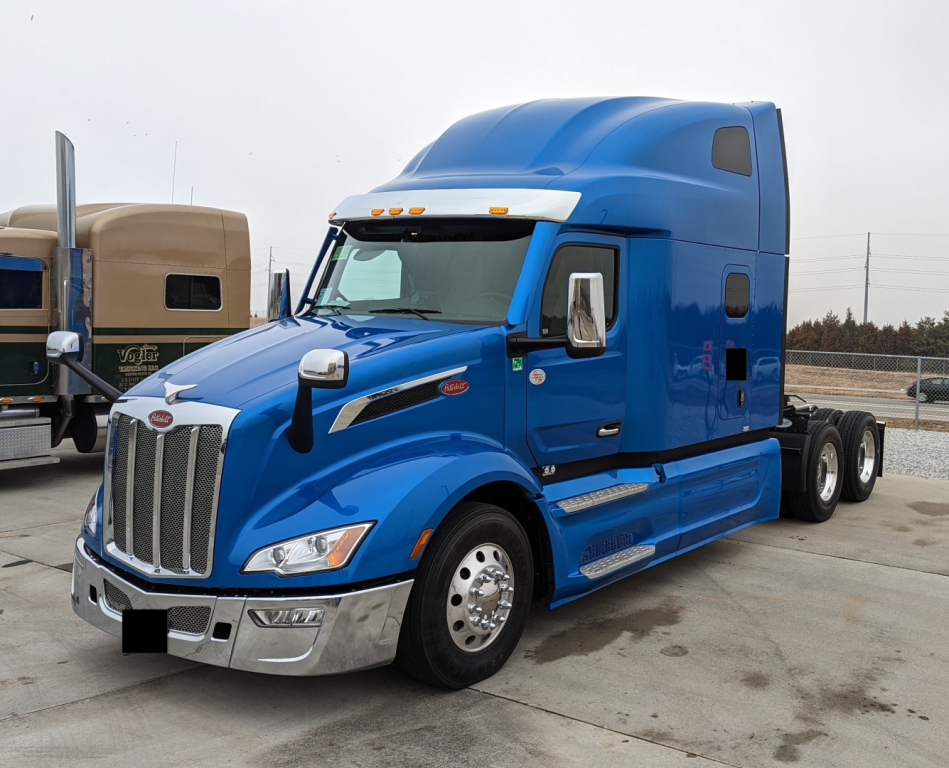
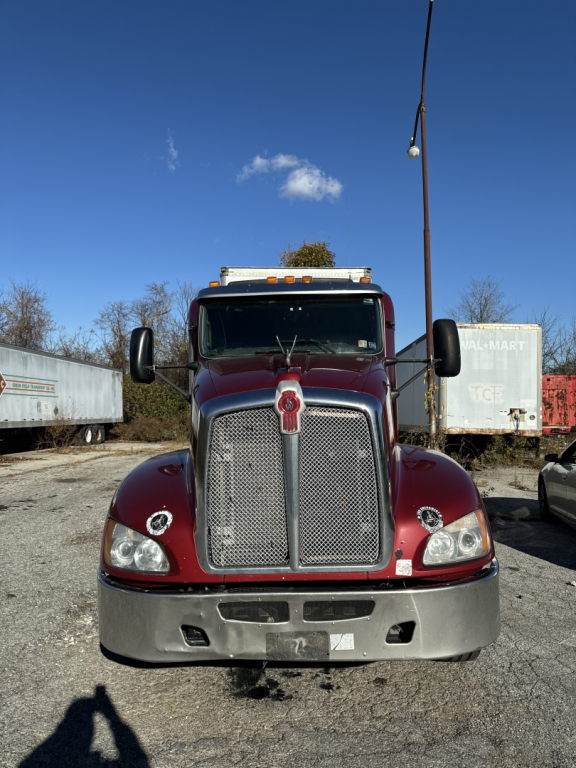
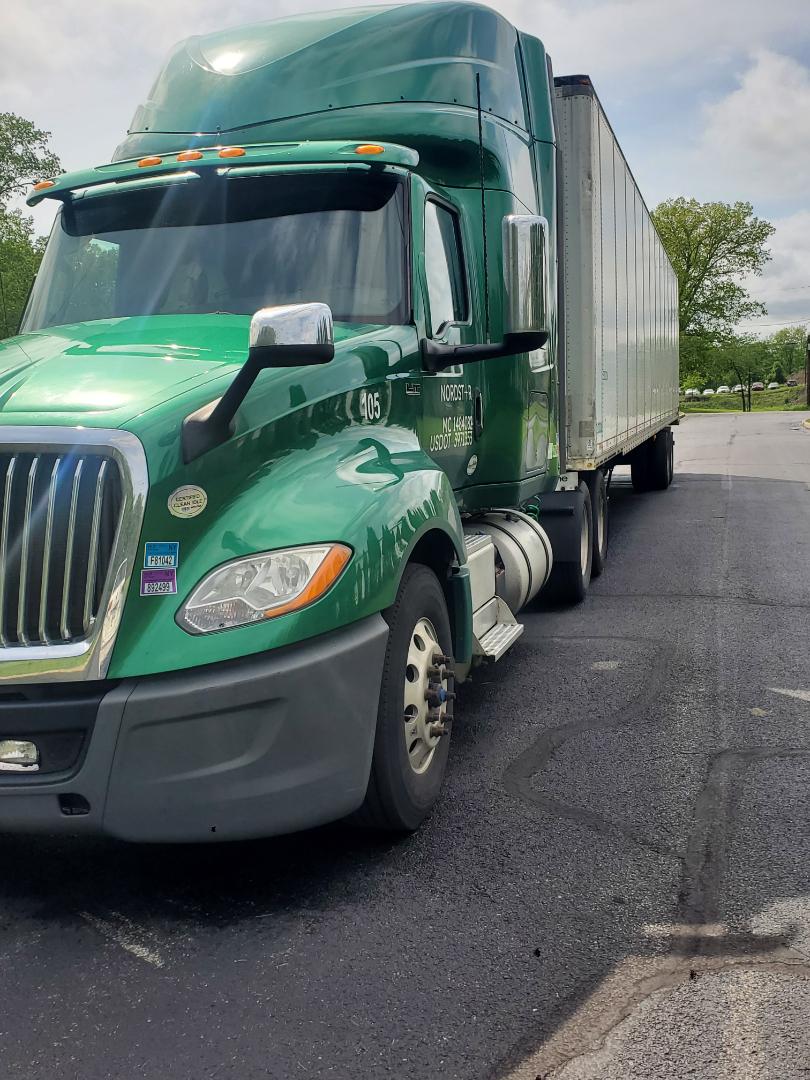
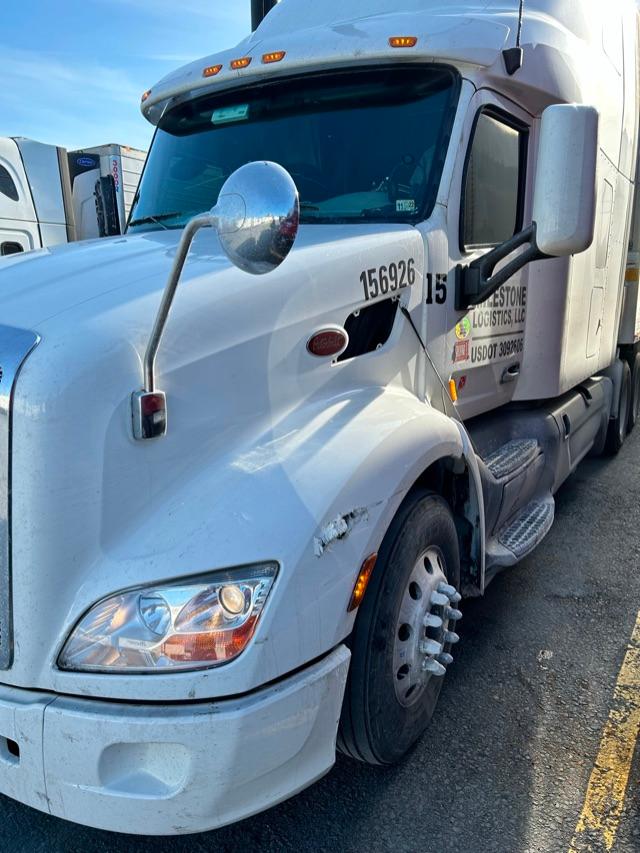
Have freightliner conventional sleeper truck to sell? List it here to reach thousands of buyers.
About Freightliner Conventional Sleeper Trucks in Pennsylvania
Sleeper configuration is the next major decision. Many Freightliner conventional sleepers are spec'd with 72-inch raised roof or mid-roof sleepers, often with an upper bunk, bunk heater, storage cabinets, and sometimes a refrigerator. A raised roof sleeper typically gives the driver more stand-up room and better livability for long weeks on the road, while a mid-roof sleeper can be a good fit for fleets trying to keep weight and cost under control without giving up basic overnight capability. Wheelbases in this class often land around 228 to 233 inches, which works well for standard trailer lengths while preserving a stable highway ride. Features like air slide fifth wheels, cab extenders, side fairings, quarter fenders, and dual aluminum fuel tanks are common because they support easier trailer setup, lower aerodynamic drag, and practical linehaul range.
A buyer comparing Freightliner sleeper trucks should pay close attention to transmission type, rear axle ratio, and brake setup because those three items affect operating cost as much as the engine badge. DT12 automated units are popular for fleets focused on driver consistency and reduced clutch wear, while manual transmissions still appeal to owner-operators who want direct control or simpler service preferences. Lower numerical axle ratios can help fuel economy on flat interstate lanes, but a truck pulling heavier gross weights through western Pennsylvania grades may benefit from a deeper ratio. Disc brakes, engine brakes, air ride suspension, and low-profile 22.5 tires are also worth noting, especially for trucks running turnpike miles where stopping performance, ride quality, and tire replacement cost all factor into the total ownership picture.
Freightliner conventional sleeper trucks also tend to hold value well because parts availability, dealer support, and technician familiarity are strong across much of the country. For used truck buyers, service history matters more than appearance alone. Look closely at aftertreatment maintenance, transmission calibration history, suspension wear, bunk HVAC operation, and signs of consistent preventive service. A well-spec'd Freightliner sleeper with the right roof height, axle ratio, and powertrain can fit a broad range of long-haul applications, but the best truck is the one that matches your lanes, trailer weight, idle strategy, and driver expectations.
Frequently Asked Questions
What is the most common Freightliner conventional sleeper truck model?
The Freightliner Cascadia is the most common conventional sleeper truck in this class. It is widely used in long-haul and regional service because it offers strong aerodynamics, broad engine and transmission availability, and widespread parts and service support. Buyers will commonly find Cascadia 125 and Cascadia 126 configurations with 72-inch sleepers, tandem rear axles, and specs aimed at dry van, reefer, or dedicated freight.
Which engine is better in a Freightliner sleeper truck: Detroit DD15 or Cummins X15?
Both are proven heavy-duty engines, but the better choice depends on your service profile and maintenance preference. The Detroit DD15 is very common in Cascadia tractors and is often chosen for fuel economy, integration with the DT12 automated transmission, and dealer familiarity in fleet service. The Cummins X15 and older ISX15 remain popular with buyers who prefer Cummins support networks or have in-house familiarity with that platform. The best buying decision usually comes down to documented maintenance history, emissions system condition, horsepower rating, and how the engine is paired with the axle ratio and transmission.
What sleeper size is most common on a Freightliner conventional sleeper?
A 72-inch sleeper is one of the most common configurations on Freightliner conventional sleeper trucks. Raised roof versions usually offer better standing room and long-haul comfort, while mid-roof sleepers can reduce weight and may suit shorter-duration trips. Buyers should look beyond sleeper length alone and confirm bunk layout, cabinet space, HVAC performance, bunk heater operation, and whether the truck includes practical options such as a refrigerator or upper bunk.
What rear axle ratio should I look for in a Freightliner sleeper truck?
Common ratios such as 2.53, 3.08, 3.25, and 3.31 each suit different operating conditions. A lower numerical ratio like 2.53 or 3.08 is generally aimed at highway fuel economy and steady interstate cruising. A deeper ratio like 3.25 or 3.31 can improve startability and pulling performance in hillier terrain or heavier applications. The right ratio depends on trailer weight, average road speed, engine torque curve, transmission gearing, and the amount of grade you run on a normal week.
Are automated transmissions common in Freightliner conventional sleeper trucks?
Yes. Automated manual transmissions, especially the Detroit DT12, are very common in newer Freightliner sleeper trucks. They are popular because they can improve shift consistency, reduce driver fatigue, and help control clutch-related wear in fleet use. Manual 10-speed transmissions are still found in the market and may appeal to buyers who want a traditional setup, but automated units now dominate many over-the-road Cascadia specs.