
Flatbed Trucks For Sale in Michigan
Browse flatbed trucks for sale in Michigan. Compare bed lengths, GVWR, lift gates, axle setups, and body specs for delivery and jobsite work.
Looking for the easiest place to sell your flatbed truck? List it here to reach thousands of buyers.
Flatbed Trucks in Michigan
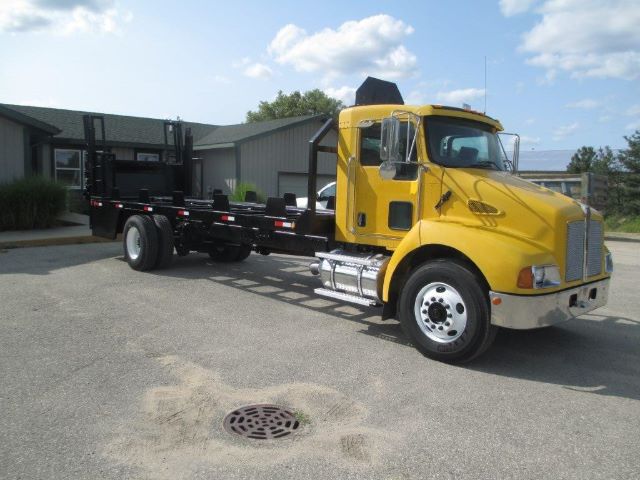
Common configurations include Class 5 through Class 8 chassis with platform lengths from around 12 to 26 feet. Medium-duty flatbed trucks are often used for pallet delivery, retail supply, and contractor service bodies, while heavier tandem-axle units are better suited for machinery, bulk materials, and denser loads. Deck construction matters. Steel beds hold up well in hard use, while aluminum helps reduce tare weight and improve payload. Buyers should also look closely at rub rails, stake pockets, tie-down points, headboards, toolboxes, and underbody storage, since securement options directly affect how many different load types the truck can handle.
A lift gate or piggyback forklift package can add a lot of value for local delivery work, especially when dock access is inconsistent. For Michigan fleets, suspension type, tire size, and brake condition also deserve attention because freeze-thaw cycles, road salt, and mixed seasonal conditions can accelerate wear on frames, wiring, hydraulic components, and deck hardware. If the truck will see frequent stop-and-go operation, an automatic transmission can improve driver comfort and reduce fatigue. Engine choice should match the route and payload. Smaller diesel engines in the medium-duty range work well for urban and suburban service, while higher-GVWR applications benefit from more torque and stronger rear axle ratings.
A good flatbed truck should be evaluated as a complete working package, not just by chassis mileage. Check deck condition, crossmembers, floor straightness, hoist or gate operation if equipped, and signs of corrosion around mounts and electrical connections. Confirm wheelbase, cab-to-axle measurement, and body length if future body replacement or upfitting is part of the plan. Also known simply as a flatbed truck or platform truck, this body style remains one of the most versatile options in commercial trucking because it can adapt to a wide range of cargo without the loading restrictions of an enclosed body.
Frequently Asked Questions about Flatbed Trucks in Michigan
What should I look for first when buying a used flatbed truck?
Start with GVWR, bed length, axle configuration, and the actual condition of the deck and frame. Those factors determine legal payload, route suitability, and how much useful life the truck has left as a working asset. After that, inspect tie-down equipment, stake pockets, rub rails, brake and tire condition, suspension, and any lift gate or hydraulic components. A flatbed truck with a sound chassis but a damaged or heavily corroded platform can require expensive body work before it is ready for service.
What bed length is most common on a flatbed truck?
Bed length depends on the chassis class and application, but many medium-duty flatbed trucks fall in the 20 to 24 foot range. That size works well for palletized deliveries, building materials, and general contractor use while still remaining manageable in tighter streets and customer yards. Shorter beds are easier to maneuver in urban work, while longer platforms offer more flexibility for pipe, lumber, steel, and oversized freight that cannot be loaded into a van body.
Is a flatbed truck better than a box truck for local delivery?
A flatbed truck is better when freight needs to be loaded from the side, top, or by crane or forklift, or when cargo dimensions make enclosed loading impractical. A box truck is better when weather protection, cargo security, and dock-based delivery are the priority. For local delivery fleets handling mixed freight, pallets, equipment, or jobsite materials, a flatbed often provides more loading flexibility. The tradeoff is that cargo securement becomes more critical because the load is exposed and must be properly tied down.
Are automatic transmissions common in flatbed trucks?
Yes, especially in medium-duty flatbed trucks used for city and suburban delivery. Automatic transmissions are common in applications with frequent stops, multiple drivers, or tight maneuvering conditions because they reduce driver fatigue and simplify operation. Manual transmissions are still found in heavier vocational and regional service, but many buyers prefer automatic or automated options for ease of training and day-to-day efficiency.
Why does Michigan location matter when shopping for a flatbed truck?
Michigan operating conditions can be tough on commercial trucks because of road salt, freeze-thaw exposure, and seasonal moisture. Buyers should pay close attention to rust on the frame, bed supports, crossmembers, brake components, wiring, and mounting points. Corrosion around lift gates, lighting circuits, and underbody hardware is especially important on flatbed trucks because those parts are exposed. A careful inspection of the underside and body mounts can tell you as much as the cab and engine condition.