
Used Wheel Loaders For Sale in New York
Browse used wheel loaders for sale in New York. Compare bucket size, operating weight, tire setup, hydraulics, cab options, and attachment capability.
Learn moreBrowse Wheel Loaders Equipment by Make
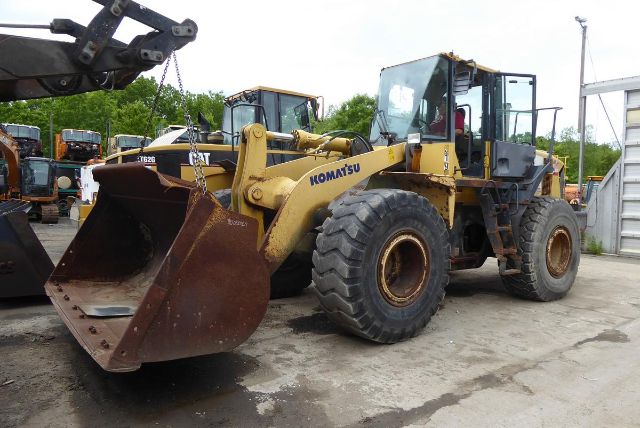
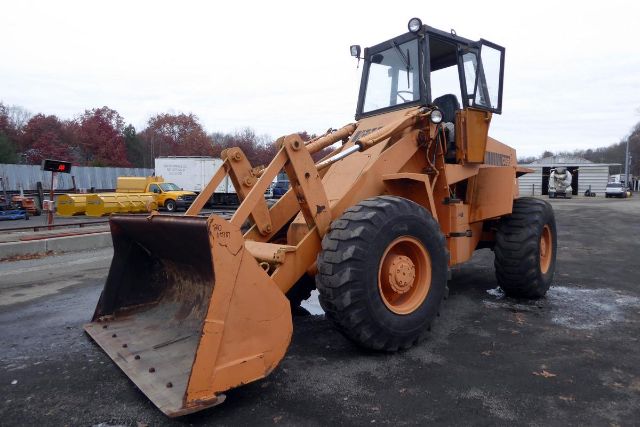
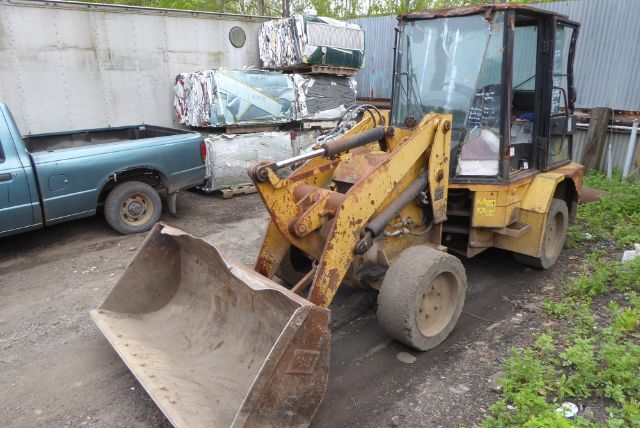
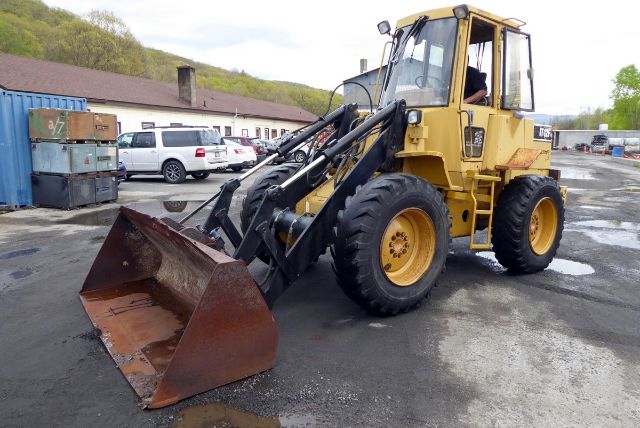
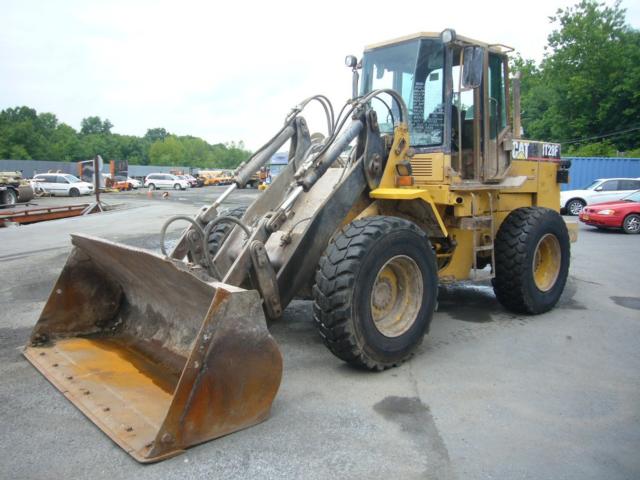
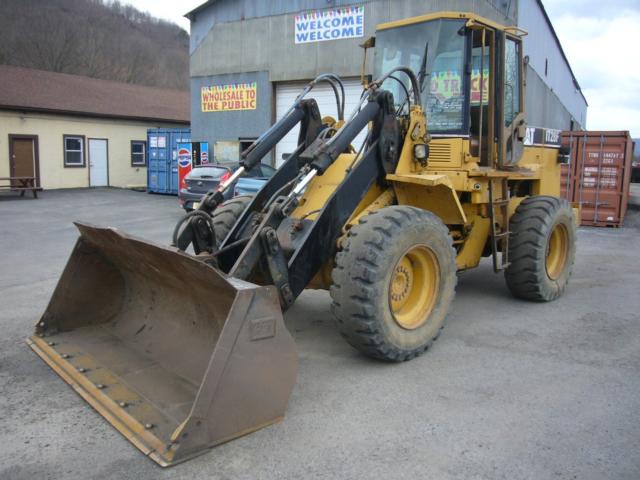
Showing 13 to 20 of 20 results
Have used wheel loaders equipment to sell? List it here to reach thousands of buyers.
About Used Wheel Loaders in New York
A used wheel loader can be set up for much more than bucket work. Integrated tool carriers and quick-coupler machines are common in this class, especially on units used for pallet forks, grapples, snow pushers, and material handling attachments. Third-function hydraulics, ride control, auxiliary lines, and hydraulic quick disconnects add real value if the machine will switch jobs during the day. On older loaders, pay close attention to pin and bushing wear, center articulation play, bucket edge condition, boom and tilt cylinder seepage, and whether the transmission shifts cleanly through every gear. Tire type also matters more than many buyers expect. Air-filled tires ride better and travel faster on mixed surfaces, while solid tires can make sense in scrap, demolition, and puncture-prone yards.
Engine and driveline simplicity is often a selling point in used wheel loaders, particularly on older mechanical diesel models. Common specs in this category include 2-speed or 4-speed automatic transmissions, enclosed cabs or ROPS, heat for winter work, and bucket widths from roughly 6 to 8 feet on compact and mid-size machines. In New York, cold-weather starting, cab heat output, glass condition, articulation joint condition, and brake performance deserve extra scrutiny. A loader that runs well but has seepage at wheel seals, lift cylinders, or quick-coupler circuits may still be usable, but those repairs should be priced into the purchase. Hour meter readings help frame wear, but maintenance history, previous application, and undercarriage of the attachment system often tell a more accurate story than hours alone.
The best used wheel loader choice depends on material and duty cycle. For mulch, topsoil, feed, and snow, a lighter compact loader may be enough and can move easily on smaller properties. For aggregate, wet sand, salt, and dense stockpile work, buyers generally step into more operating weight, stronger axles, and larger bucket volume. If the machine will handle pallets or pipe, check lift capacity with forks installed, visibility over the linkage, and the condition of the coupler and loader arms. A good category comparison should focus on hydraulic responsiveness, steering feel at full articulation, bucket rollback, cold-start behavior, tire condition, and attachment compatibility, because those details usually separate a dependable used loader from one that becomes a repair project.
Frequently Asked Questions
What should I inspect first on a used wheel loader?
Start with articulation joint wear, loader arm and bucket pin play, transmission engagement, brake response, hydraulic cylinder leakage, and tire condition. Then look at the bucket or coupler for cracks, weld repairs, cutting edge wear, and attachment fitment. A loader can start and move well but still need expensive center pin, axle seal, or hydraulic work, so structural and hydraulic inspection matters as much as engine condition.
Are tool carrier wheel loaders different from standard wheel loaders?
Yes. Tool carrier models are designed with attachment use in mind and often offer parallel lift, quick couplers, third-function hydraulics, and better fork work than a standard bucket-focused loader. They are a strong choice for yards that switch between buckets, forks, grapples, and snow equipment. Buyers should still confirm coupler style, hydraulic flow, and rated operating capacity with the intended attachment.
What size wheel loader is best for snow and property maintenance in New York?
For snow removal, municipal lots, feed yards, and general property maintenance, many buyers prefer compact to mid-size wheel loaders that balance maneuverability with enough weight for traction and pushing power. Overall width, cab heat, visibility, and attachment support often matter more than raw horsepower in these applications. If the loader will also move dense material such as salt or wet sand, extra operating weight and bucket breakout force become more important.
How important are hours on a used wheel loader?
Hours matter, but they are only one part of the buying decision. A higher-hour machine with documented maintenance, tight pins, dry cylinders, good tires, and a clean-shifting transmission can be a better value than a lower-hour loader with neglected service and structural wear. Previous application is critical because loaders used in scrap, demolition, or constant rehandling typically show different wear patterns than machines used on farms or light yard work.
What attachments are commonly used on wheel loaders?
Buckets are the standard setup, but many used wheel loaders also run pallet forks, hydraulic grapples, snow pushers, plows, brooms, and other material-handling tools. The key is verifying coupler compatibility, auxiliary hydraulics, third valve presence, and lift geometry for the attachment you plan to use. On a multipurpose loader, attachment flexibility can add as much value as engine horsepower.