
Walker Equipment For Sale
Shop Walker trucking equipment for recycling and material handling applications, including magnets and grapple-ready units built for scrap work.
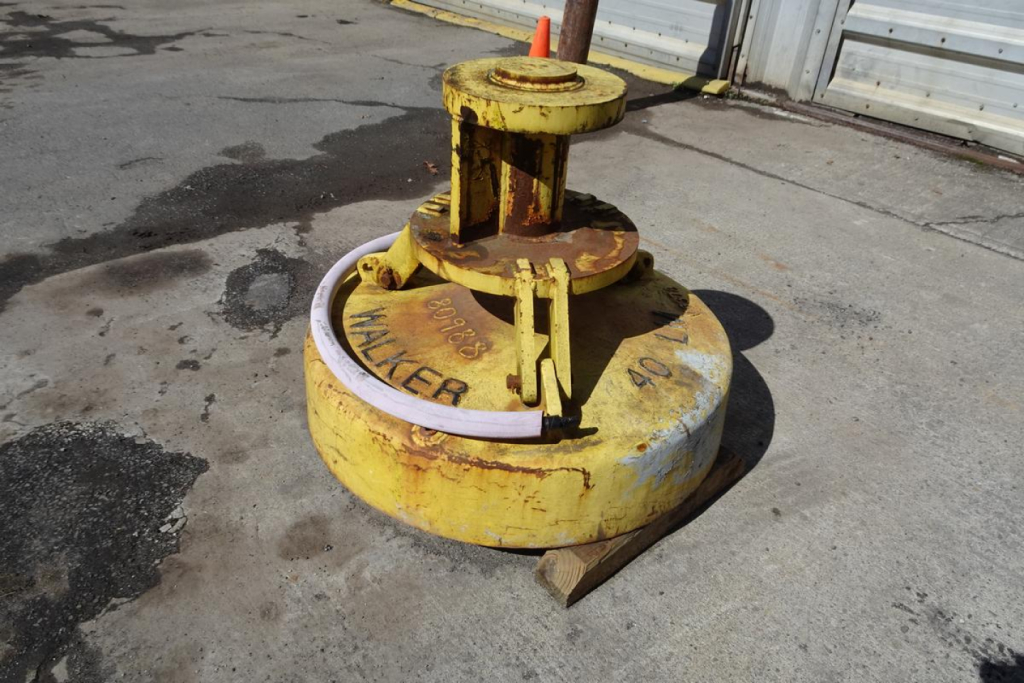
Selling a walker equipment? List your walker equipment for sale and reach thousands of commercial buyers.
Walker Equipment
For magnet-based Walker equipment, start with electrical specs and operating demands. Voltage, amperage, controller compatibility, and duty cycle directly affect how the unit performs in continuous scrap handling. A 75 percent duty cycle may be suitable for many yard and transfer applications, but heavier production environments may require careful review of heat management and run time expectations. Physical dimensions also matter because compact units can be easier to mount and transport, while operating height and clearances can affect visibility, truck setup, and cycle times during loading.
Attachment configuration is another major consideration. Some Walker units are set up for grapple grab use, some are magnet-only, and some can be adapted for specific recycling tasks. Buyers should confirm shackle points, rigging layout, connection type, and carrier capacity before purchase. Weight is especially important on truck-mounted applications because every pound affects payload, axle distribution, and stability. If the equipment will be used in scrap transfer, demolition cleanup, or metal recovery, inspect the housing, lifting points, electrical leads, and wear surfaces closely since these areas typically show the hardest service history.
Walker equipment tends to appeal to operations that need proven scrap handling capability without stepping into overly specialized systems. The category fits recyclers, salvage yards, metal processors, and operators supporting container loading or loose ferrous material handling. A good unit is usually defined less by model year and more by working condition, electrical integrity, magnet strength, and compatibility with the machine or truck that will carry it. Buyers comparing listings should focus on application match first, then verify dimensions, weight, power setup, and any included rigging or grab configuration.
Frequently Asked Questions about Walker Equipment
What is Walker trucking equipment typically used for?
Walker trucking equipment is commonly used in recycling, scrap handling, salvage operations, and other material handling jobs where magnets or grapple-compatible attachments are needed. These units are often selected for loading, sorting, and transferring ferrous material, especially in yards that need dependable lifting performance tied to truck, crane, or loader operations.
What specifications matter most when buying used Walker equipment?
The most important specifications are voltage, amperage, duty cycle, physical dimensions, and operating weight. Buyers should also confirm attachment setup, including whether the unit is magnet-only or configured for grapple grab use. These details determine compatibility with the host machine, expected run time, and how well the equipment fits the intended scrap or recycling application.
Why is duty cycle important on Walker magnet equipment?
Duty cycle tells you how long the equipment can operate within a given period without overheating or losing performance. In recycling and scrap environments, this matters because repeated lift-and-drop cycles place a constant load on the electrical system. A unit with the right duty cycle for the job will generally provide more consistent operation and lower risk of downtime in production use.
How does equipment weight affect a Walker unit purchase decision?
Weight affects transport, mounting, and safe operation. On truck-mounted or mobile applications, equipment weight can reduce available payload and influence axle balance and stability. On cranes or loaders, it affects lifting geometry and usable capacity. Buyers should compare the attachment weight to the carrier's rated capacity and the demands of the material being handled.
What should buyers inspect on a used Walker scrap handling unit?
Inspect the electrical connections, leads, controls, lifting eyes, shackles, housing, and any visible wear points. On magnet-equipped units, buyers should verify that the magnet energizes properly and performs under load. If the unit is set up for grapple grab use, check the rigging arrangement and attachment points for wear or field modifications. Working condition and compatibility usually matter more than age alone in this category.