
Used 2015 Equipment For Sale
Browse used 2015 trucking equipment including forklifts, material handlers, and support machines with practical specs for freight and yard operations.

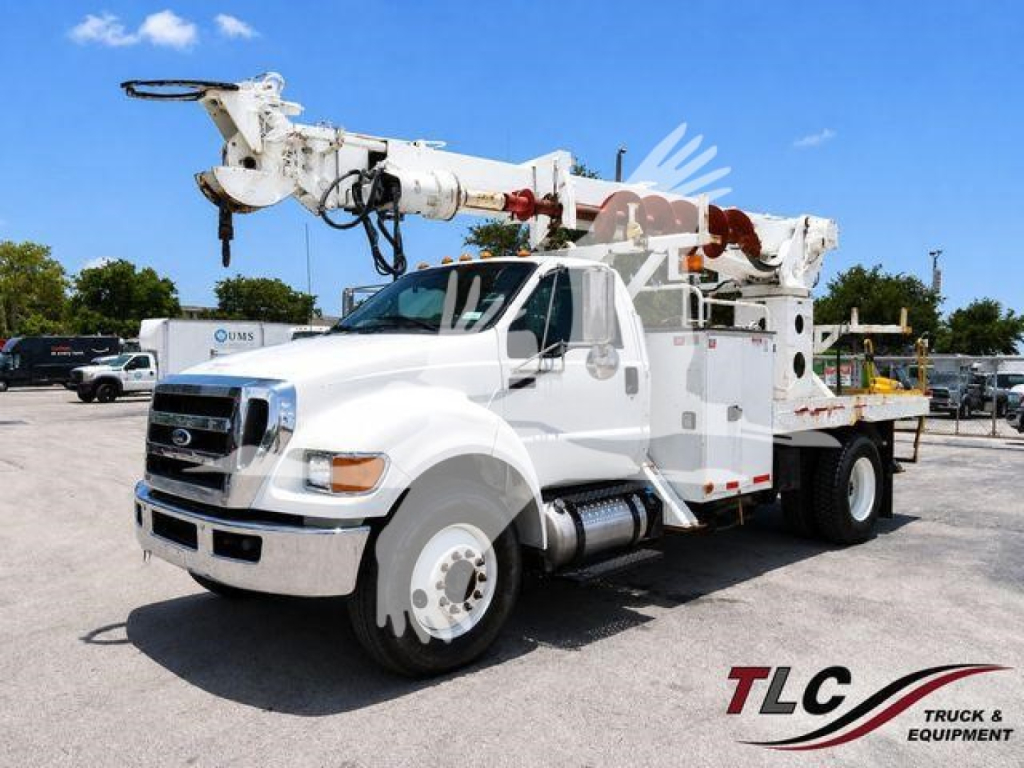
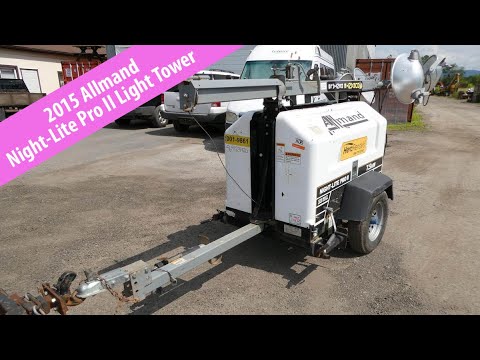
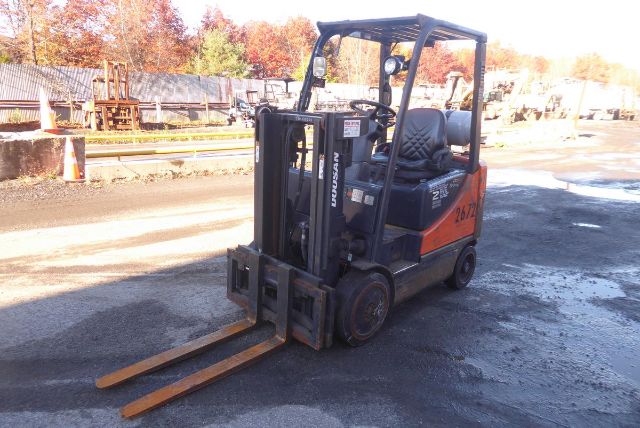
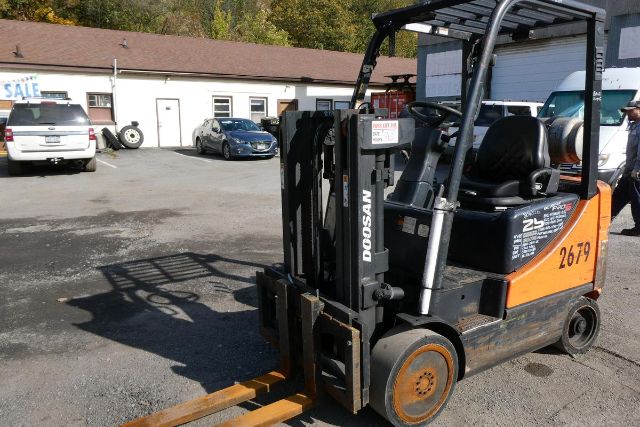
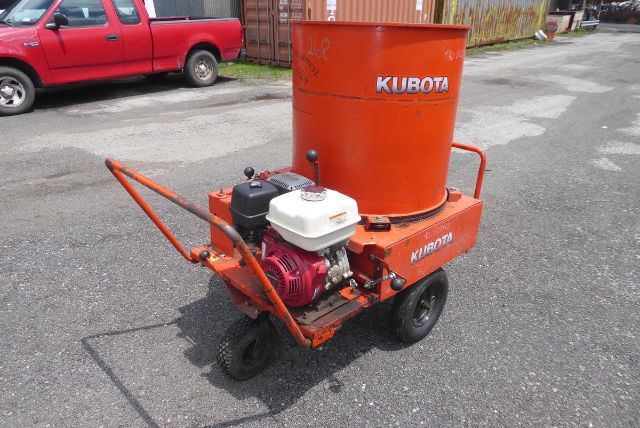
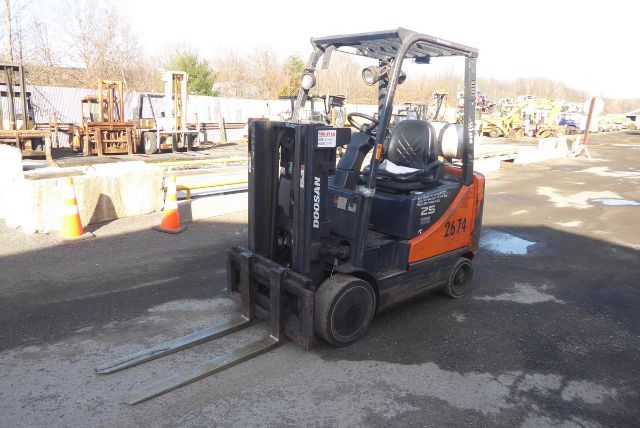
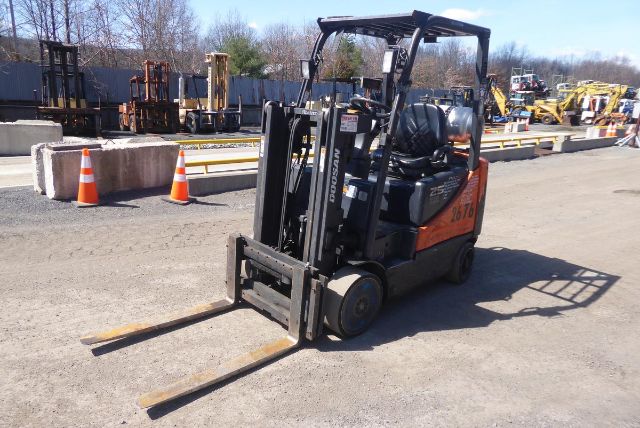
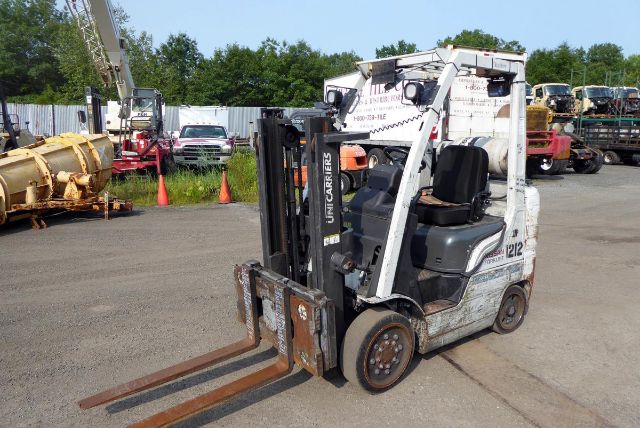
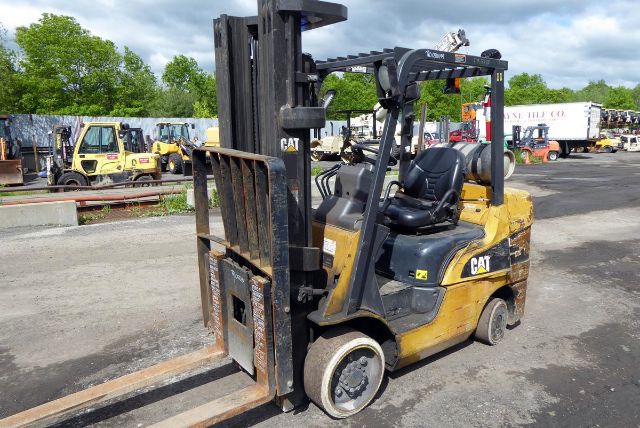
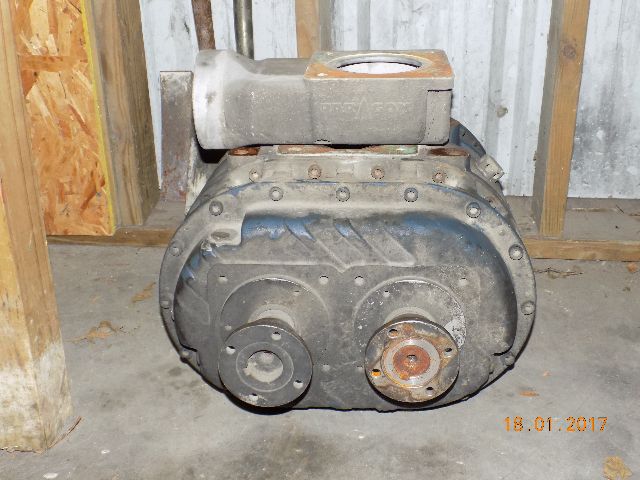

Selling a used 2015 equipment? List your used 2015 equipment for sale and reach thousands of commercial buyers.
Used 2015 Equipment
A big part of the buying decision comes down to application and capacity. In the sample equipment mix, forklifts in the roughly 3,900 to 5,000 pound class are typical for warehouse, dock, and yard use. Buyers should pay attention to mast type, lift height, collapsed height, fork length, side shift, back tilt, and tire type because those details determine how well the machine fits door openings, trailer loading, and tight indoor turns. On larger support equipment such as material handlers, reach, operating weight, undercarriage setup, outriggers, grapple configuration, and hydraulic condition matter more than just engine horsepower. Hour meter readings help frame expected wear, but service records, cylinder condition, drivetrain performance, and cold-start behavior usually tell you more than the number alone.
Powertrain choice also matters in this category. Many used 2015 forklifts are propane units, which remain common in dock and warehouse fleets because refueling is quick and runtime is predictable. Automatic transmissions, solid tires, and simple mast arrangements are common on machines built for repetitive indoor-outdoor duty. For heavier industrial equipment, diesel engines and hydrostatic systems are common where continuous hydraulic work and outdoor operation are priorities. A buyer comparing used 2015 trucking equipment should also check for practical details that affect day-to-day productivity, such as backup cameras, adjustable cabs, hydraulic side shift, attachment compatibility, and any signs of leakage at cylinders, hoses, or valve bodies.
Condition matters more than category labels. A used 2015 machine may still be a strong fleet asset if the structure is straight, pins and bushings are within reason, tires are serviceable, and the hydraulic and cooling systems are clean and responsive. On forklifts, watch for mast slack, steer axle wear, uneven tire wear, and transmission hesitation when changing direction. On larger handling equipment, inspect boom wear points, swing bearing condition, outrigger operation, and attachment rotators. Buyers looking at used 2015 trucking equipment are usually balancing price, remaining service life, and fit for a specific freight-handling task, so the best unit is the one whose specs and maintenance history match the actual work cycle.
Frequently Asked Questions about Used 2015 Equipment
What types of machines are commonly included under used 2015 trucking equipment?
This category often includes forklifts, material handlers, loading and yard support equipment, and other machines used around freight terminals, warehouses, recycling yards, and truck service operations. The exact mix can vary, but most buyers are looking for equipment that supports loading, unloading, staging, lifting, and material movement rather than over-the-road transport itself.
Is a used 2015 forklift or support machine still a practical purchase for fleet operations?
Yes, a used 2015 machine can still make sense if its condition, maintenance history, and specifications line up with the intended workload. Many 2015 units offer a good balance of purchase price and serviceability, especially when parts remain readily available and the machine has not been pushed beyond its design limits. The key is to evaluate wear items, hydraulic performance, tire condition, and structural integrity instead of relying on model year alone.
What should I check first on used 2015 forklifts?
Start with rated capacity, mast configuration, collapsed height, and actual lift height to make sure the forklift fits the dock or warehouse environment. Then inspect the mast channels, chains, carriage, forks, steer axle, transmission response, and hydraulic functions including tilt and side shift. Fuel type also matters because propane, diesel, and electric setups each affect operating cost, ventilation requirements, and refueling or charging practices.
How important are hours on used 2015 trucking equipment?
Hours are important, but they should be treated as one data point rather than the full story. A higher-hour machine with regular service, dry cylinders, tight controls, and good operating performance may be a better buy than a lower-hour unit with neglected maintenance or hidden structural wear. Buyers should compare hour readings with overall condition, repair records, and signs of wear at the drivetrain, hydraulics, mast, boom, and attachments.
What features add value on used 2015 material handling equipment?
Features that improve productivity and operator control usually add the most value. On forklifts, hydraulic side shift, the right fork size, solid tires in good condition, and a mast setup that matches the building clearance all matter. On larger handlers, useful options include a grapple with rotator, outriggers, adjustable cab height, backup camera systems, and attachment-ready hydraulics. These features can reduce cycle time and expand the range of jobs the machine can handle.