
Used 2010 Equipment For Sale
Have used 2010 equipment to sell? List it here to reach thousands of buyers.
Used 2010 Equipment
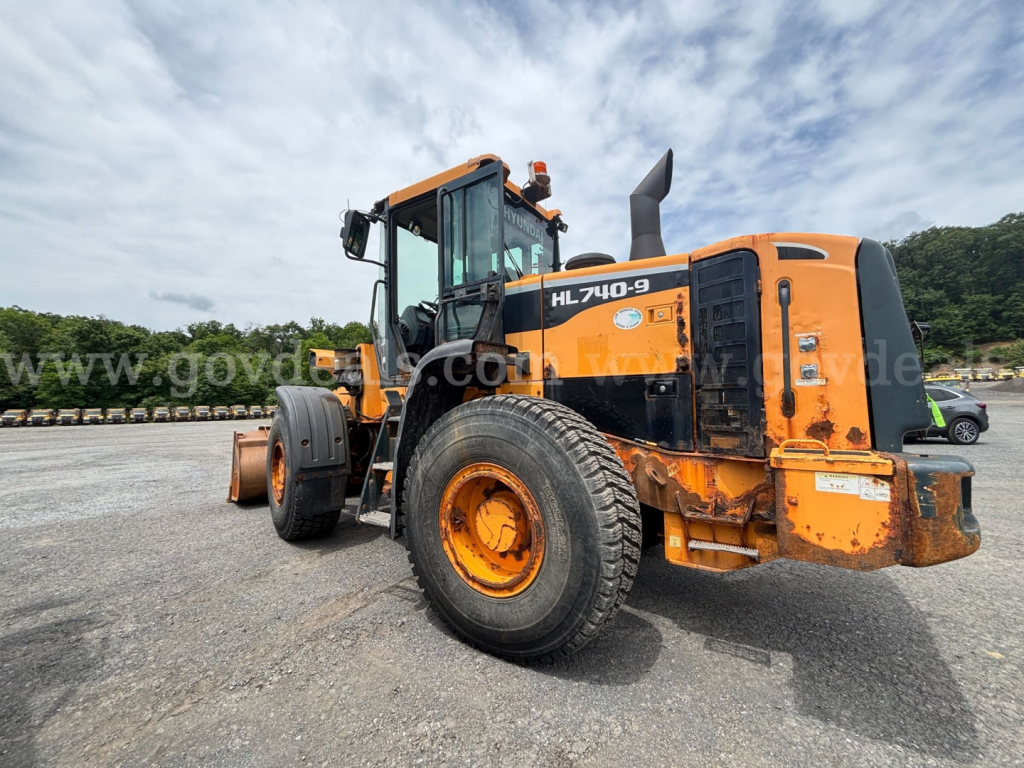
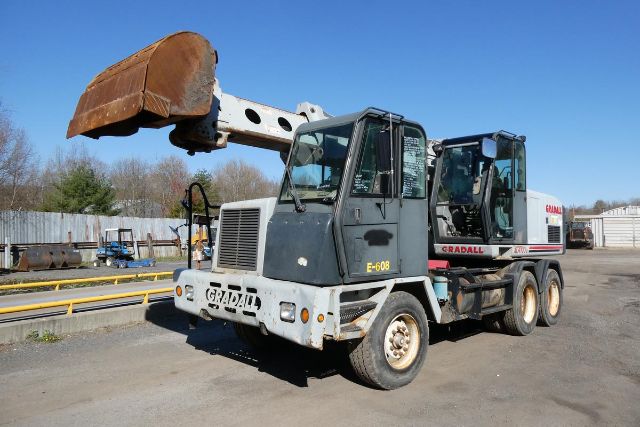
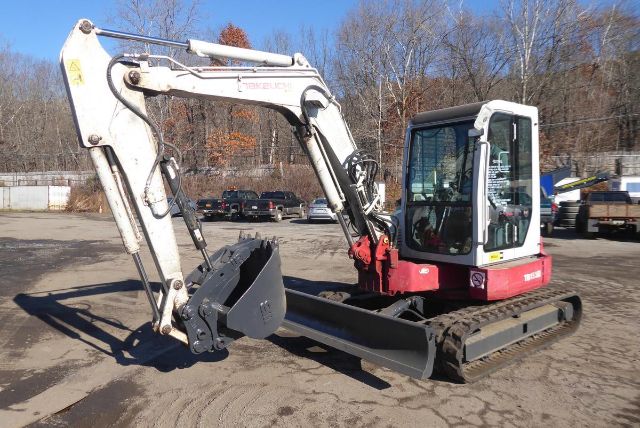
On 2010-era equipment, powertrain and hydraulic condition usually matter more than cosmetics. Buyers should focus on engine type, transmission design, hour meter or odometer readings, hydraulic performance, brake condition, tire type, lift or boom capacity, and any signs of structural fatigue. On forklifts, that means checking mast configuration, side shift, fork size, capacity at load center, propane or gas fuel system condition, and solid versus pneumatic tires. On cranes, excavators, and truck-mounted units, pay close attention to boom wear, cylinder seepage, slew or swing function, outrigger condition, frame integrity, and whether the attachment setup is practical for your operation. A clean hour meter means little if pins, bushings, hoses, and control valves are at the end of their service life.
Used 2010 trucking equipment can still be a strong value point for fleets, contractors, and owner-operators that need capability without the cost of newer iron. The advantage is often simplicity. Many units from this period rely on proven mechanical systems, straightforward hydraulic layouts, and less electronics than later models, which can make field service and parts diagnosis easier. That said, emissions equipment, safety systems, and replacement parts support vary widely by make and application. Buyers should confirm serial-specific parts availability, service access, and any known weak points for the model before committing.
The right purchase depends on matching the machine to the work cycle. A warehouse forklift with a triple mast and side shift serves a very different role than a rougher yard unit on pneumatic tires. A truck-mounted excavator or industrial crane needs to be evaluated not only for lifting or digging specs, but also for transport dimensions, jobsite maneuverability, and legal operating weight. For any used 2010 trucking equipment listing, the best buying decisions come from comparing real operating specs, visible wear points, and maintenance history instead of shopping by price alone.
Frequently Asked Questions about Used 2010 Equipment
What should I look at first when buying used 2010 trucking equipment?
Start with the machine's primary working systems, not the paint or cab condition. Check engine operation, transmission engagement, hydraulic response, brake function, tires, frame condition, and any application-specific components such as masts, booms, forks, buckets, or outriggers. Hour meter and odometer readings help, but maintenance history, visible leaks, structural wear, and attachment condition usually tell you more about remaining service life.
Is 2010 trucking equipment still practical for commercial use?
Yes, many 2010 units are still practical if they were maintained correctly and spec'd for the work you plan to do. Equipment from this period often offers durable mechanical designs and less electronic complexity than newer models. The key is verifying that parts support, safety compliance, and performance capacity still fit your operation. A well-kept 2010 machine can deliver strong value, but deferred maintenance can erase any upfront savings quickly.
How do I compare different types of used trucking equipment in one category?
Compare them by intended application first, then by core specs. A forklift should be judged on lift capacity, mast height, fuel type, tire setup, and hydraulic functions. A crane or excavator should be judged on boom or digging reach, lifting capacity, hydraulic condition, transport dimensions, and structural integrity. Even within the same year range, equipment in this category can perform very different jobs, so direct comparisons only make sense when the units will be used in similar duty cycles.
Are hours more important than age on 2010 equipment?
Hours are important, but they are only one part of the picture. Low-hour equipment that sat outside, was poorly maintained, or has outdated components can be a worse buy than a higher-hour machine with complete service records. Age affects hoses, seals, wiring, tires, and weather-exposed components, while hours reflect wear from operation. The best assessment combines both, along with a close inspection of the machine's actual condition.
Why does specification matter so much on used trucking equipment?
Specification determines whether the machine can do the work efficiently and legally. Capacity, dimensions, fuel type, axle or tire configuration, attachment setup, and hydraulic options all affect productivity and operating cost. A used unit can be mechanically sound and still be a poor fit if the mast is too short, the boom is too limited, the forks are missing, or the machine is too heavy or too wide for your site. Correct spec match is what turns a used purchase into a useful asset.