
Used 2009 Equipment For Sale
Have used 2009 equipment to sell? List it here to reach thousands of buyers.
Used 2009 Equipment
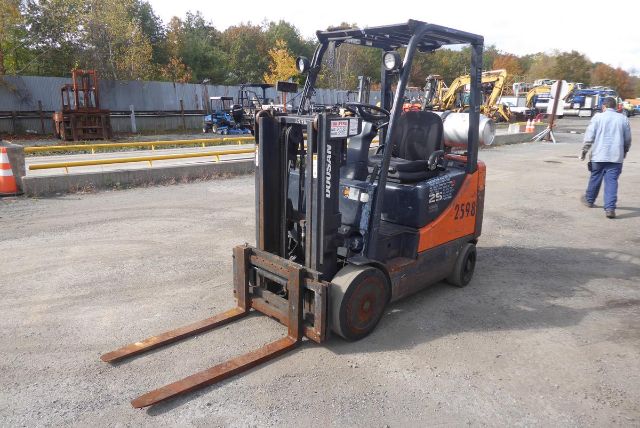
For material handling, many buyers start with forklifts because they are common in LTL terminals, yards, warehouses, and agricultural shipping points. Key specs include rated capacity, mast style, lowered mast height, maximum lift height, fork length, side-shift capability, and whether the unit runs on propane, diesel, or electric power. Cushion-tire forklifts are typically better for smooth indoor concrete, while pneumatic-tire units handle rougher yard surfaces. On a used 2009 machine, pay close attention to mast channels, tilt cylinders, carriage wear, steering response, transmission engagement, hour meter readings, and whether forks, side-shifters, or tanks are included. Small details like solid versus air-filled tires and open operator station versus enclosed cab can make a major difference in daily usability.
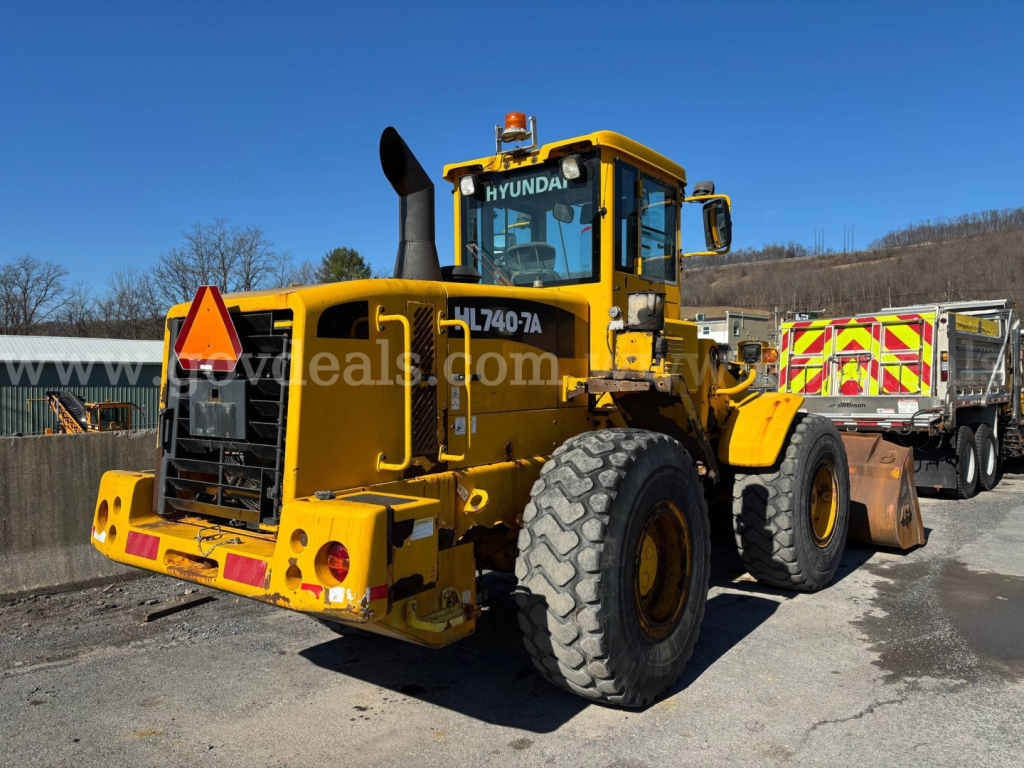
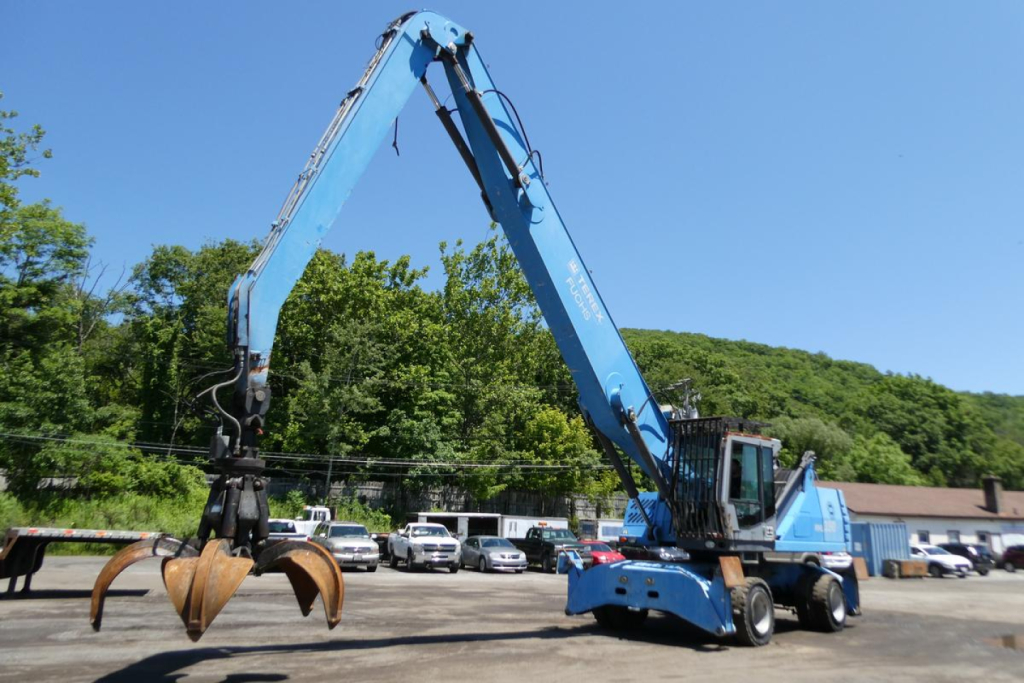
Heavier support equipment in this category can include wheel loaders and industrial machines used to move bulk materials, pallets, attachments, and site debris around trucking terminals, recycling yards, or construction-related freight operations. Buyers should compare engine type, hydraulic condition, articulation play, tire cost, quick-coupler setup, and attachment fitment. If the machine will be used around trailers, loading docks, or confined yards, overall width, turning radius, and visibility matter as much as horsepower. Older used equipment often remains a strong value when the driveline is sound, cylinders are dry, pins and bushings are tight, and service access is straightforward.
Because 2009 trucking equipment can span several machine classes, inspection discipline is critical. Look for complete serial information, cold-start behavior, smoke under load, hydraulic leaks, brake function, charging system performance, and signs of uneven wear in tires, forks, buckets, or mast rollers. Confirm transport dimensions and operating weight before purchase, especially for larger industrial units that may require lowboy or step deck hauling. A used 2009 equipment purchase can still deliver dependable service if the machine matches the job, parts support is available, and the cost of deferred maintenance is understood upfront.
Frequently Asked Questions about Used 2009 Equipment
What counts as trucking equipment on a used 2009 category page?
Trucking equipment is a broad category that usually includes support machines used in freight handling, terminal operations, yard work, warehouse loading, and fleet maintenance. That can include forklifts, wheel loaders, generators, light plants, yard support units, and other industrial machines that help move cargo or support truck-related operations. Buyers should evaluate the actual machine class and intended use rather than relying on the broad category name alone.
Is a used 2009 piece of trucking equipment too old to be practical?
Not necessarily. Age matters less than hours, maintenance history, parts availability, and the severity of prior use. Many 2009 industrial machines remain productive if the engine, transmission, hydraulics, and structural components are in good condition. Older equipment can be a cost-effective choice for lower annual utilization, backup duty, seasonal work, or operations that value mechanical simplicity over newer emissions systems and electronics.
What should I inspect first on used 2009 forklifts and loading equipment?
Start with the high-cost systems. Check engine starting, transmission engagement, hydraulic lift and tilt performance, steering response, brakes, mast or loader arm wear, cylinder leaks, and tire condition. Verify the data plate, rated capacity, hour meter, and included attachments such as forks, buckets, or couplers. On forklifts, inspect mast rollers, carriage play, chain wear, and overhead guard condition. On loaders, inspect articulation joints, quick-coupler wear, pins, bushings, and bucket or fork attachment fit.
How important are dimensions and weight when buying used trucking equipment?
Dimensions and operating weight are critical because they affect both daily use and transport logistics. Width, overall height, and turning radius determine whether the machine will work inside a warehouse, between trailers, or around loading docks. Weight affects hauling method, trailer selection, permitting in some cases, and total delivery cost. Buyers should confirm transport height, length, and machine weight before finalizing a purchase, especially on heavy industrial units.
What fuel type is best for used trucking support equipment?
The best fuel type depends on where and how the machine will operate. Propane forklifts are common in mixed indoor and outdoor use because refueling is fast and emissions are generally manageable for warehouse settings. Diesel is often preferred for heavier outdoor work and rough-terrain applications. Electric units can make sense for indoor use where noise and emissions are priorities, but battery condition becomes a major factor on used equipment. The right decision comes down to runtime, ventilation, fuel availability, and the machine’s actual workload.