
Used 2006 Equipment For Sale in New York
Browse used 2006 trucking equipment for sale in New York, including work trucks, trailers, and fleet support equipment for regional operations.
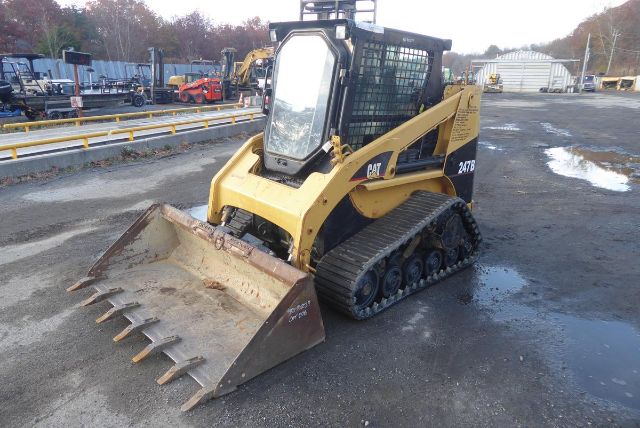
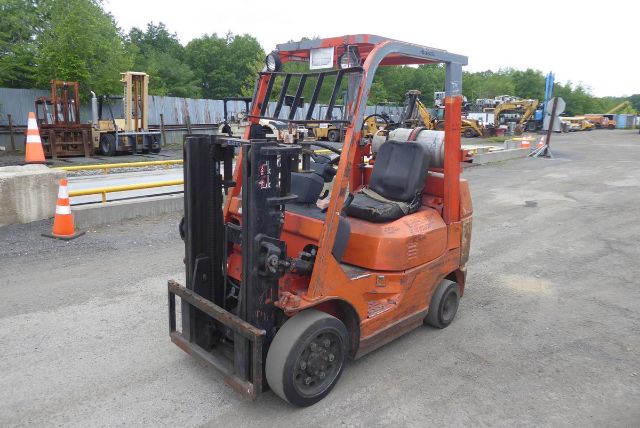
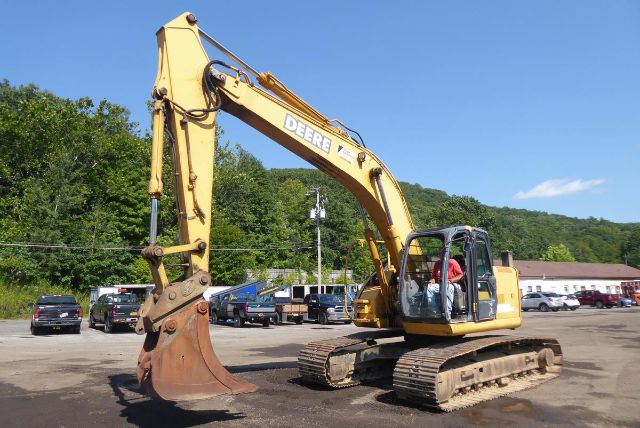
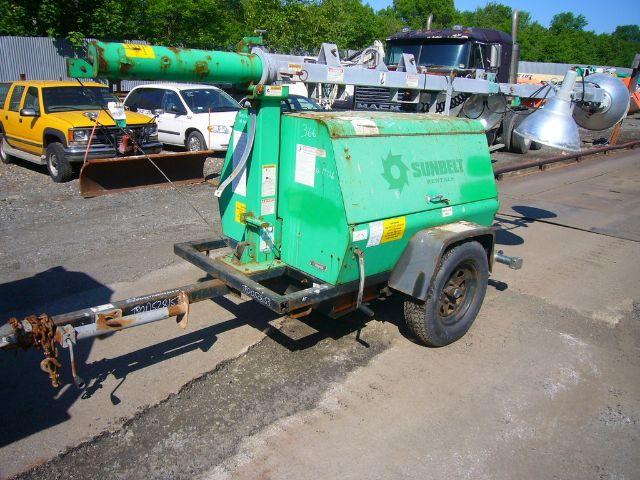
Selling a used 2006 equipment? List your used 2006 equipment for sale and reach thousands of commercial buyers.
Used 2006 Equipment in New York
This equipment class can cover a wide range of commercial assets, including day cabs, sleeper tractors, straight trucks, dump trucks, van bodies, flatbeds, stake bodies, service trucks, yard tractors, and support equipment used around terminals and job sites. Common 2006-era specs often include pre-emissions or early emissions diesel engines, manual or automated manual transmissions, spring or air-ride suspensions, and tandem or single-axle configurations depending on application. Buyers comparing listings should focus on GVWR or GCWR, axle ratings, wheelbase, engine family, transmission model, PTO setup, body dimensions, and any hydraulic or auxiliary systems. On trailers and vocational units, details like floor type, crossmember spacing, hoist condition, kingpin setting, landing gear wear, and ABS status can make a major difference in operating cost.
For New York buyers, registration class, bridge law compliance, and route restrictions can shape the right spec as much as engine or body style. A shorter wheelbase truck may be better suited for borough deliveries, municipal work, or tighter industrial yards, while a highway tractor for upstate or interstate lanes may need a different axle ratio, fuel capacity, and sleeper configuration. If the equipment will work seasonally or in severe weather, check tires by date code and tread type, inspect air tanks and brake chambers for corrosion, and verify heater, defroster, lights, and charging system performance. On older units, parts availability and ease of repair are often strong advantages, particularly when the truck uses common driveline components from Cummins, Caterpillar, Detroit Diesel, Eaton, Fuller, Meritor, or Hendrickson.
The best used 2006 trucking equipment usually stands out for straightforward spec sheets and a maintenance history that supports the asking price. Look for evidence of consistent fluid service, brake work, suspension repairs, injector or turbo replacement where applicable, and signs that the equipment was not simply kept running until trade-in. A careful buyer should also match the unit to the job cycle. Local delivery, aggregate hauling, snow and ice work, equipment transport, and warehouse support all place very different demands on drivetrain, frame, body, and hydraulics. When the spec matches the route and payload, a 2006 model can still deliver dependable service and lower acquisition cost.
Frequently Asked Questions about Used 2006 Equipment in New York
What should I inspect first on used 2006 trucking equipment in New York?
Start with corrosion and structural condition. New York use can be hard on frames, crossmembers, brake components, wiring, and bodies because of winter salt and moisture exposure. Check frame rails for scaling or repairs, inspect cab corners and mounting points, look at air tanks and brake chambers, and examine hydraulic lines, fuel tanks, and suspension brackets. Mechanical wear is expected on 2006 equipment, but severe rust and poor repairs can be more expensive than engine or transmission work.
Is 2006 trucking equipment too old for commercial use?
Not necessarily. Many 2006 trucks, trailers, and vocational units remain productive if they were maintained properly and spec'd for the work. Age alone does not determine value or usefulness. Buyers should judge engine health, driveline condition, brake system integrity, electrical performance, and overall structural soundness. A well-kept 2006 unit with common components and documented service can still be a cost-effective option for regional hauling, yard work, seasonal operations, or vocational applications.
What specs matter most when comparing used 2006 trucking equipment listings?
The most important specs depend on the equipment type, but several core details matter across the board: axle ratings, GVWR or GCWR, wheelbase, engine make and model, transmission type, suspension setup, brake configuration, and any PTO or hydraulic equipment. On trailers or body-equipped trucks, pay close attention to body length, floor condition, hoist operation, kingpin setting, and structural wear. These details determine payload capability, maneuverability, legal compliance, and long-term repair cost.
Are 2006 diesel trucks easier to maintain than newer models?
In many cases, yes. Many 2006 units use simpler engine and aftertreatment setups than later trucks, which can make diagnosis and repair more straightforward. That can be an advantage for owner-operators, small fleets, and vocational users who value mechanical accessibility and lower complexity. The tradeoff is that older equipment may need more frequent wear-item replacement, and buyers should confirm parts support for the specific engine, transmission, and chassis components before purchase.
How do I know if a used 2006 truck is properly spec'd for my operation?
Match the equipment to payload, route, and duty cycle before comparing price. For urban or municipal work, wheelbase, turning radius, visibility, and stop-and-go durability may be more important than horsepower. For highway use, look at axle ratio, sleeper configuration, fuel capacity, and ride quality. For dump, flatbed, or service applications, verify PTO compatibility, hydraulic capacity, frame strength, and body condition. The right spec usually lowers maintenance cost and improves uptime more than simply buying the lowest-priced unit.