
Used 1999 Equipment For Sale
Browse used 1999 trucking equipment for sale, including trailers, trucks, and support equipment built for freight, construction, and fleet operations.
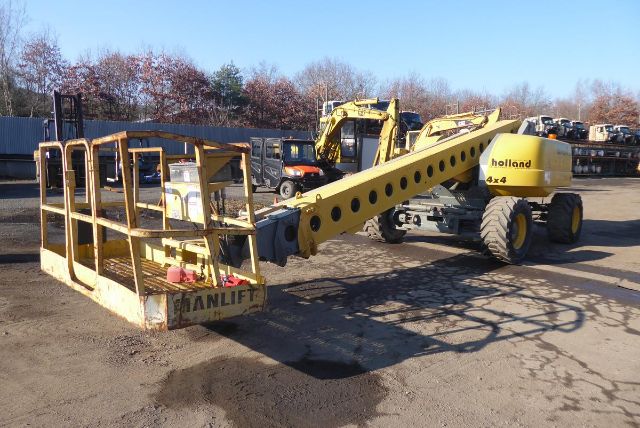
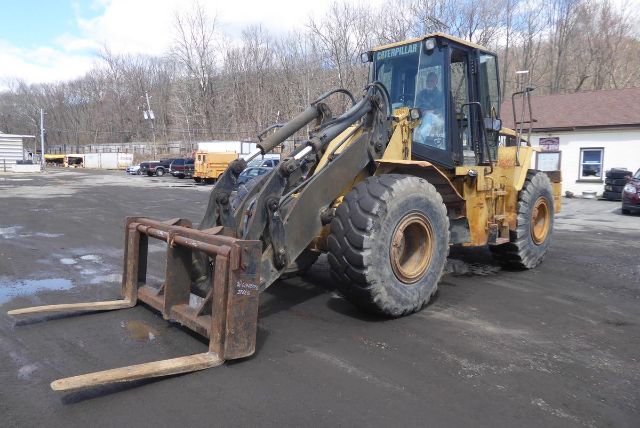
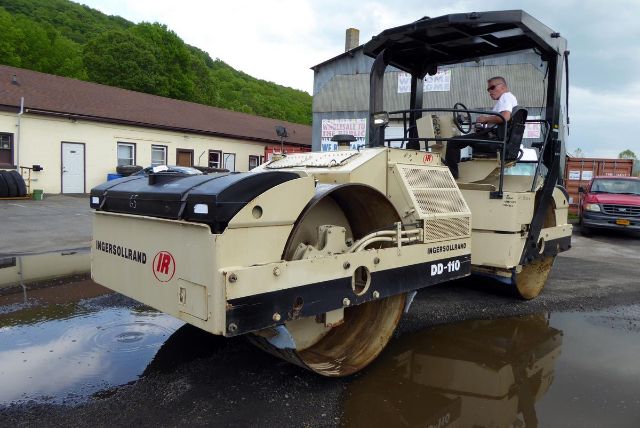
Selling a used 1999 equipment? List your used 1999 equipment for sale and reach thousands of commercial buyers.
Used 1999 Equipment
This category can include a wide range of commercial equipment tied to trucking operations, from road tractors and vocational trucks to trailers, forklifts, loaders, and other support machines used around freight yards and job sites. For truck buyers, common decision points include engine family, transmission type, axle ratings, suspension, wheelbase, PTO setup, and whether the unit was built for over-the-road, dump, roll-off, towing, or regional delivery work. On trailers, buyers usually focus on GVWR, deck or body length, suspension, brake configuration, floor condition, crossmember spacing, kingpin area wear, and signs of prior structural repair. Yard and loading equipment from this era should be checked for mast wear, cylinder seepage, steer axle looseness, hour meter credibility, and tire type such as pneumatic or solid.
A 1999 model year unit often makes sense for buyers who have in-house maintenance capability or who need equipment for seasonal, backup, farm, municipal, or low-mile applications. The inspection process matters more here than on newer iron. Look closely at rust in the frame rails, spring hangers, cab mounts, outriggers, body supports, and suspension attachment points. Verify brake condition, tire date codes, differential noise, hydraulic response, cooling system health, electrical repairs, and any evidence of hard use or long periods of storage. On diesel trucks from this period, pay attention to cold-start behavior, blow-by, injector performance, clutch wear, and transmission synchronizer condition. If the equipment uses propane, hydraulic, or hydrostatic systems, confirm seal condition and operating smoothness under load.
The strongest used 1999 trucking equipment listings are the ones with clear hours or mileage, detailed component information, and honest notes on wear items and functional issues. A lower purchase price can be offset quickly by deferred maintenance, so buyers should weigh repair backlog against the simplicity and utility these older machines can still offer. For the right operation, 1999 equipment remains relevant because it can handle real work without the higher capital cost of late-model units, especially when the machine has documented upkeep and specifications that match the intended job.
Frequently Asked Questions about Used 1999 Equipment
What should I inspect first on used 1999 trucking equipment?
Start with the major cost items: engine or power unit condition, transmission operation, frame or chassis integrity, brake system, tires, and hydraulics if equipped. On older equipment, corrosion, weld repairs, fluid leaks, and wear in structural connection points can be more important than cosmetics. Service records, hour meter or odometer consistency, and a cold-start evaluation help establish whether the unit has been maintained or simply kept running.
Is 1999 trucking equipment too old for commercial use?
Not necessarily. A 1999 unit can still be productive if it matches the job and has been maintained properly. Older equipment is often used in farm work, municipal fleets, local hauling, yard service, seasonal operations, and backup roles where lower acquisition cost matters more than the newest technology. The key is to buy based on current mechanical condition, parts support, and realistic repair expectations rather than model year alone.
What are the advantages of pre-emissions era diesel equipment from 1999?
Many buyers prefer this era because the engines and supporting systems are generally less complex than later emissions-controlled platforms. That can mean fewer electronic aftertreatment components, simpler diagnostics, and easier field repairs. The tradeoff is that age-related wear becomes the main concern, so injector health, cooling system condition, seals, wiring, and driveline wear need closer attention during inspection.
How do I judge value on used 1999 trailers or support equipment?
Value comes from structure, function, and remaining service life. On trailers, inspect the frame, crossmembers, suspension, brakes, floor, kingpin area, and signs of twist or heavy prior repair. On forklifts, loaders, and similar support equipment, focus on hours, mast or boom wear, hydraulic cylinder condition, tire type, steering play, and drivetrain response under load. A cheaper unit is only a better value if it does not require immediate major repairs.
Are parts still available for 1999 trucking equipment?
In many cases, yes. Common drivetrain components, brake parts, suspension parts, seals, filters, and electrical items are often still available through OEM, aftermarket, rebuilders, and salvage sources. Availability depends heavily on the make, model, engine family, and whether the equipment uses proprietary electronics or attachments. Before buying, it is smart to confirm support for major components and any hard-to-find cab, body, or hydraulic parts.