
Used 1998 Equipment For Sale
Browse used 1998 trucking equipment for sale, including trucks, trailers, lifts, and support equipment built for hauling, loading, and jobsite work.
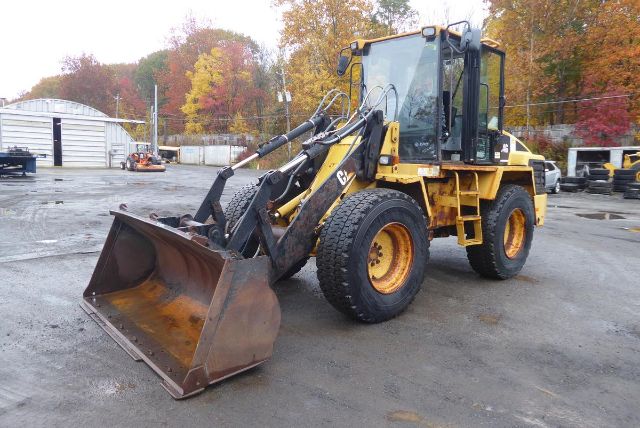
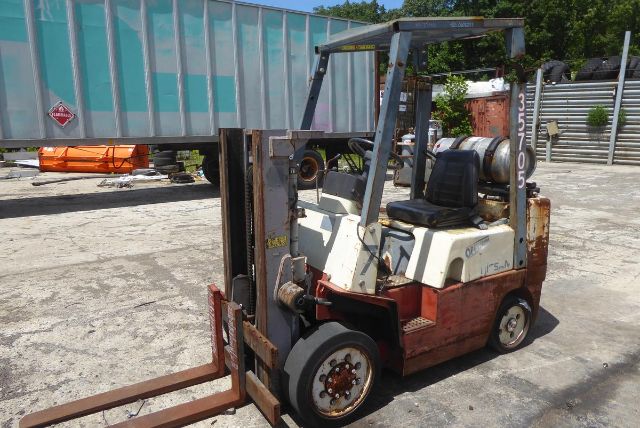
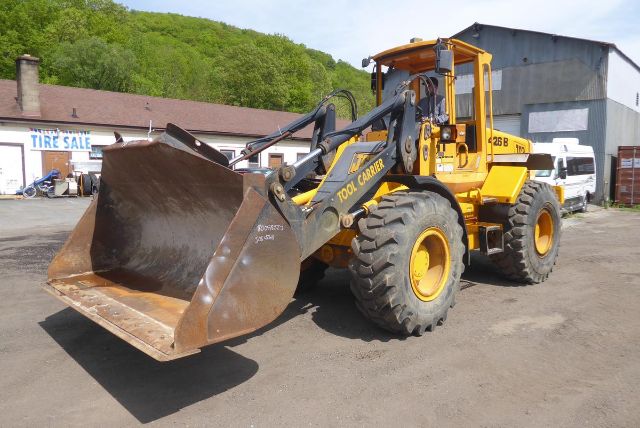
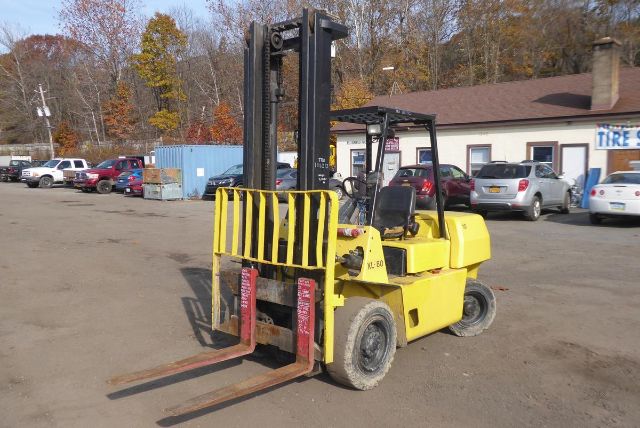

Selling a used 1998 equipment? List your used 1998 equipment for sale and reach thousands of commercial buyers.
Used 1998 Equipment
The most important evaluation points on 1998 equipment are hours or mileage, driveline condition, hydraulic performance, structural wear, and maintenance history. On material handling equipment such as fork lifts, buyers usually focus on mast operation, lift capacity, side shift function, cylinder leakage, brake condition, tire type, and engine fuel system. On road equipment and trailers, the same logic applies through a different set of wear items: frame condition, suspension, brakes, electrical system, landing gear, floor integrity, kingpin wear, and evidence of hard use or poor repairs. Older trucking equipment can still be productive if the core components are sound and the unit matches the job.
Specs vary widely in this category, so application should drive the search. A 1998 yard forklift may be best suited for loading flatbeds, moving palletized freight, or supporting a pipe yard or lumber operation. Other 1998 trucking-related equipment may serve in paving, site prep, warehouse handling, or municipal support roles. Common items to compare include diesel versus propane power, pneumatic versus solid tires, automatic versus hydrostatic transmissions, open operator station versus enclosed cab, and rated capacity or axle loading. Buyers should also verify attachment compatibility, fork dimensions, mast height, overall machine width, and transport weight before committing to an older unit.
For many fleets and owner-operators, used 1998 trucking equipment still fills a practical role as a lower-cost backup asset, seasonal machine, or dedicated yard piece. The best value usually comes from units with straightforward mechanical systems, visible service records, and no major issues in the engine, transmission, hydraulics, or structure. Parts availability should be checked early, especially for older lifts, specialty machines, and discontinued models. If the equipment will be used daily, a detailed inspection matters more than any headline spec because downtime, not purchase price, is usually the real cost driver on older commercial equipment.
Frequently Asked Questions about Used 1998 Equipment
Is used 1998 trucking equipment still practical for commercial use?
Yes, used 1998 trucking equipment can still be practical if the machine has been maintained and the major systems are in sound condition. Many buyers prefer older equipment because it often has simpler mechanical engines, fewer electronic controls, and lower purchase cost. The key is to judge the actual condition of the engine, transmission, hydraulics, frame, and running gear rather than relying on age alone.
What should I inspect first on 1998 trucking equipment?
Start with the expensive systems that can turn a low purchase price into a high repair bill. That usually means engine starting behavior, blow-by, leaks, transmission engagement, hydraulic response, brake performance, steering play, and structural cracks or corrosion. On forklifts and other lifting equipment, check mast wear, chain condition, cylinder seals, side shift operation, tire condition, and rated capacity plate. On trailers or truck-related support equipment, inspect the frame, suspension, brake components, floor, wiring, and visible repair quality.
Are parts still available for 1998 commercial equipment?
Parts availability depends on the make, model, and engine family. Common brands and widely used powerplants usually have better aftermarket and salvage support, while niche models or discontinued systems may require more sourcing time. Before buying, confirm availability for filters, brake parts, seals, hydraulic components, tires, electrical items, and any model-specific wear parts. This is especially important if the unit will be used daily instead of as backup equipment.
Why do some buyers prefer older pre-emissions equipment from this era?
Many buyers like equipment from the late 1990s because it may have fewer emissions-related components than newer machines. Simpler fuel and air systems can be easier to diagnose and repair, especially in rural areas or small fleet operations without dealer-level diagnostic tools. That does not automatically make a 1998 machine better, but it can make ownership more predictable if the equipment has been kept in good mechanical condition.
How do I know if a 1998 machine is priced fairly?
Fair pricing comes from comparing condition, hours or mileage, brand reputation, included attachments, and current repair needs. A cheaper unit with weak brakes, leaking hydraulics, or structural damage may cost more in total ownership than a better-maintained machine with a higher asking price. Buyers usually get the clearest value picture by combining a visual inspection, an operational test, and a realistic estimate of parts and labor needed to put the equipment into dependable service.