
Used Terex Equipment For Sale
Shop used Terex trucking equipment including specialty support and material-handling units built for utility, recycling, and jobsite work.
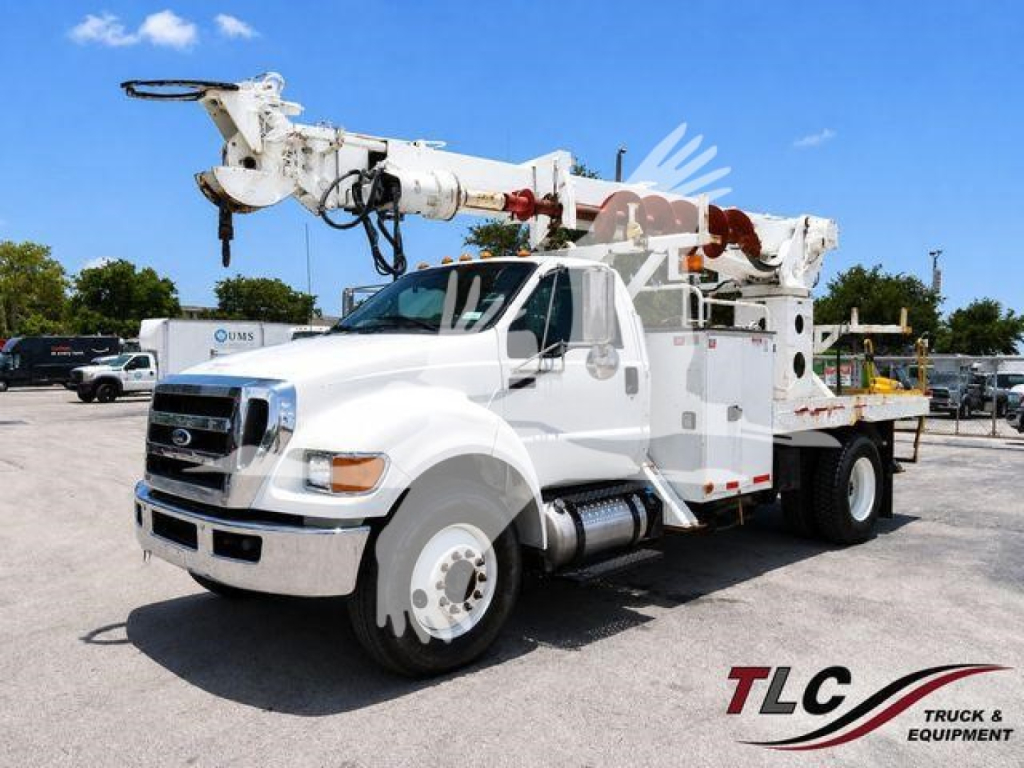
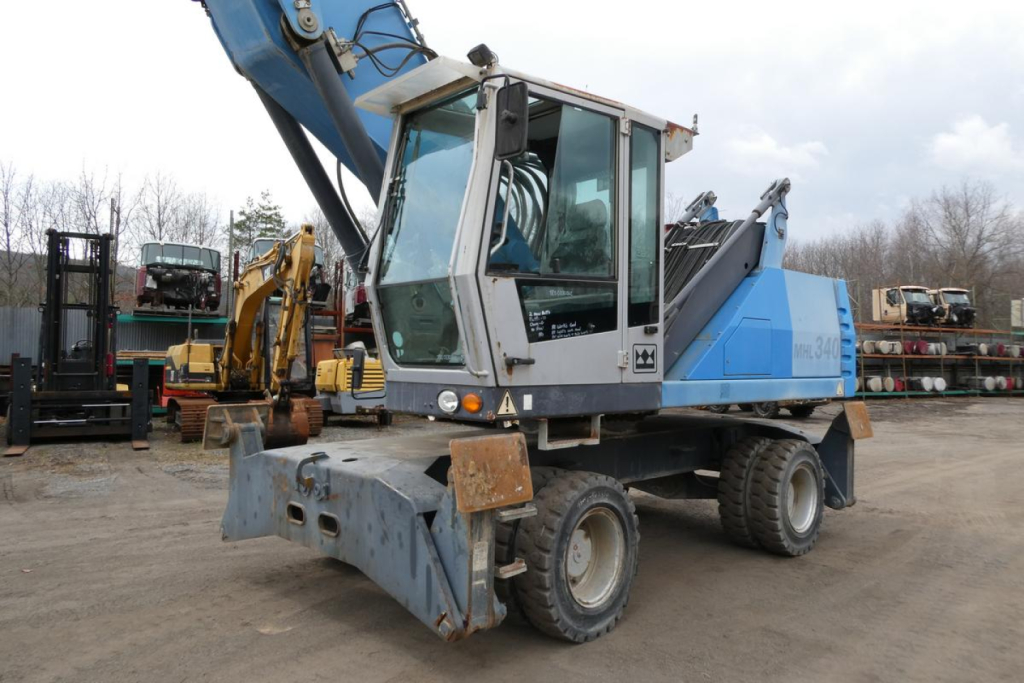
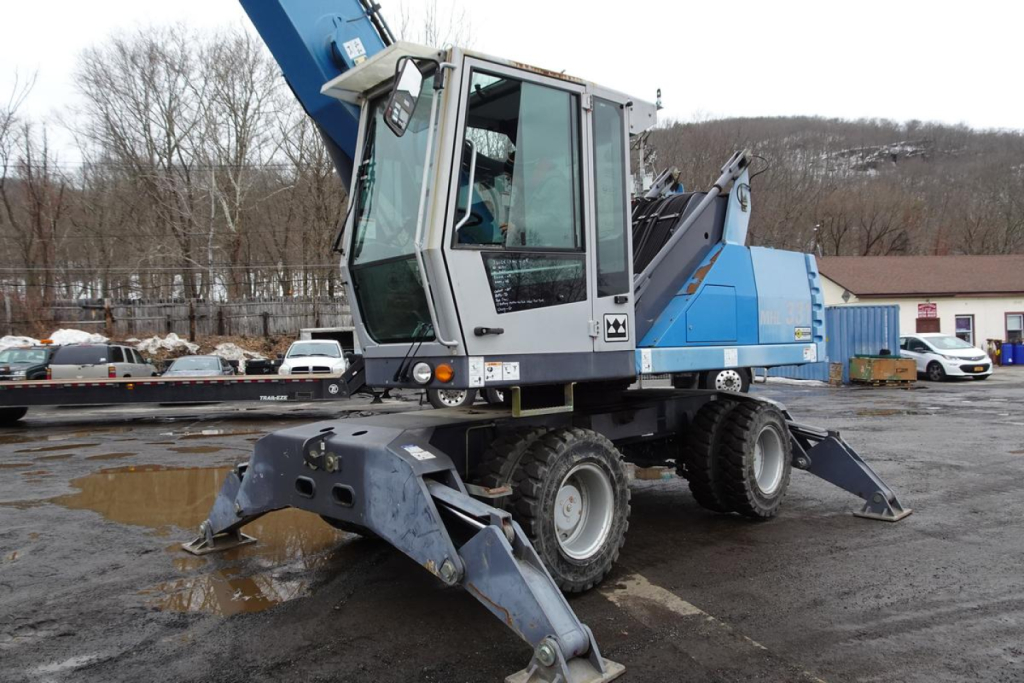
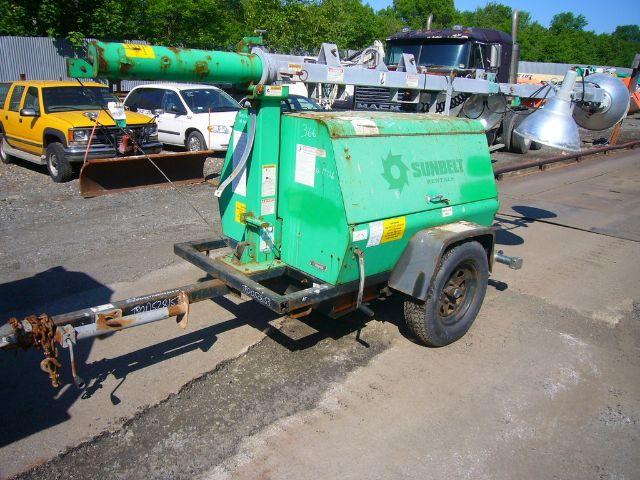
Selling a used terex equipment? List your used terex equipment for sale and reach thousands of commercial buyers.
Used Terex Equipment
For smaller Terex support equipment, key specs usually include engine make, generator output, receptacle configuration, running hours, trailer dimensions, tire size, and overall operating weight. Units in this class are commonly used for road work, utility crews, emergency response, and temporary site power or lighting. A compact diesel engine, simple mechanical systems, and common trailer tires can make ownership straightforward, but condition matters more than age on these machines. Check tower operation, mast stability, electrical output under load, lighting function, pintle or ball hitch setup, and signs of wear around the frame, harnesses, and control panel.
For larger Terex material-handling equipment, the important questions are reach, lift geometry, undercarriage or tire setup, cab configuration, and attachment readiness. Many used Terex handlers in industrial and recycling service are equipped with hydrostatic drive, Deutz diesel power, multi-section booms, hydraulic cab risers, backup cameras, outriggers, and generators for magnet operation. Reach and boom length affect stockpile access, trailer loading, and rail or container work. Buyers should inspect cylinder sealing, turntable play, hydraulic response, boom pin wear, grapple condition, and the performance of any magnet or rotator system. Transport width, shipping length, and operating weight also matter because these machines often require route planning and specialized hauling.
A strong used Terex purchase is usually the one with clear service history, correct attachment setup, and specs that match the work without oversizing the machine. In utility and support roles, electrical reliability and ease of towing are often the real value drivers. In recycling and scrap applications, uptime depends on hydraulic health, structural integrity, and the condition of the boom, cab lift system, and outriggers. Terex equipment has long been used in demanding environments, so a careful inspection should always include engine performance, cold-start behavior, control responsiveness, and parts support for the specific model series.
Frequently Asked Questions about Used Terex Equipment
What kinds of used Terex trucking equipment are most common on the market?
The used Terex market often includes towable light towers, mobile generators, utility support units, and heavy material handlers used in scrap and recycling operations. The brand covers more than one equipment type, so buyers should evaluate the exact machine class first. A towable power or lighting unit has very different maintenance priorities than a Terex handler with a boom, grapple, outriggers, and hydrostatic drive.
What should I inspect first on a used Terex light tower or generator unit?
Start with hours, engine condition, and electrical output. Confirm the generator produces steady power at the rated receptacles, the mast raises and lowers smoothly, all lamps or work lights function properly, and the trailer frame is sound. Tire age, hub condition, coupler wear, wiring damage, and corrosion around the control panel are all common areas that affect reliability and transport safety.
What matters most when buying a used Terex material handler?
Reach, hydraulic performance, structural condition, and attachment compatibility are usually the top concerns. Inspect boom pins and bushings, cylinder rods and seals, swing bearing play, cab riser operation, outriggers, and the condition of the grapple or magnet setup. A machine can look clean and still have expensive hydraulic or upper-structure wear, so function testing under load is important.
Are Terex material handlers suitable for scrap and recycling work?
Yes. Many Terex material handlers were built specifically for scrap, recycling, and bulk material movement. Common features include elevated or hydraulically adjustable cabs for yard visibility, long boom reach for loading, grapples with rotators, and generator packages for running magnets. The right machine depends on pile height, required reach, loading cycle speed, and available transport capacity.
How important are transport dimensions on used Terex equipment?
Transport dimensions are critical because many Terex units are specialty machines that can be expensive or difficult to move. Buyers should verify shipping length, overall width, transport height, and operating weight before purchase. Those numbers affect trailer selection, permitting, route planning, and total delivery cost, especially on larger handlers with outriggers, raised cabs, or long booms.