
Walker Recyclings For Sale
Shop Walker recycling trucking equipment including magnets and material handling attachments built for scrap, transfer, and recycling operations.
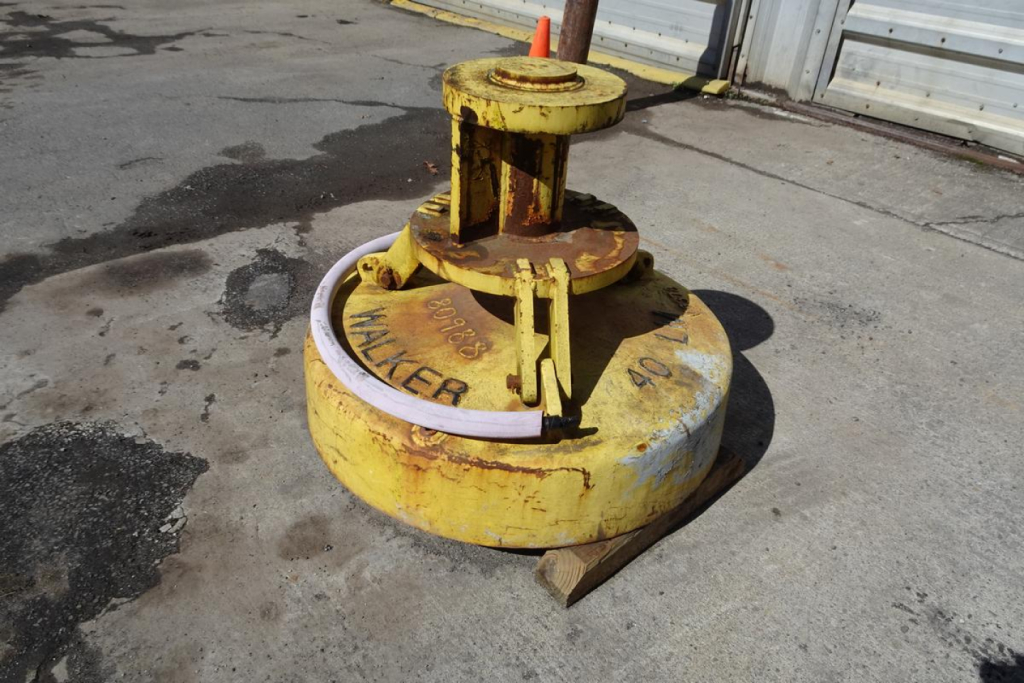
Selling a walker recycling? List your walker recycling for sale and reach thousands of commercial buyers.
Walker Recyclings
Power and duty cycle matter as much as physical size. Many Walker magnet systems are specified by voltage, amperage, and continuous-use capability because recycling yards and transfer operations can put attachments through repeated lift-and-drop cycles all day. Weight is another practical consideration since attachment weight affects crane, boom, knuckleboom, or handler performance. Dimensions also matter for clearance around trailers, containers, hoppers, and sorting areas. If the unit is going on a truck-mounted loader or a stationary material handling setup, confirm electrical compatibility, controller condition, cable routing, shackles, and wear points before purchase.
Application should drive the buying decision. A compact Walker recycling magnet can make sense for smaller ferrous clean-up, processing lines, and lighter scrap handling, while larger setups are chosen for heavier production and faster cycle times. If the attachment is configured for a grapple grab, check how easily the system changes between functions and whether the mounting hardware matches your existing equipment. In scrap and recycling work, uptime comes from simple things done right: solid electrical components, good lifting eyes, reliable controls, and a magnet face with manageable wear.
Condition evaluation is especially important with used recycling equipment. Look for heat damage, cracked housings, cable fatigue, uneven magnet face wear, and signs the duty cycle exceeded what the unit was built to handle. Ask about testing under load, recent repairs, and whether the system holds consistent magnetic pull through repeated cycles. For operations handling steel scrap, shred, turnings, or yard clean-up, Walker recycling equipment remains a recognized name because the product category is built around one thing that buyers care about most: dependable ferrous material handling in tough, repetitive service.
Frequently Asked Questions about Walker Recyclings
What is Walker recycling equipment commonly used for?
Walker recycling equipment is commonly used for handling ferrous scrap in recycling yards, transfer stations, processing lines, demolition clean-up, and material loading applications. The brand is especially associated with industrial magnets that lift steel, iron, and other ferrous material. These units may be used with truck-mounted loaders, cranes, excavators, stationary handling systems, or setups paired with grapple grab equipment depending on the operation.
What specs matter most when comparing Walker recycling magnets?
The key specs are voltage, amperage, duty cycle, weight, physical dimensions, and attachment configuration. Buyers should also verify how the unit is powered, how often it can run under load, and whether it is set up for magnet-only use or combined with a grapple grab. In real-world yard work, electrical compatibility and attachment weight are just as important as lifting performance because both affect installation, cycle times, and machine productivity.
How do I know if a used Walker recycling attachment is a good fit for my machine?
Start with the carrier or support equipment. Confirm the machine's lifting capacity, hydraulic or electrical support system, mounting arrangement, and available clearance. Then compare the attachment's operating weight, dimensions, shackle or rigging setup, and control requirements. A good fit is not just about making the attachment connect. It also needs to operate safely through the full working range without overloading the boom, reducing stability, or creating power supply issues.
What should I inspect on a used Walker magnet before buying?
Inspect the magnet face for uneven wear, impact damage, and excessive thinning. Check the housing for cracks, signs of overheating, and repairs. Review cables, connectors, lifting points, and shackles for fatigue or deformation. It is also smart to confirm that the unit energizes properly, releases material cleanly, and maintains consistent pull during repeated cycles. In recycling service, hidden electrical problems and structural wear can be more costly than cosmetic issues.
Can Walker recycling equipment be used outside of a scrap yard?
Yes. Although scrap and recycling are the most common applications, Walker lifting magnets and related handling equipment can also be used in steel fabrication support, rail and port material handling, demolition debris separation, foundry operations, and plant clean-up where ferrous material must be moved quickly. The best application depends on the power source, duty cycle, attachment method, and the type and volume of material being handled.