
Used 2012 Recyclings For Sale
Browse used 2012 recycling equipment including material handlers, magnets, and scrap processing machines built for yard, demo, and transfer work.
Selling a used 2012 recycling? List your used 2012 recycling for sale and reach thousands of commercial buyers.
Used 2012 Recyclings
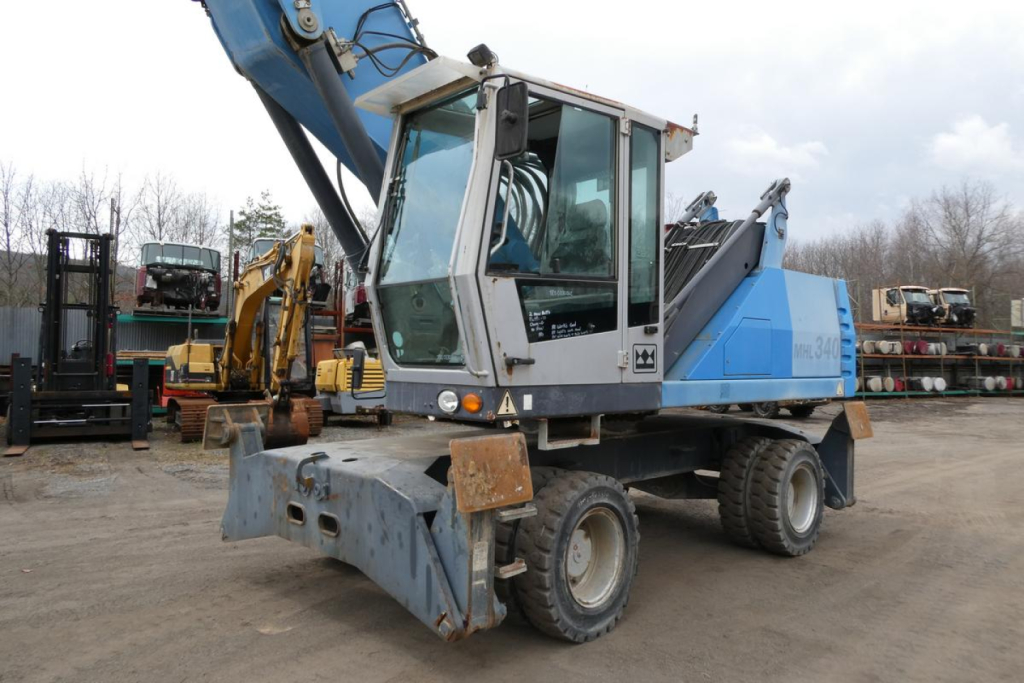
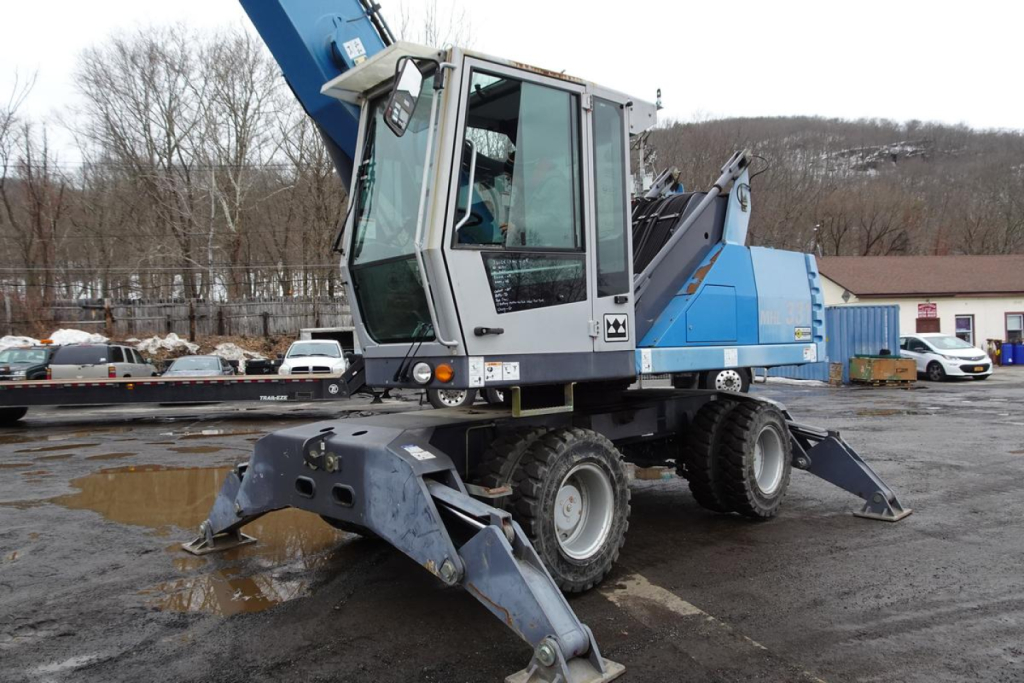
For a 2012 recycling machine, the key numbers are operating weight, reach, undercarriage or tire setup, and attachment compatibility. In the sample units, reach falls roughly in the low-30-foot to mid-40-foot range, with operating weights from around 50,000 to 64,000 pounds on wheeled handlers and more on heavier tracked scrap machines. Engines in this class are commonly in the 150 to 175 horsepower range for mid-size wheeled units, with hydrostatic systems that allow smooth positioning and precise upper rotation. Four hydraulic outriggers, adjustable cab risers, backup cameras, and dry cylinders are all meaningful indicators because they affect stability, visibility, and immediate service needs. If magnet work is part of the job, confirm generator output, wiring, and attachment controls before purchase rather than assuming every handler is equally equipped.
Buyers comparing used 2012 recycling equipment should pay close attention to application-specific wear. Scrap and demolition work are hard on boom pins, stick bushings, rotators, grapple shells, magnet leads, swing bearings, undercarriage components, and hydraulic plumbing. On wheeled material handlers, inspect tire condition, axle play, steering response, outrigger function, and frame integrity around high-stress areas. On tracked machines or excavator-based scrap handlers, look closely at pad wear, rollers, sprockets, and structural repairs around the stick and boom foot. Cab condition matters more than many buyers expect because these machines rely on visibility and operator comfort to maintain production over long shifts. A non-working air conditioning system, worn joysticks, or limited cab lift function can directly affect productivity and operator retention.
The 2012 model year can still make sense for yards that need proven iron without stepping into newer-equipment pricing. The best value usually comes from machines with clear maintenance history, known hour readings, a matched attachment package, and specs that fit the material stream. A 32-foot reach machine can be a strong fit for lighter transfer or sorting work, while a 45-foot class handler is better suited for deeper stockpiles, barge loading, rail work, or feeding larger shredders. Buyers should also consider transport dimensions, yard surface conditions, and parts support for the make and engine platform. In this category, the right used machine is less about model year alone and more about reach, stability, hydraulic health, and how well the setup matches the scrap or recycling operation.
Frequently Asked Questions about Used 2012 Recyclings
What types of machines are included in used 2012 recycling equipment?
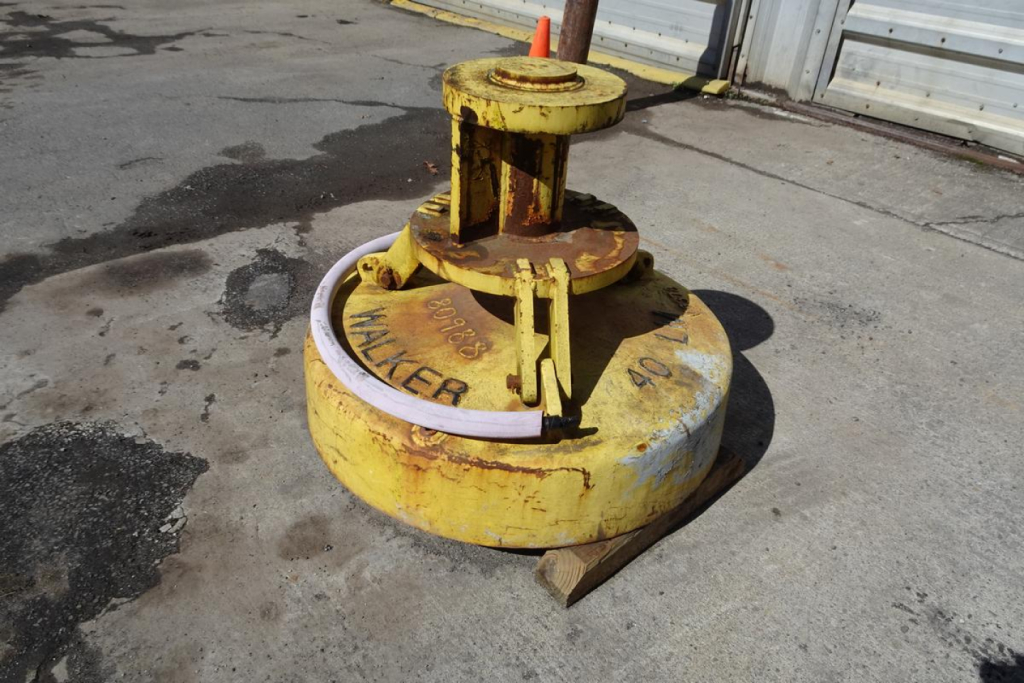
This category commonly includes wheeled material handlers, tracked scrap handlers, excavator-based recycling machines, lifting magnets, grapples, shears, and other processing attachments. In many used markets, the most common 2012 recycling units are purpose-built material handlers with elevated cabs, outriggers, and generator packages for magnet service. Some listings may also include standalone magnets or specialty attachments used in scrap and demolition operations.
What should I inspect first on a used 2012 recycling material handler?
Start with the boom, stick, pins, bushings, cylinders, swing bearing, and hydraulic system because these areas take the most punishment in scrap service. Then check the generator and electrical setup if the machine is intended to run a magnet. On wheeled units, inspect tires, steering, axle components, and outriggers. On tracked units, inspect pads, rollers, idlers, and sprockets. Service records, hour meter credibility, and evidence of structural welding or repair are also important early checkpoints.
Is a wheeled material handler better than a tracked machine for recycling work?
A wheeled material handler is often the better choice for paved yards, transfer stations, and operations that need mobility, fast repositioning, and efficient truck loading. A tracked machine can be a better fit for rough ground, demolition debris, and heavier-duty applications where flotation and stability on uneven surfaces matter more than travel speed. The better option depends on yard conditions, material type, and whether the machine is sorting, loading, shearing, or feeding processing equipment.
How much reach is typical for 2012 recycling equipment in this class?
Mid-size 2012 recycling handlers commonly offer reach from about 30 feet to 45 feet depending on boom and stick configuration. Shorter reach setups are often adequate for sorting lines, transfer work, and smaller stockpiles. Longer reach machines are preferred for railcars, barges, deep piles, and high-sided trailers or containers. Reach should be matched to the loading height and working radius required in the yard.
Why does generator capacity matter on scrap and recycling equipment?
Generator capacity matters because many scrap handlers use onboard generators to power lifting magnets. If the generator output is undersized, mismatched, or not functioning correctly, magnet performance can suffer and cycle times will drop. Buyers should confirm the generator rating, control setup, wiring condition, and attachment compatibility before relying on a machine for ferrous loading or sorting work.