
Used Terex Recycling For Sale in New York
Used Terex recycling equipment for sale, including wheeled material handlers built for scrap, transfer, and magnet or grapple work.
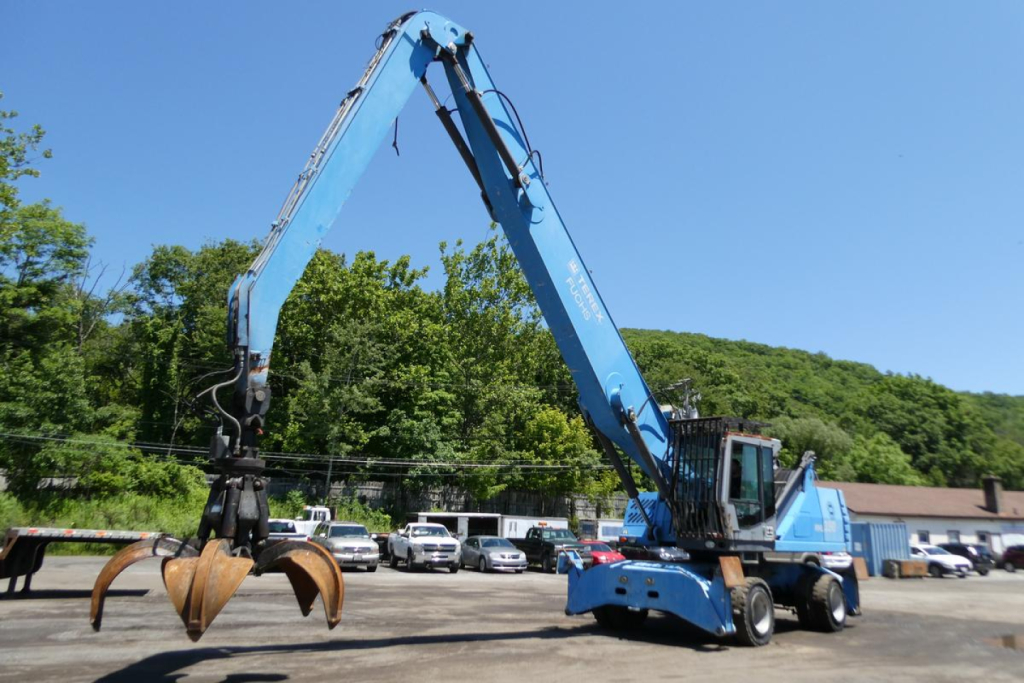
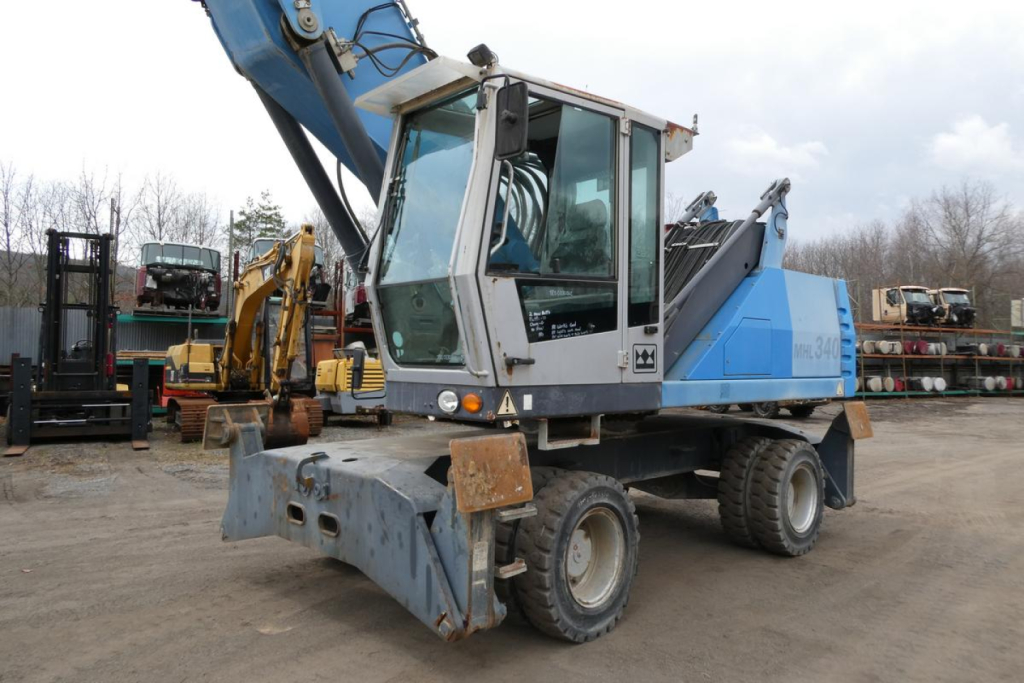
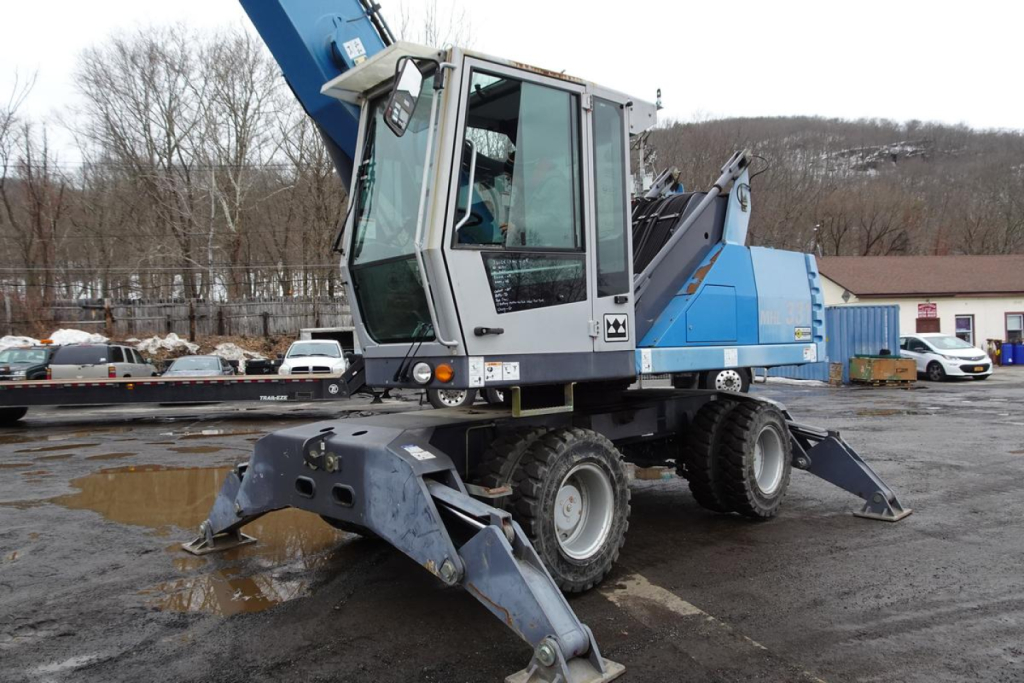
Have used terex recycling equipment to sell? List it here to reach thousands of buyers.
Used Terex Recycling in New York
Reach and working envelope matter first. Smaller Terex wheeled handlers in this class may be around the low-30-foot reach range, while larger units can push into the mid-40s to low-50s depending on boom and stick combination. That affects trailer loading, baler feeding, and how much yard area the machine can cover without repositioning. Most buyers in New York also pay close attention to transport dimensions, overall machine weight, and outrigger setup because these machines often work on paved yards with tight traffic lanes and limited storage space. Four hydraulic outriggers are common and important for stability during heavy swing loads, especially when running a rotating scrap grapple or a magnet generator package.
Powertrain and attachment setup are where used-unit value is won or lost. Many Terex recycling machines use Deutz diesel engines paired with hydrostatic transmissions, a combination that gives smooth control for repetitive pick-and-place work. Solid or heavy-duty tires are common in scrap applications where puncture resistance matters more than ride quality. Buyers should verify whether the machine is plumbed and equipped for a magnet, whether a generator is installed and sized appropriately, and what grapple is included, including rotator condition and tooth style. Cab riser function, joystick response, backup camera operation, cylinder dryness, and slew bearing condition deserve close inspection because they directly affect productivity and repair costs.
A used Terex recycler should be judged by application fit more than model year alone. A lower-hour machine is attractive, but hour meter accuracy, maintenance history, and wear at pins, bushings, boom nose, and attachment linkage usually tell the real story. In scrap and recycling service, consistent hydraulic performance and structural integrity matter more than cosmetics. Buyers comparing Terex recycling equipment should match machine size to material density, trailer height, and daily throughput, then confirm the handler has the reach, generator capacity, cab visibility, and stability package to work safely and efficiently in that exact yard environment.
Frequently Asked Questions about Used Terex Recycling in New York
What types of Terex recycling equipment are most common on the used market?
The most common used Terex recycling equipment units are wheeled material handlers, especially MHL-series machines configured for scrap, waste, and bulk recycling work. These machines are designed for high-cycle loading and sorting with grapples or magnets rather than excavation. Typical features include an elevated or hydraulically adjustable cab, hydrostatic drive, multiple outrigger supports, and boom-and-stick combinations tailored for reach over trailers, piles, and processing lines.
What should I check first on a used Terex material handler for scrap or recycling work?
Start with the working components that drive uptime: boom, stick, pins, bushings, cylinders, turntable, hydraulic pumps, and the attachment package. Check for dry cylinders, smooth swing function, stable outrigger operation, and any visible structural repairs around the boom base or grapple linkage. Confirm whether the magnet generator works, the rotator is tight, and the cab riser operates correctly. Service records, meter accuracy, and signs of neglected hydraulic maintenance are usually more important than appearance.
Is a wheeled Terex material handler better than a tracked machine for recycling yards?
In many recycling and scrap yard applications, a wheeled material handler is the better fit because it can reposition quickly on hard surfaces and is built for paved or compacted-yard operation. Wheeled units also tend to be easier to move around a busy yard with trailers and bins. Tracked machines can be a better choice on softer ground or demolition sites, but for dedicated scrap, transfer, and sorting facilities, wheeled Terex handlers are often preferred for mobility, stability with outriggers, and lower undercarriage wear on hard surfaces.
How much reach do I need in a Terex recycling machine?
The right reach depends on what the machine needs to load and how your yard is laid out. A machine in the low-30-foot range may be enough for sorting, bunker feeding, and shorter trailer work, while a 45-foot to 52-foot class machine is better suited to deeper trailer loading, rail access, and wider stockpile coverage. Reach should always be matched with lift requirements and stability, because a longer boom is only useful if the machine can safely handle the attachment and material at that working radius.
Are magnet and grapple setups both common on used Terex recycling equipment?
Yes. Grapple setups are very common for mixed scrap, demolition debris, and bulk recyclable handling, while magnet-ready machines are common in ferrous scrap operations. On a used machine, it is important to verify not just that a grapple or magnet is included, but that the hydraulic circuits, generator, rotator, and controls are correctly configured and operational. Attachment compatibility affects productivity, and replacing missing electrical or hydraulic support components can add significant cost after purchase.