
Used Paving & Compactions For Sale in New York
Browse used paving and compaction equipment in New York, including rollers and compactors for asphalt, soil, patching, and site prep jobs.

Selling a used paving & compaction? List your used paving & compaction for sale and reach thousands of commercial buyers.
Used Paving & Compactions in New York
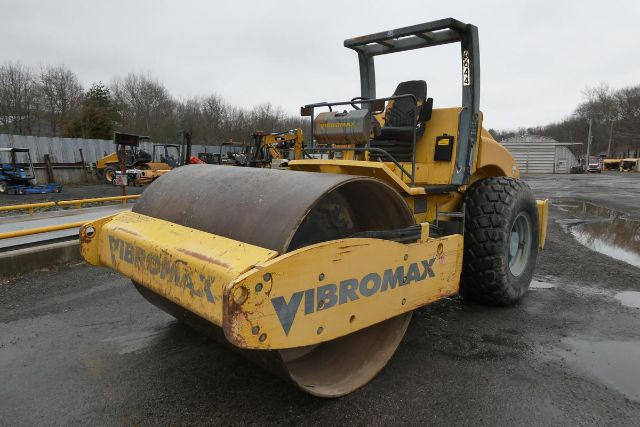
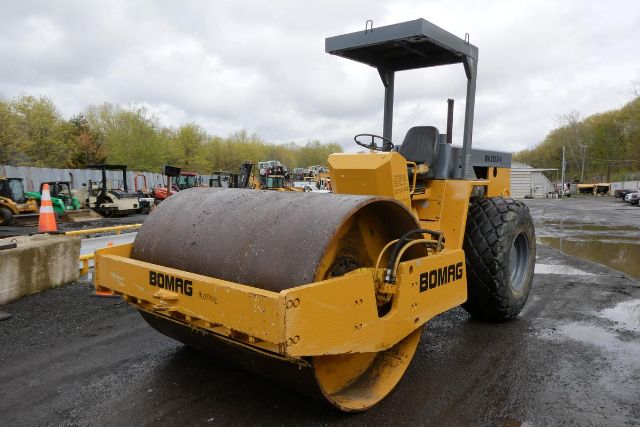
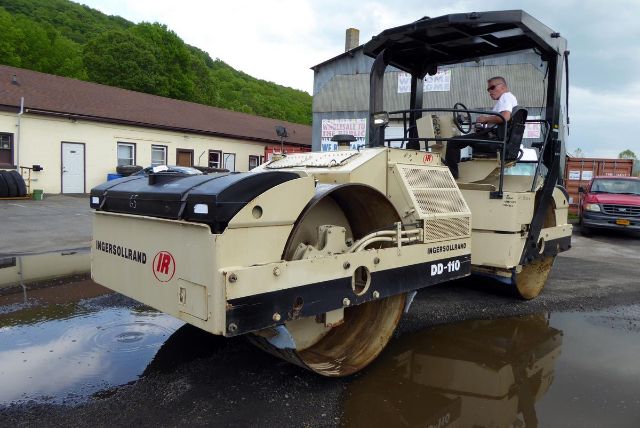
For many buyers, the key spec decision starts with drum configuration, operating weight, and vibration system performance. Machines in this class often run from roughly 20,000 to 25,000 pounds in the mid-size range, with drum widths that fit common lane, shoulder, and lot work. Hydrostatic drive is standard on many later units because it gives smoother speed control and better maneuverability during rolling patterns. On a used machine, drum condition matters as much as engine condition. Check for drum edge wear, shell damage, cracked scraper mounts, leaking drum bearings, and whether vibration works correctly in front, rear, or both drums. On single drum units, confirm amplitude settings, drum shaft condition, traction performance, and tire condition at the rear axle.
New York buyers should pay close attention to cold-weather starting, water spray system function, and corrosion around tanks, lines, and electrical components. Asphalt rollers need a reliable spray system to keep material from sticking to the drums, and neglected spray bars, pumps, or nozzles can turn into a jobsite problem quickly. Open ROPS machines are still common on the used market, but enclosed cabs may matter if the machine will be used for shoulder work, municipal maintenance, or longer shifts in variable weather. Older rollers with mechanical diesel engines can be attractive because they are simpler to service, but meter accuracy, vibration operation, and hydrostatic performance should be verified since hour readings on older units are not always dependable.
A good used paving or compaction machine should match the type of material being compacted, the lift thickness, and the space available on the job. For asphalt, buyers usually focus on drum width, water coverage, edge visibility, and smooth operation through turns and overlap passes. For soil and aggregate, compaction force, gradeability, and service access become more important. Brands like Bomag, Ingersoll-Rand, Vibromax, and Ferguson are common in older fleets, and parts support should be part of the buying decision along with overall condition. The best value is rarely the lowest purchase price. It is the machine with a sound drum, a working vibration system, predictable hydrostatics, and enough operating weight to meet compaction targets without slowing the crew down.
Frequently Asked Questions about Used Paving & Compactions in New York
What is the difference between a double drum roller and a single drum roller?
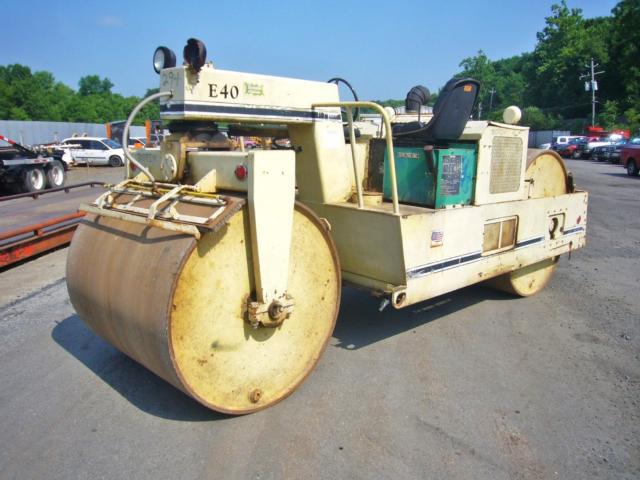
A double drum roller is usually used for asphalt compaction and finish work because it provides smooth, even contact on both axles and leaves a more uniform mat. A single drum roller is typically used for soil, stone, and base preparation because it puts more compaction force through the front drum while the rear tires provide traction. If the machine will spend most of its time on paving crews, double drum is usually the better fit. If it will be used for site prep, embankments, or sub-base work, single drum is generally the stronger choice.
What should I inspect first on used paving and compaction equipment?
Start with the vibration system, drum condition, and hydrostatic drive. A roller can run and move but still need expensive drum or exciter repairs. Check whether vibration engages properly, whether amplitude settings work, and whether the drum has shell damage, weld repairs, bearing noise, or shaft issues. After that, inspect water spray components, steering articulation, engine cold-start behavior, hydraulic leaks, and hour meter credibility. On older machines, service records and actual operating condition matter more than the meter alone.
How much operating weight is typical for a used vibratory roller?
Mid-size used vibratory rollers commonly fall in the 20,000 to 25,000 pound range, although lighter and heavier units are widely available. Operating weight affects compaction force, transport planning, and where the machine can be used efficiently. Heavier machines generally suit deeper lifts and larger production work, while narrower and lighter rollers can be easier to move between municipal patching, parking lot, and shoulder jobs. Weight should be considered together with drum width, centrifugal force, and vibration settings rather than as a standalone number.
Are older mechanical diesel rollers a good buy?
They can be, especially for buyers who want simpler engines and easier field service. Many older rollers use proven mechanical diesel engines and straightforward hydrostatic systems that are familiar to independent shops and fleet mechanics. The tradeoff is that age-related issues can show up in drums, hydraulic systems, electrical wiring, spray systems, and articulation components. A mechanically simple machine is still only a good buy if the compaction system works correctly and the structure is sound.
Why is the water spray system important on an asphalt roller?
The water spray system keeps hot mix asphalt from sticking to the drums, which protects mat quality and helps the operator maintain a consistent rolling pattern. Poor spray coverage can cause pickup on the drum, surface marking, and cleanup delays. On a used asphalt roller, inspect the tank, pump, filters, spray bars, nozzles, and lines for clogging, leaks, and corrosion. A machine with a strong drum and engine but a neglected spray system can still create costly paving problems.